




Custom grip molding for hand shape Trekking Poles?
For anyone who spends hours on the trail with trekking poles, comfort is paramount. Standard grips are designed to fit an average hand, but no two hands are exactly alike. Whether you have wide palms, long fingers, arthritis, or previous hand injuries, a one‑size‑fits‑all grip can lead to blisters, fatigue, and even long‑term strain. Enter custom grip molding – a process that shapes the pole’s handle to the unique contours of your hand. This article explores the technology, which brands offer it, DIY alternatives, and whether custom molding is worth the investment.
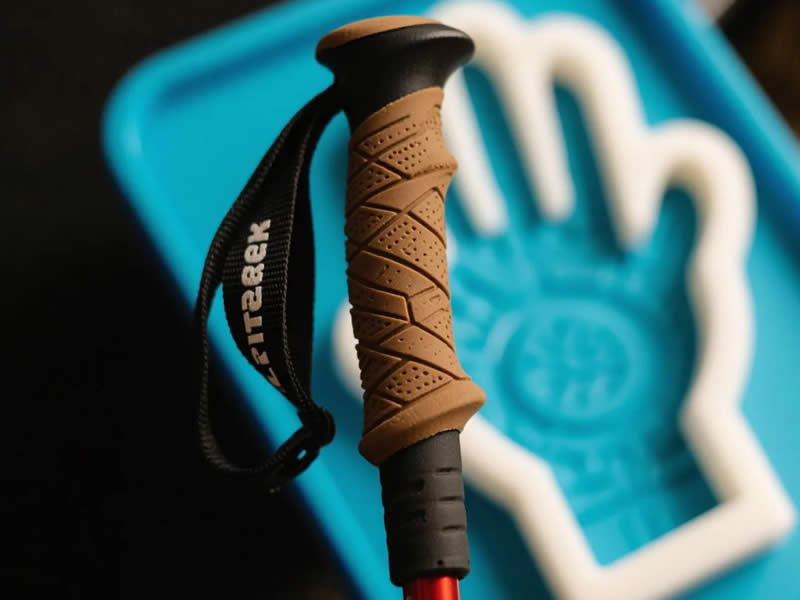
Recommended trekking pole purchase link: https://s.click.aliexpress.com/e/_c4M7OWaN
Why Custom Molds Matter
Your hand is a complex structure of bones, tendons, and muscles. When a grip doesn’t match your hand’s natural shape, you subconsciously grip tighter to maintain control, leading to:
- Premature fatigue – Extra muscle tension tires your forearm and shoulder.
- Hot spots and blisters – Pressure points from ill‑fitting contours.
- Reduced blood flow – Over‑gripping compresses vessels, causing cold fingers.
- Joint pain – Especially in the thumb, index finger, and wrist for those with arthritis or carpal tunnel.
A custom‑molded grip distributes pressure evenly across your palm and fingers, allowing a relaxed, natural hold. This translates to longer, more comfortable treks and reduced injury risk.
How Custom Molding Works
Most custom molding systems use thermoplastic materials – polymers that become pliable when heated and harden as they cool. The process typically involves:
- Heating – The grip (or a moldable insert) is heated in an oven or using a heat gun to around 60–80°C (140–176°F).
- Shaping – You grasp the grip with your normal trekking pole hold, applying light pressure. The material conforms to your hand’s unique shape.
- Cooling – You hold the grip still for 2–5 minutes while it cools and sets. Some systems use a quick‑cool spray.
- Final fit – The result is a grip that perfectly matches your palm, finger positions, and thumb rest.
The process is reversible? Usually not – once molded, the shape is permanent unless reheated (which may degrade the material over time). Some advanced materials allow remolding a limited number of times.
Brands Offering Custom‑Moldable Grips
Leki – Custom Fit System
Leki, a leader in trekking poles, offers the Custom Fit grip on select models (e.g., the Makalu and Sherpa series). The grip is made from a thermoplastic elastomer that softens in hot water (not an oven). You heat the grip in boiling water for 2–3 minutes, then grip it with your preferred hold and wear thin gloves to protect from heat. After 3–5 minutes of firm, static grip, the material hardens into a personalized shape. Leki claims the grip retains its form for years.
Komperdell – Thermo‑Shape Grips
Komperdell provides Thermo‑Shape grips on some Nordic walking and trekking poles. Similar process: heat in hot water (80°C), grasp, and cool. Available on higher‑end models like the Expedition Carbon.
Pacerpole – Ergonomic Fixed Shape
Pacerpole takes a different approach: their grips are not moldable but are ergonomically designed to encourage a neutral wrist position. While not custom‑molded per se, their unique angled grip reduces wrist strain and may suit many users without the need for molding.
DIY / Aftermarket Options
If your current poles have standard grips, you can add a moldable grip cover. Products like Sugru (a moldable silicone that cures at room temperature) or HeatShrink tubing with moldable inner layer allow you to build up areas and create finger grooves. Alternatively, wrap the grip with cork tape or bicycle handlebar gel tape, shaping it as you wrap. These DIY solutions are cheaper but less durable than factory molded systems.
Benefits of Custom Molded Grips
- Ergonomic perfection – The grip matches your hand, not an average.
- Reduced fatigue – Relaxed grip muscles last longer on the trail.
- Better control – Your hand naturally locks into the shape, improving pole plant accuracy.
- Pain relief – For arthritis or hand injuries, custom contours reduce pressure on sensitive joints.
- Prevents blisters – Even pressure distribution eliminates rubbing.
Drawbacks and Considerations
- Cost – Custom‑moldable poles are typically 20–50% more expensive than standard versions (e.g., Leki Custom Fit adds $30–50).
- One‑time molding – Most materials cannot be remolded repeatedly. If your hand shape changes (due to swelling, weight loss, or injury), you may need new grips.
- Learning curve – The heating and molding process requires care; overheating can damage the grip.
- Not for sharing – A custom‑molded grip is uncomfortable for anyone else to use.
- Limited models – Not every pole series offers custom molding; you may have to compromise on shaft material or weight.
Who Benefits Most?
- Daily trekkers – If you use poles every day for fitness or work, custom grips reduce cumulative strain.
- Arthritis sufferers – The even pressure distribution can make walking less painful.
- People with hand deformities – Congenital differences or post‑injury changes benefit greatly.
- Professional guides – Comfort over long days increases performance.
- Anyone who experiences persistent hand pain – Even mild discomfort is worth addressing.
DIY Custom Molding: Step‑by‑Step (Using Sugru)
- Clean the original grip thoroughly with alcohol.
- Knead a packet of Sugru until color is uniform.
- Apply Sugru to areas where you want additional contouring (e.g., finger grooves, thumb rest).
- Grasp the pole with your normal grip, applying light pressure. Hold for 10 minutes while Sugru cures enough to hold shape.
- Leave for 24 hours to fully cure.
- Test – Add more Sugru if needed.
Sugru remains slightly flexible and provides good grip even when wet. It lasts 1–2 years with regular use.
Caring for Molded Grips
- Clean with mild soap and water – Avoid alcohol or solvents that can degrade the material.
- Store away from direct heat – Car dashboards or hot attics can soften the grip.
- Inspect for wear – Over years, the material may harden or crack; consider remolding or replacing.
Are They Worth It?
If you experience hand discomfort or use poles extensively, custom‑molded grips are a worthwhile investment. The added cost is small compared to the long‑term benefits of comfort and injury prevention. For casual users who hike occasionally with standard grips, the benefit is less pronounced. However, even a DIY approach with Sugru or cork tape can improve fit at low cost.
Final Thoughts
Custom grip molding for trekking poles is a niche but valuable feature for those who take their hand comfort seriously. Brands like Leki and Komperdell have made the process accessible, and DIY options exist for the budget‑conscious. By tailoring the grip to your unique hand shape, you reduce fatigue, improve control, and make every trek more enjoyable. If you’ve ever finished a hike with sore palms or aching fingers, it’s time to consider going custom. Your hands will thank you.




