




Trekking poles and arthritis management?
Arthritis affects millions of people worldwide, causing joint pain, stiffness, and reduced mobility that can make activities like hiking seem challenging. However, trekking poles have emerged as valuable tools for arthritis management, allowing individuals to maintain active lifestyles while minimizing joint stress. When used correctly, these simple devices can significantly reduce pain and improve stability for arthritis sufferers across various terrains and conditions.
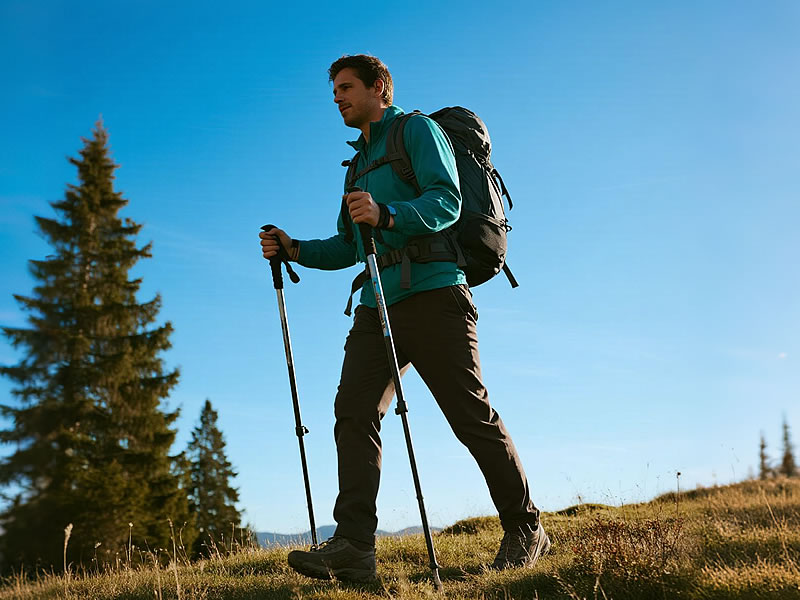
Recommended trekking pole purchase link: https://s.click.aliexpress.com/e/_c4M7OWaN
How Trekking Poles Benefit Arthritis Sufferers
Trekking poles provide multiple advantages for managing arthritis symptoms during physical activity. The primary benefit comes from weight distribution—by transferring some of your body weight to your upper body, poles reduce the load on arthritic hips, knees, and ankles. Research indicates that using trekking poles can reduce forces on lower body joints by up to 25% during level walking and significantly more during descents.
For those with upper body arthritis, modern trekking pole designs offer features that minimize stress on hands, wrists, and shoulders. The rhythmic use of poles also promotes better circulation and joint mobility through gentle, controlled movement patterns. Additionally, the improved stability provided by poles reduces the fear of falling, which is particularly important for those with balance issues related to arthritis or medication side effects.
Selecting Arthritis-Friendly Trekking Poles
Choosing the right poles is crucial for maximizing benefits while avoiding additional joint stress:
Shock Absorption Systems
Poles with built-in shock absorbers are particularly valuable for arthritis management. These systems cushion the impact of each step before it travels up through the arms to the shoulders and neck. Look for adjustable shock absorption that allows customization based on terrain and symptom severity.
Ergonomic Grips
Proper grip design is essential for those with hand arthritis. Contoured grips that distribute pressure evenly across the palm reduce stress on finger joints. Cork grips are often ideal as they mold to the user's hand shape over time, while extended foam grips provide multiple comfortable hand positions.
Lightweight Construction
Heavy poles increase fatigue in arthritic joints. Carbon fiber models typically offer the best weight savings, though high-quality aluminum poles can also provide excellent performance. Consider the trade-off between weight and durability based on your typical usage.
Adjustable Length Mechanisms
Easy-to-operate locking systems are essential for those with hand strength limitations. External lever locks are generally easier to manipulate than twist locks for arthritis sufferers. Ensure the mechanism can be adjusted without excessive force.
Proper Technique for Joint Protection
Correct usage is vital for maximizing benefits while preventing additional strain:
Weight Distribution Through Straps
Learn to use wrist straps correctly to transfer weight without tight gripping. Thread your hand upward through the strap, then let the strap support your weight as you push down. This technique reduces the grip strength needed, protecting finger joints.
Rhythmic Planting Motion
Develop a smooth, flowing motion rather than stabbing the ground abruptly. This reduces jarring impacts that can aggravate arthritic joints. The pole should contact the ground as your opposite foot steps forward.
Appropriate Pole Length
Adjust poles so your elbows form approximately a 90-degree angle when the tips touch the ground. Shorter poles may be preferable for uphill sections, while longer poles provide better support on descents.
Regular Position Changes
Vary your grip position and hand technique periodically to prevent stiffness and distribute pressure differently across joints.
Complementary Strategies for Hiking with Arthritis
Trekking poles work best as part of a comprehensive arthritis management approach:
Warm-Up and Cool-Down Routines
Gentle stretching before and after hiking prepares joints for activity and reduces post-hike stiffness. Focus on full-range motions for affected joints.
Pacing and Terrain Selection
Choose trails matching your current ability level. Flat, even surfaces are generally better during flare-ups, while more varied terrain can be attempted when symptoms are well-controlled.
Medication Timing
If using anti-inflammatory medications, time doses to maximize effectiveness during your hiking activities. Consult your physician for personalized advice.
Adequate Hydration
Proper hydration helps maintain joint lubrication and overall physical function during activity.
Special Considerations for Different Arthritis Types
The benefits of trekking poles vary depending on your specific arthritis diagnosis:
Osteoarthritis
Poles are particularly effective for osteoarthritis by reducing mechanical stress on weight-bearing joints. The improved stability also helps those with joint instability due to cartilage loss.
Rheumatoid Arthritis
During flares, hiking may need to be limited, but during remission, poles can help maintain joint mobility and muscle strength without excessive strain.
Fibromyalgia
While not strictly arthritis, poles help manage the fatigue and balance issues common in fibromyalgia, allowing for longer, more comfortable activity periods.
Recommended Pole Models for Arthritis
Several trekking pole models stand out for their arthritis-friendly features:
LEKI Micro Vario Carbon
These poles combine lightweight carbon construction with an adjustable shock absorption system. The ergonomic grip design reduces hand strain, and the external SpeedLock adjustment is easy to operate.
Black Diamond Trail Pro Shock
Featuring 100mm of suspension travel and comfortable cork grips, these poles offer excellent impact reduction. The FlickLock Pro adjustment system provides secure, easy length changes.
Komperdell C3 Cloud
With their integrated anti-shock system and comfortable Cloud grips, these poles provide joint-friendly performance at a moderate price point.
Cascade Mountain Tech Carbon Fiber
For budget-conscious hikers, these poles offer carbon construction with natural vibration damping and cork grips that mold to hand shape over time.
When to Exercise Caution
While generally beneficial, there are situations where trekking poles might require modification or avoidance:
Acute Joint Inflammation
During significant flare-ups, even the minimal stress of pole use might be counterproductive. Listen to your body and rest when needed.
Severe Hand Deformities
Those with advanced hand deformities may need custom grip modifications or alternative support systems.
Recent Joint Replacement
Follow your surgeon's specific recommendations regarding weight-bearing through the upper extremities after joint replacement surgery.
Conclusion
Trekking poles represent a valuable tool for arthritis management, enabling continued participation in hiking and walking activities with reduced pain and improved stability. By selecting appropriate equipment, mastering proper technique, and integrating pole use into a comprehensive arthritis management plan, individuals with joint conditions can maintain active lifestyles while minimizing symptom exacerbation. Remember that arthritis affects everyone differently, so personal experimentation and consultation with healthcare providers will help determine the optimal approach for your specific situation. With the right strategy, the trails can remain accessible and enjoyable despite arthritis challenges.




