




Are There Universal Adapters to Use Hiking Poles as a Tarp Pole?
The desire to use trekking poles as the primary support for a trekking pole tent or a minimalist tarp is a cornerstone of ultralight backpacking philosophy. It eliminates the need to carry dedicated tent poles, saving significant weight and bulk. While some shelters are designed to work directly with inverted trekking poles, many require a specific connection point. The answer is a definitive yes, there are several universal and semi-universal adapters that bridge this gap, turning your hiking poles into reliable tarp poles.
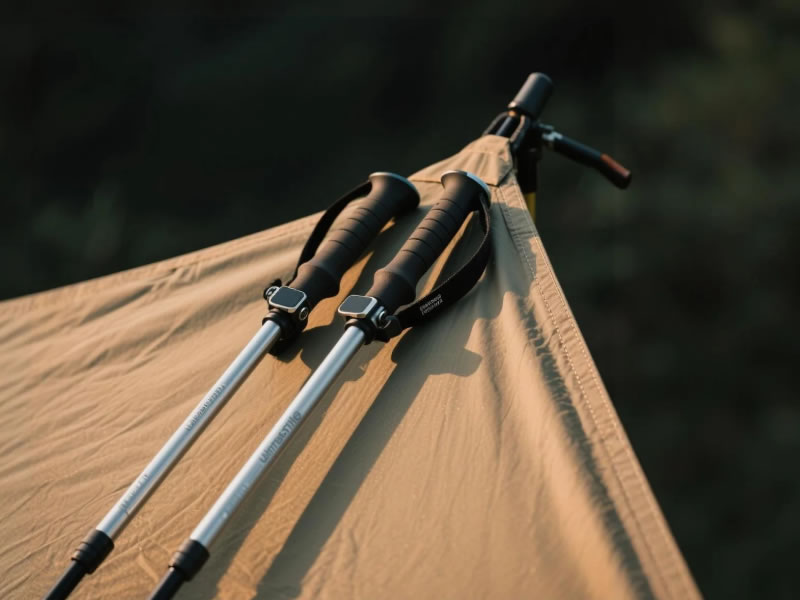
Recommended trekking pole purchase link: https://s.click.aliexpress.com/e/_c4M7OWaN
The Core Challenge: Connecting a Round Pole to a Shelter Grommet
The issue is simple: the sharp, pointed tip of a trekking pole is designed for the ground, not for fitting securely into a tent's webbing loop, grommet, or pole sleeve. An adapter's job is to provide a stable, broad, and often concave interface that won't slip or puncture your shelter fabric.
Types of Universal Adapters
1. The Dedicated Pole Tip Adapter (Most Common & Reliable)
This is a small, purpose-made accessory, often sold by ultralight gear manufacturers.
- How it works: It's a cylindrical or conical piece, typically aluminum or durable plastic, with a female thread on one end (to screw onto your pole's tip socket) and a domed or concave tip on the other. Some have a small nipple or broad cup to locate securely into a tent's grommet.
- Examples: Brands like Ruta Locura, Zpacks, Gossamer Gear, and AntiGravityGear sell variations. The Ruta Locura "Carbon Fiber Tent Pole Tip" is a popular, ultralight example.
- Compatibility: Truly universal for poles with removable tips that reveal a standard M6 or M8 threaded insert. Most aluminum and carbon poles from major brands have this.
2. The Multi-Function Accessory
Some adapters serve dual purposes.
- The "Pole Jacket" or "Cup": A simple, often silicone or plastic cup that slips over the tip of your pole, creating a broad, non-slip surface. Less secure than threaded options but very simple.
- Camera Mount Combos: Some camera mount clamps have a flat base that can function as a makeshift, if not ideal, tent pole foot.
3. Brand-Specific System Adapters
Companies like LEKI and Black Diamond sometimes make accessories for their own pole systems that can serve this purpose, though they are less "universal."
Key Factors to Consider When Choosing an Adapter
- Thread Compatibility (Critical): Before purchasing, remove your trekking pole's metal tip and determine the thread size inside the shaft. M6 x 1.0mm is the most common. M8 is also used. An incorrect thread will not work.
- Weight & Material: Adapters range from 3-20 grams each. Aluminum is durable, while carbon fiber is the lightest. Plastic is affordable but may wear faster.
- Tent/Tarp Interface: Know how your shelter connects. Does it have a grommet, a webbing loop, or a pole sleeve? A pointed adapter works in a grommet; a broader, cupped design is better for loops or sleeves.
- Stability in Wind: The best adapters have a slightly concave or textured end to "grab" the shelter's connection point, preventing the pole from sliding out in a gust.
Practical DIY Alternatives (With Caution)
While not as robust as manufactured adapters, field expedient solutions exist:
- A Rubber Trekking Tip: The standard rubber foot used for pavement can provide enough grip in a webbing loop, though it's not highly secure.
- The "Hockey Puck" Mod: A small section of a bicycle handlebar grip or a slice of a PVC pipe cap can be drilled and glued to a bolt that screws into the pole tip.
- The "Crown Race": Cyclists might recognize a bicycle fork crown race as a nearly perfect, concave adapter that can be epoxied to a bolt.
Warning: DIY solutions must be tested rigorously for strength and slippage before trusting them in rain or wind.
How to Use Them: Best Practices for a Stable Setup
- Set Pole Length First: Adjust your trekking poles to the exact height specified by your tarp/tent design before attaching the adapter and raising the shelter.
- Screw On Tightly: Hand-tighten the adapter firmly onto the pole's thread. A small piece of Teflon tape can prevent it from loosening.
- Position Carefully: Place the adapter into the shelter's grommet or loop. For A-frame tarps, angle the poles along the line of the ridgeline for natural stability.
- Guy Out for Wind: Never rely solely on the poles. Always use all available guylines to anchor the shelter to the ground, transferring wind load from the poles to the stakes.
- Practice at Home: Pitch your shelter in your backyard or living room first. This reveals any compatibility issues and builds muscle memory.
The Verdict: A Small, Worthwhile Investment
Universal trekking pole adapters are a brilliant piece of minimalist gear synergy. For a weight penalty of just 5-20 grams, they unlock the full potential of your trekking poles and allow you to leave heavy tent poles behind.
Final Recommendation: For most hikers using mainstream trekking poles, a simple, threaded aluminum pole tip adapter from an ultralight manufacturer is the best choice. It offers the perfect balance of low weight, high reliability, and universal compatibility.
By using these adapters, you complete the ultralight puzzle: your trekking poles become your shelter's skeleton, embodying the principle of multi-use gear and allowing you to move through the backcountry with less weight and greater freedom.




