




Trekking poles for weight distribution with joint issues?
Trekking poles have become essential tools for hikers dealing with joint issues, offering a simple yet effective way to redistribute weight and reduce impact on vulnerable joints. For individuals with knee osteoarthritis, hip problems, or other joint conditions, proper weight distribution can mean the difference between an enjoyable hike and a painful experience that exacerbates existing issues. Understanding how trekking poles function as weight-distribution devices can help hikers with joint problems continue to enjoy outdoor activities while minimizing discomfort and potential damage to their joints.
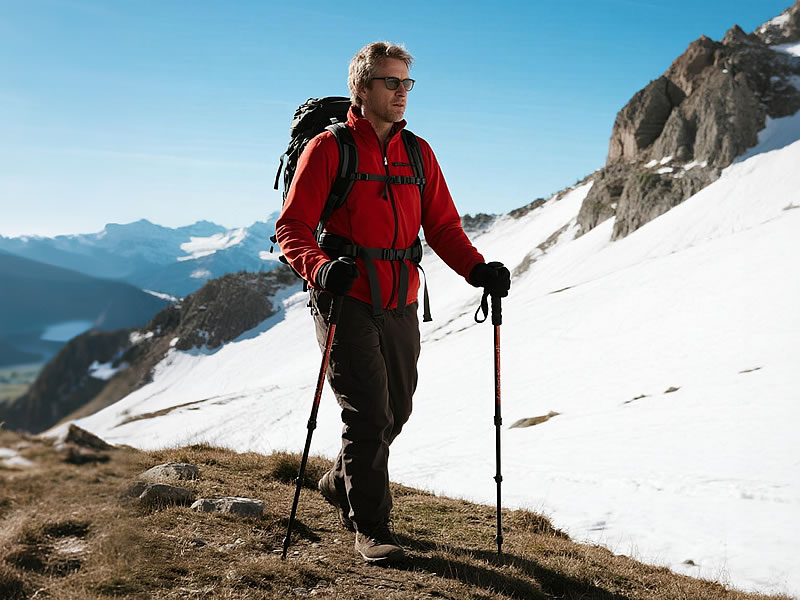
Recommended trekking pole purchase link: https://s.click.aliexpress.com/e/_c4M7OWaN
The Biomechanics of Weight Distribution
Trekking poles work by transferring a significant portion of your body weight from your lower body to your upper body. Research indicates that using trekking poles can reduce forces on the knees by up to 25% during level walking and significantly more during descents. This redistribution occurs through the pushing motion involved in pole planting, which engages the muscles of the arms, shoulders, and back to share the workload that would otherwise be borne entirely by the legs and joints.
The benefits extend beyond simple weight transfer. By providing two additional points of contact with the ground, poles improve stability and reduce the sudden, jarring impacts that often aggravate joint issues. This is particularly valuable on uneven terrain where unexpected movements can place sudden stress on compromised joints. The rhythmic use of poles also promotes a more consistent gait pattern, reducing the uneven loading that can occur when favoring sore joints.
Key Features for Optimal Weight Distribution
When selecting trekking poles specifically for weight distribution in the context of joint issues, certain features deserve special attention:
Shock Absorption Systems
Poles with built-in shock absorbers provide an additional layer of protection for joints. These systems, often featuring internal springs or elastomers, cushion the impact of each step before it travels up through the arms to the shoulders and beyond. For hikers with joint issues in both upper and lower body, this feature can be particularly valuable.
Adjustable Length Mechanisms
Precise length adjustment is crucial for effective weight distribution. Poles that are too long or too short can force the body into positions that actually increase joint stress rather than reducing it. Look for poles with easy-to-operate locking mechanisms that allow for fine-tuning based on terrain.
Ergonomic Grips
Since weight distribution requires transferring force through the hands and arms, comfortable grips are essential. Contoured grips that distribute pressure evenly across the palm can prevent hand fatigue and joint stress, making it easier to maintain proper technique throughout a hike.
Proper Technique for Maximum Benefit
Using trekking poles effectively requires more than simply carrying them. Proper technique is essential for maximizing their weight-distribution benefits:
Uphill Technique
On ascents, shorten your poles slightly and focus on pushing down with each step. This engages the upper body to literally help lift your body weight, reducing the workload on knee and hip joints. The pushing motion should originate from the shoulder rather than just the wrist to distribute the effort across larger muscle groups.
Downhill Technique
Lengthen poles for descents, where joints typically experience the greatest forces. Plant the poles slightly ahead and allow them to bear a portion of your weight as you step down. This technique can reduce impact forces on knees by up to 30%, making it particularly valuable for those with osteoarthritis or previous joint injuries.
Rhythmic Planting
Develop a natural rhythm where poles contact the ground as the opposite foot steps forward. This creates a continuous transfer of weight that smooths out the gait and prevents sudden loading of joints.
Complementary Strategies for Joint Protection
Trekking poles work best as part of a comprehensive approach to managing joint issues:
Strength Training
Building strength in the muscles surrounding affected joints provides natural support and stabilization. Focus on exercises that target the quadriceps, hamstrings, glutes, and core muscles without placing excessive stress on the joints themselves.
Proper Footwear
Supportive footwear with adequate cushioning works synergistically with trekking poles to reduce joint impact. Consider shoes with rocker soles or additional heel cushioning for enhanced shock absorption.
Weight Management
Maintaining a healthy body weight reduces the baseline load on weight-bearing joints, making the relative benefit of weight distribution through poles even more significant.
Pacing and Terrain Selection
Listen to your body and choose trails that match your current ability level. Gradually increase difficulty as your strength and confidence improve.
Evidence-Based Benefits for Specific Conditions
Research supports the use of trekking poles for various joint-related conditions:
Knee Osteoarthritis
Studies have shown significant reductions in pain and improvements in function among individuals with knee osteoarthritis who use trekking poles regularly. The weight redistribution appears to slow disease progression by reducing repetitive stress on affected joints.
Hip Replacements
For individuals who have undergone hip replacement surgery, trekking poles provide stability during the recovery period and continue to offer benefits by reducing stress on the prosthetic joint during activity.
Rheumatoid Arthritis
The inflammatory nature of rheumatoid arthritis makes impact reduction particularly important. Trekking poles allow individuals with RA to maintain physical activity levels without exacerbating joint inflammation.
Potential Limitations and Considerations
While trekking poles offer significant benefits for weight distribution, they're not a complete solution for joint issues:
Upper Body Limitations
Individuals with shoulder, elbow, or wrist problems may find that using poles transfers stress to already compromised joints. In such cases, technique modifications or alternative supports may be necessary.
Learning Curve
Proper technique requires practice. Initially, some users may experience muscle soreness in the upper body as new muscle groups are recruited.
Terrain Limitations
On extremely technical terrain requiring the use of hands for climbing, poles may need to be stowed, temporarily eliminating their weight-distribution benefits.
Conclusion
Trekking poles represent a simple yet powerful tool for managing joint issues during hiking activities. By effectively redistributing weight from the lower to upper body, they reduce impact forces on vulnerable joints while improving stability and confidence on the trail. When combined with proper technique, appropriate equipment selection, and complementary joint protection strategies, trekking poles can enable individuals with joint issues to maintain active lifestyles with reduced pain and minimized risk of further joint damage. As with any activity modification for health conditions, it's advisable to consult with a healthcare provider or physical therapist to ensure trekking poles are appropriate for your specific situation and to receive personalized guidance on their use.




