




Trekking poles that fit in carry-on bags
For avid hikers and adventure travelers, the dream of exploring remote trails often starts with a flight—and a major headache: how to bring trekking poles without checking a bag. Checked luggage means extra fees (averaging 30–50 per bag on major airlines), the risk of lost or damaged gear, and the hassle of waiting at baggage claim after a long journey. But here’s the good news: carry-on-friendly trekking poles exist, and they’re changing the game for travelers who refuse to sacrifice stability on the trail for convenience at the airport.
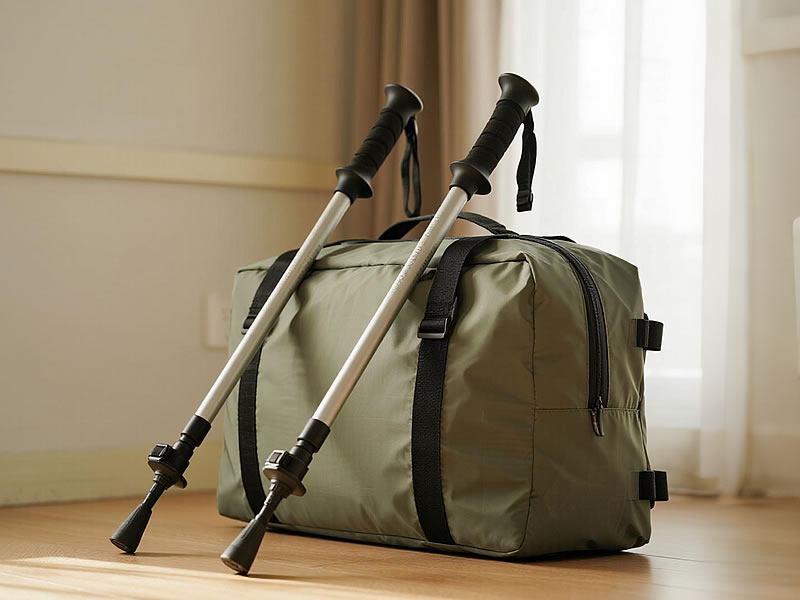
Recommended trekking pole purchase link: https://s.click.aliexpress.com/e/_c4M7OWaN
First, let’s tackle the key question: What makes a trekking pole “carry-on compatible”? Airlines typically enforce carry-on size limits of 22 x 14 x 9 inches (56 x 36 x 23 cm) for standard bags, though some budget carriers have stricter rules. For trekking poles to fit, they need to collapse to a length that fits inside these dimensions—usually 16–28 inches (40–71 cm) when fully folded. This rules out traditional fixed-length poles, but it opens the door to innovative collapsible designs.
The best carry-on trekking poles prioritize three things: compactness, durability, and weight. Let’s break down each factor. Compactness is non-negotiable—look for poles that fold into 3–4 sections, with locking mechanisms that keep them secure when extended but easy to disassemble for packing. Many top models, like the Black Diamond Distance Carbon Z, shrink to just 16 inches, small enough to fit in a backpack or under-seat carry-on. Durability matters too: hiking poles take a beating on rocky trails, so opt for materials like carbon fiber (lightweight and strong) or 7075 aluminum (affordable and rugged). Avoid cheap plastic parts—they’re prone to breaking mid-hike. Weight is the final piece: carry-on gear adds up, so aim for poles that weigh 10–14 ounces (280–400 grams) per pair. Carbon fiber poles are the lightest, making them ideal for long hikes or travelers who want to save space.
Now, let’s dive into the top picks for carry-on trekking poles, tailored to different budgets and needs. For premium users, the Leki Micro Vario Carbon is a standout. It folds to 21 inches, weighs just 11 ounces per pair, and features Leki’s trusted Speed Lock 2 system for quick adjustments. The carbon fiber shaft absorbs shock, reducing strain on knees and wrists—perfect for tough trails like the Inca Trail or Alpine hikes. For budget-conscious travelers, the Cascade Mountain Tech Collapsible Trekking Poles offer unbeatable value. Made of 7075 aluminum, they fold to 24 inches, weigh 14 ounces per pair, and come with interchangeable tips for different terrains (rubber for city walks, carbide for rocky trails). They’re also adjustable from 24 to 54 inches, making them suitable for hikers of all heights.
If you’re a minimalist traveler who hates carrying extra gear, consider hybrid trekking poles that double as other tools. The Black Diamond Alpine Carbon Cork Trekking Poles, for example, have a cork grip that molds to your hand for comfort, and they can be converted into a tent pole in a pinch—great for backpackers who want to cut down on gear. Another option is the MSR DynaLock Ascent, which has a telescoping design (no folding required) but still collapses to 28 inches, fitting in most carry-ons. It’s built for steep, technical terrain, with a locking system that holds up under heavy pressure.
When shopping for carry-on trekking poles, don’t forget to check the fine print. Some airlines have specific rules about “prohibited items”—while trekking poles are usually allowed in carry-ons, a few carriers may require them to be packed in a hard case to prevent injury. To avoid issues, look for poles that come with a durable travel bag (many top brands include one) or wrap them in a towel to protect other gear. Also, test the locking mechanism before buying: a loose lock can cause the pole to collapse unexpectedly, which is dangerous on a trail.
Once you’ve found the perfect poles, it’s time to master packing them. The easiest way is to place them vertically in the side pocket of your carry-on backpack—most backpacks have a dedicated slot for poles. If you’re using a rolling carry-on, lay them flat at the bottom, under your clothes, to prevent them from shifting during the flight. For under-seat bags, fold the poles into their smallest size and tuck them between your shoes or toiletries—just make sure they don’t exceed the bag’s height limit.
Finally, let’s address a common myth: carry-on trekking poles are “less sturdy” than traditional poles. This couldn’t be further from the truth. Modern collapsible designs use advanced engineering to match the strength of fixed-length poles. For example, the Black Diamond Distance Carbon Z has a load capacity of 150 pounds per pole, enough to support most hikers on even the steepest trails. The key is to choose a reputable brand with positive reviews—avoid no-name poles from discount sites, as they often cut corners on materials.
In conclusion, carry-on-friendly trekking poles are a game-changer for travel-loving hikers. They eliminate the stress of checked luggage, save money on fees, and let you hit the trail as soon as you land. By prioritizing compactness, durability, and weight, and choosing a model that fits your budget and needs, you can enjoy stable, comfortable hikes anywhere in the world—without sacrificing convenience. Whether you’re trekking through Patagonia or exploring a local state park, the right carry-on trekking poles will become your most trusted travel companion.




