




What are heavy duty carabiners used for?
Heavy duty carabiners are fundamental safety tools that serve as critical connection points across numerous industries and activities where human life or valuable equipment depends on their strength and reliability. These specialized connectors are engineered to withstand extreme forces that would cause ordinary carabiners to fail, making them indispensable in situations where safety is paramount. Understanding their diverse applications reveals why proper selection, use, and maintenance of heavy duty carabiners is essential for professionals and enthusiasts alike.
Buy Link: https://www.aliexpress.com/item/1005009247748751.html
Rock and Alpine Climbing Applications
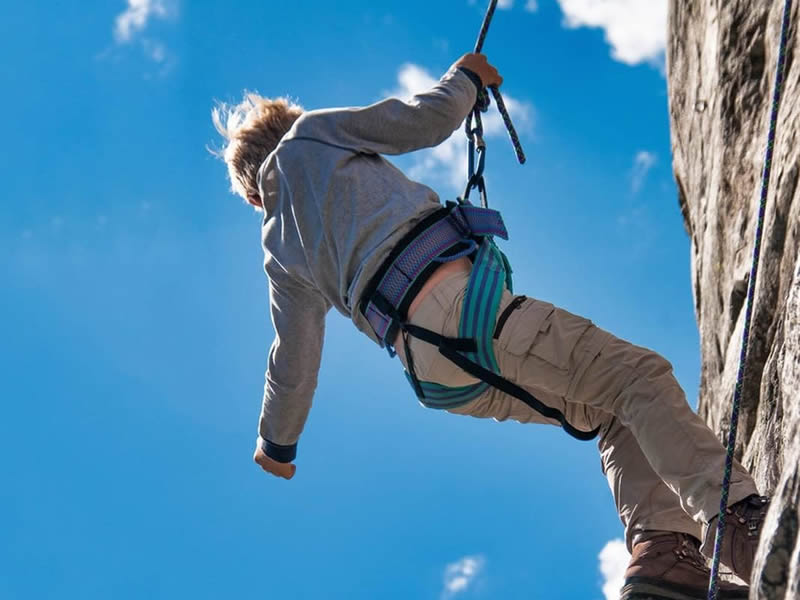
In climbing environments, heavy duty carabiners form the crucial link between a climber's safety system and their protection points. Their primary function involves connecting climbing ropes to various forms of protection including bolts, cams, nuts, and other anchor points. Locking carabiners, particularly screw-gate and auto-locking varieties, are essential for securing belay devices and creating bombproof anchors at the top of pitches. The asymmetric-D shape commonly found in climbing carabiners provides optimal strength-to-weight ratio while maintaining a wide gate opening for easy rope placement. Climbers regularly subject these carabiners to dynamic forces during falls, making their strength ratings and gate reliability matters of life and death.
Rescue and Emergency Services
Search and rescue teams, fire departments, and technical rescue units rely heavily on carabiners for complex rope systems. In high-angle rescue scenarios, carabiners connect haul systems, lowerers, and patient litters to main lines. They're integral to creating mechanical advantage systems for raising heavy loads and constructing anchor systems for multiple rescuers. The auto-locking feature of many rescue-grade carabiners provides an additional safety margin when operators are wearing gloves or working in low-visibility conditions. Urban search and rescue teams particularly value corrosion-resistant steel carabiners when working in chemically contaminated environments where equipment integrity cannot be compromised.
Industrial and Construction Safety
In industrial settings, heavy duty carabiners serve as crucial components of fall protection systems. Construction workers on high-rise projects use them to connect their safety harnesses to secure anchor points via lanyards and lifelines. Window cleaners on skyscrapers depend on carabiner-secured descent systems, while telecommunications tower workers use them to anchor themselves during equipment installation and maintenance. The industrial preference often leans toward steel carabiners due to their superior resistance to abrasion from concrete, steel beams, and other harsh surfaces encountered on job sites. These applications typically involve prolonged static loading rather than the dynamic forces seen in climbing, but require equal reliability.
Arboriculture and Tree Work
Professional arborists use heavy duty carabiners as central components of their climbing systems. These connectors join climbing lines to harnesses, facilitate rope advancement techniques, and secure workers during chainsaw operations aloft. The carabiners used in tree work often feature larger dimensions to accommodate thick arborist ropes and facilitate easy manipulation while wearing work gloves. Corrosion resistance becomes particularly important in this field due to constant exposure to sap, moisture, and organic debris that can degrade aluminum alloys over time.
Adventure Sports and Recreational Activities
Beyond professional applications, heavy duty carabiners enable various adventure sports. Via ferrata routes feature fixed cables where climbers use specially designed energy-absorbing lanyards terminated with heavy duty carabiners. Zipline courses depend on them to connect participants' harnesses to trolley systems. Challenge courses and aerial adventure parks use networks of carabiners to secure participants as they navigate elevated elements. Even in recreational caving, carabiners provide secure connections in vertical sections where ropes or ladders are necessary for progression.
Military and Tactical Applications
Special operations forces and tactical teams employ heavy duty carabiners for fast-rope insertions, rappelling operations, and other vertical insertion/extraction techniques. Military-grade carabiners often feature subdued colors to reduce visibility in tactical situations and may include modifications for specific mission requirements. Their reliability is essential in high-stakes environments where equipment failure could compromise mission success and operator safety.
Rigging and Staging Industries
In entertainment and staging industries, carabiners provide secure connections for rigging lighting, sound equipment, and scenic elements above stages and performance areas. While these applications typically don't involve life safety (secondary safety cables are usually required), the consequences of equipment failure justify using heavy duty connectors. Touring productions particularly value lightweight aluminum carabiners that reduce overall rigging weight without compromising strength.
Safety Considerations Across Applications
Regardless of the specific use, several universal safety principles apply to heavy duty carabiner usage:
Proper Orientation: Always load carabiners along their major axis (long dimension) with the gate opposite the direction of pull. Transverse loading can reduce strength by up to 70%.
Regular Inspection: Examine carabiners before each use for cracks, sharp edges, groove wear, gate malfunction, and corrosion. Retire any carabiner showing signs of damage or excessive wear.
Appropriate Selection: Match the carabiner to its specific task. Use locking carabiners for critical connections where accidental opening could have severe consequences.
Environmental Considerations: Understand how temperature extremes, chemical exposure, and UV degradation might affect your carabiners over time.
Compatibility: Ensure carabiners work properly with other components in your system, avoiding configurations that might cause cross-loading or gate interference.
Certification and Standards
Heavy duty carabiners manufactured for life-critical applications typically carry certifications from recognized standards organizations. UIAA (International Climbing and Mountaineering Federation) certification is the global benchmark for climbing equipment, while CE marking indicates conformity with European health and safety standards. In North America, NFPA (National Fire Protection Association) standards govern carabiners used in rescue applications. These certifications ensure that carabiners have undergone rigorous testing for strength, gate function, and durability.
Conclusion
Heavy duty carabiners serve as the unsung heroes of safety systems across countless activities and professions. From the dramatic heights of big wall climbing to the methodical precision of industrial work, these seemingly simple devices perform the vital function of keeping people secure in challenging environments. Their versatility belies their engineering sophistication, with each design element serving specific purposes that contribute to overall reliability. Understanding their proper applications, limitations, and maintenance requirements is essential for anyone whose safety depends on their performance. Whether you're a weekend climber or a professional rescuer, respecting the capabilities and proper usage of heavy duty carabiners ensures they will perform as intended when it matters most.




