




What does "heavy duty" mean for a carabiner?
The term "heavy duty" gets used frequently in outdoor equipment marketing, but when applied to carabiners, it carries specific technical meaning that directly impacts safety and performance. Understanding what distinguishes a heavy duty carabiner from standard models is essential for anyone whose safety depends on this critical piece of equipment. True heavy duty carabiners are engineered for applications where failure could result in serious injury or catastrophic consequences, featuring enhanced materials, construction methods, and performance characteristics that justify the designation.
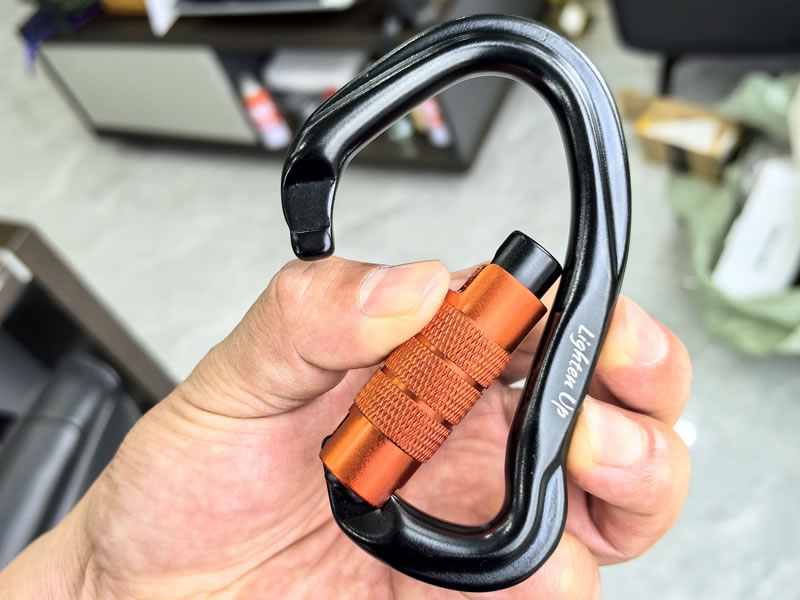
Key Attributes of Heavy Duty Carabiners
Enhanced Strength Ratings
The most definitive characteristic of heavy duty carabiners is their superior strength capacity. While a standard basic carabiner might have a major axis strength of 18-22 kN (kilonewtons), heavy duty models typically start at 25 kN and can exceed 40 kN for specialized applications. To put this in perspective, 25 kN translates to approximately 5,620 pounds of force - enough to lift a small car. These ratings represent minimum breaking strengths established under controlled laboratory conditions, with many quality heavy duty carabiners actually failing at significantly higher loads.
Superior Materials and Construction
Heavy duty carabiners utilize premium materials and manufacturing processes. Aircraft-grade aluminum alloys (typically 7075-T6) provide an excellent strength-to-weight ratio for applications where weight matters, such as climbing. For maximum durability in industrial settings, heat-treated steel offers superior abrasion resistance and longevity. The manufacturing process also differs, with heavy duty carabiners typically being forged rather than cast, resulting in better grain structure alignment and increased strength.
Advanced Locking Mechanisms
While standard carabiners may feature simple snap gates, heavy duty versions incorporate sophisticated locking systems designed to prevent accidental opening under load. These include:
- Screw-gate systems requiring manual threading
- Auto-locking mechanisms that engage automatically
- Triple-action systems requiring multiple motions to openEach design offers different balances of security, ease of use, and reliability in various conditions.
Certification and Testing Standards
Heavy duty carabiners undergo rigorous certification processes that distinguish them from recreational-grade equipment. The most recognized standards include:
UIAA Certification
The International Climbing and Mountaineering Federation sets specific standards for climbing equipment. UIAA-certified carabiners must pass tests for strength, gate function, and durability that exceed basic requirements. The UIAA mark indicates suitability for life-critical climbing applications.
CE Certification
In Europe, carabiners must meet EN 12275 standards, which include comprehensive testing protocols. CE marking demonstrates compliance with European health, safety, and environmental protection standards.
NFPA Compliance
For fire and rescue applications, National Fire Protection Association standards (particularly NFPA 1983) establish even more rigorous requirements for strength, corrosion resistance, and durability.
Applications Requiring Heavy Duty Carabiners
The heavy duty designation matters most in specific scenarios:
Professional Climbing and Mountaineering
Guides, big wall climbers, and alpine mountaineers subject equipment to extreme conditions where reliability is non-negotiable. Heavy duty carabiners provide the margin of safety needed for professional use.
Rescue Operations
Fire departments, search and rescue teams, and industrial rescue units require carabiners that can withstand rough handling, environmental extremes, and critical loading situations without failure.
Industrial Rope Access
Window cleaners, tower workers, and industrial inspectors who work at height daily need equipment that maintains reliability through repeated use and exposure to workplace hazards.
Adventure Course Elements
Zip lines, via ferrata routes, and challenge courses where carabiners see constant public use benefit from the enhanced durability of heavy duty models.
Beyond Strength: Additional Heavy Duty Features
True heavy duty status involves more than just high strength numbers:
Durability Enhancements
Heavy duty carabiners feature thicker spine sections, reinforced gate frames, and materials selected for wear resistance. The anodizing on aluminum carabiners is typically thicker and harder, while steel versions may feature specialized coatings for corrosion protection.
Consistent Performance
Manufacturing consistency separates heavy duty from standard carabiners. Reputable manufacturers implement strict quality control measures, often testing samples from each production batch to ensure consistent performance.
Temperature Tolerance
Heavy duty carabiners maintain strength and function across wider temperature ranges, typically from -30°C to +50°C, making them suitable for alpine and desert environments where recreational gear might fail.
Cost vs. Value Considerations
Heavy duty carabiners command premium prices, but the investment is justified for specific users:
Professional Users
For guides, rescue professionals, and industrial workers, the additional cost represents essential insurance against equipment failure. The enhanced durability also translates to longer service life, offsetting initial price differences.
Recreational Considerations
Weekend climbers on established routes may find standard UIAA-certified carabiners perfectly adequate. The heavy duty designation becomes more valuable for climbers pushing their limits, traveling to remote locations, or using equipment in abrasive environments.
Proper Usage and Maintenance
Even the strongest carabiner can fail if used improperly:
Loading Considerations
Heavy duty ratings apply only when loaded along the major axis with the gate properly closed. Cross-loading or gate-open loading dramatically reduces strength regardless of the carabiner's rating.
Inspection Protocols
Regular inspection for cracks, sharp edges, groove wear, and gate malfunction is essential. Heavy duty construction provides greater tolerance for minor damage but doesn't eliminate the need for vigilance.
Retirement Criteria
Heavy duty carabiners typically have longer service lives but should still be retired after significant impacts, exposure to extreme forces, or when wear exceeds manufacturer recommendations.
Conclusion
The "heavy duty" designation for carabiners represents a meaningful classification backed by specific engineering standards, testing protocols, and performance characteristics. These carabiners offer enhanced strength, durability, and reliability for applications where equipment failure could have severe consequences. While not necessary for all users, they provide critical safety margins for professionals and serious enthusiasts operating in demanding environments. Understanding what separates heavy duty carabiners from standard models enables informed purchasing decisions and, more importantly, contributes to safer practices in situations where lives depend on equipment reliability. Remember that even the strongest carabiner is only as reliable as the knowledge and care of the person using it.




