




Does a steel carabiner have a higher breaking strength than aluminum?
The short and definitive answer is yes. When comparing carabiners of similar size and design, a steel carabiner will almost always have a significantly higher breaking strength than an aluminum one. However, this simple "yes" only tells part of the story. The choice between steel and aluminum is a fundamental trade-off between ultimate strength and practical usability, dictated by the specific demands of the application.
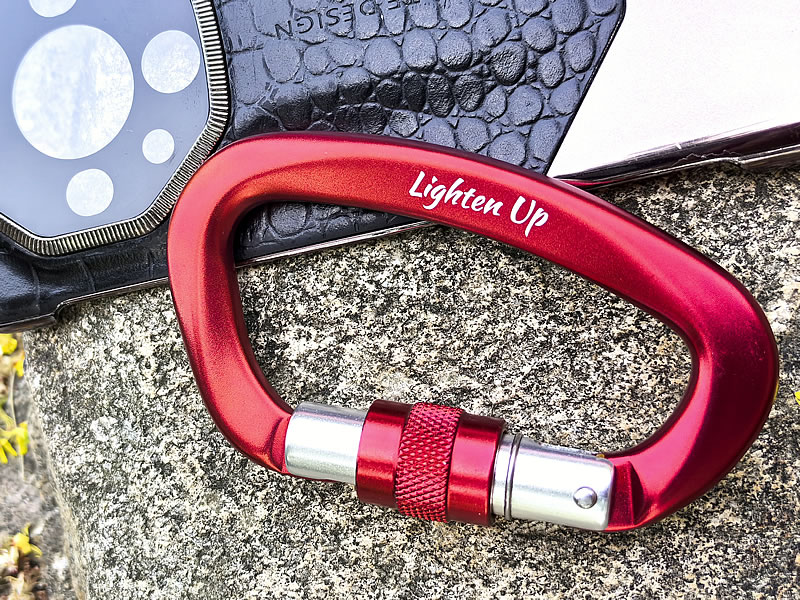
This article will explore the science behind this strength difference, quantify the disparity, and explain why the "stronger" material isn't always the right choice for every job.
The Science of Strength: Material Properties Explained
The superior breaking strength of steel stems from its fundamental material properties. Strength in this context refers to tensile strength—the maximum stress a material can withstand while being stretched or pulled before failing.
- Steel Alloys: Carabiners are made from high-tensile steel alloys. These alloys are engineered to have an extremely high yield and ultimate tensile strength. The molecular structure of steel allows it to resist deformation under immense force, which directly translates to a higher kN (kiloNewton) rating.
- Aluminum Alloys: Carabiners are typically made from high-grade aluminum alloys like 7075-T6, the same material used in aircraft aerospace applications. While these alloys offer an exceptional strength-to-weight ratio, their absolute tensile strength is lower than that of steel.
By the Numbers: Quantifying the Strength Difference
The difference in breaking strength is not marginal; it's substantial.
- Typical Aluminum Carabiner Strength: A standard, heavy-duty aluminum climbing carabiner has a major-axis breaking strength between 22 kN and 28 kN (approximately 4,945 to 6,295 pounds-force).
- Typical Steel Carabiner Strength: An equivalent-sized steel carabiner used in industrial or rescue settings often has a breaking strength ranging from 30 kN to 50 kN or even higher (approximately 6,740 to 11,240 pounds-force).
This means a steel carabiner can be 30% to 100% stronger than its aluminum counterpart. This immense strength provides a massive safety margin for critical applications where loads can be extreme and unpredictable.
The Critical Trade-Off: Strength vs. Weight
The most significant drawback of steel is its weight. Steel is approximately 2.5 to 3 times denser than aluminum. This translates directly to carabiners:
- An aluminum carabiner might weigh 50-60 grams.
- A similarly sized steel carabiner can easily weigh 150-200 grams.
This weight difference is crucial. For a rock climber carrying 15 carabiners on a route, using steel would add over 2 kilograms (4.4 lbs) of extra weight—a massive penalty that leads to rapid fatigue. This is why the climbing industry universally adopts aluminum; its strength is more than sufficient for the dynamic forces of a fall, and its light weight is a functional necessity.
Beyond Breaking Strength: Durability and Use Cases
The material choice also affects durability and application:
- Durability: Steel is much harder and more resistant to abrasion. It can be dragged over rough surfaces like rock or metal with minimal wear, making it ideal for permanent anchors, rigging, and rescue operations. Aluminum, while strong, is softer and will show gouges and scratches more easily.
- Ideal Applications:Choose Steel for: Industrial rope access, fire and rescue systems, arborist rigging, and any situation where maximizing breaking strength and abrasion resistance is the absolute priority, and weight is a secondary concern.Choose Aluminum for: Rock climbing, mountaineering, ice climbing, and any activity where reducing weight is critical to performance and safety, and the standardized strength (22-28 kN) provides an adequate safety margin.
Conclusion: It's About the Right Tool for the Job
So, does steel have a higher breaking strength? Unquestionably. But is it the "better" material? That depends entirely on the task at hand.
The engineering philosophy is clear:
- For load-bearing efficiency and weight savings: Aluminum is superior. Its high strength-to-weight ratio is precisely what makes modern climbing possible.
- For maximizing absolute strength and durability: Steel is unmatched. It is the undisputed choice for the most demanding, high-abuse environments.
Ultimately, both materials are exceptionally safe when used within their designed parameters. The key is to select a carabiner—whether steel or aluminum—that is certified to the relevant safety standards (e.g., UIAA, ASTM) for your activity and to always inspect it before use. The highest breaking strength in the world is only beneficial if the carabiner is the right tool for the entire system.




