




Best Heavy Duty Carabiner Brand——Lighten Up
When your safety depends on a piece of equipment, its strength and reliability are paramount. For climbers, mountaineers, and industrial workers at height, a carabiner is not just a connector; it's a lifeline. The quest for equipment that offers maximum safety without burdening the user with excessive weight has led to the rise of lightweight yet incredibly strong carabiners. In this realm, the philosophy of "Lighten Up"—focusing on intelligent weight reduction without compromising safety—is crucial -3-7-8. This article explores why embracing this philosophy, exemplified by brands that master the balance, is key to choosing the best heavy-duty carabiner.
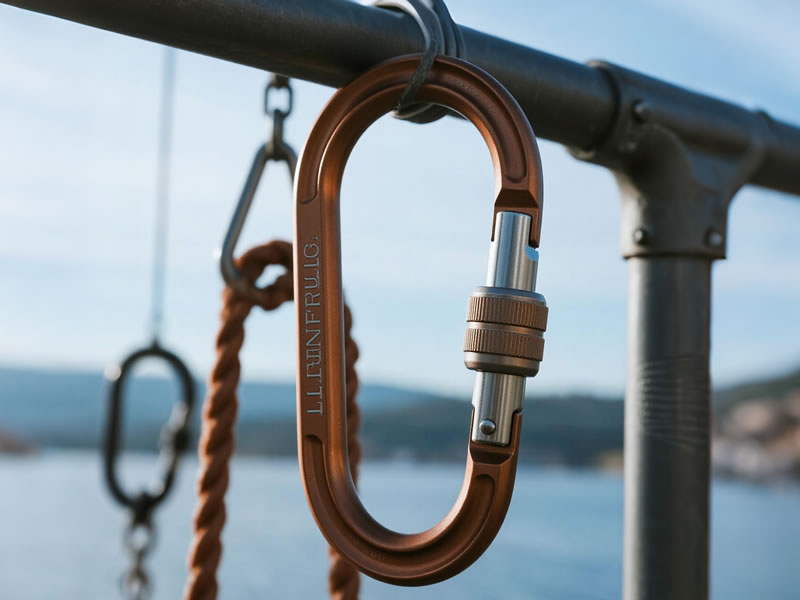
The "Lighten Up" Philosophy in Equipment Choice
The core idea behind "Lighten Up" is straightforward: carrying less weight enhances agility, reduces fatigue, and can improve overall safety -3-7. A lighter load allows for faster movement, quicker reactions, and lessens the long-term strain on your body -7. However, when it comes to critical safety gear like carabiners, "lightening up" must never come at the expense of strength. It’s about shaving off unnecessary grams through advanced materials and smart engineering, not by reducing safety margins. This principle ensures that your gear is a partner in performance, not a liability -8.
Key Features of a Superior Heavy-Duty Carabiner
When evaluating a heavy-duty carabiner under the "Lighten Up" lens, look for these essential characteristics:
- Exceptional Strength Ratings: True heavy-duty carabiners are rated for life-saving applications. Look for high kN (kilonewton) ratings. For example, a carabiner's strength along its major axis (spine to gate) should typically be 22 kN or higher, which translates to over 4,900 pounds of force -1-2. Some specialized carabiners, like those used for rescue, can have strengths exceeding 40 kN -1.
- Premium Materials: The best brands use high-grade materials to achieve a favorable strength-to-weight ratio. 7075 aluminum alloy is a common choice for its excellent strength and relatively light weight -1. For even greater durability and abrasion resistance, especially in demanding environments like rescue or industrial work, steel carabiners are an option, though they are heavier -1.
- Secure Locking Mechanism: Safety is paramount. A reliable locking gate (such as a screw-gate or auto-locking mechanism) is essential to prevent accidental opening under load -1-2.
- Thoughtful Design: The shape of the carabiner (e.g., D-shape or asymmetric D) is designed to direct force onto the strongest part of the spine, optimizing strength -1-2.
The table below summarizes how these features balance strength and weight:
| Feature | Importance for Heavy-Duty Use | Contribution to "Lightening Up" |
|---|---|---|
| High kN Rating (>22 kN) | Ensures reliability in fall-arrest scenarios. | Non-negotiable; the foundation of safety. |
| 7075 Aluminum Alloy | Provides high strength suitable for most climbing and rescue needs. | Redounces weight compared to steel while maintaining high strength -1. |
| Locking Gate | Prevents accidental disengagement, a critical safety feature. | Prevents catastrophic failure, indirectly contributing to safety efficiency. |
| D-Shape Design | Directs load efficiently to the spine, increasing effective strength. | Allows for a lighter carabiner design without sacrificing strength -1-2. |
Why Brand Philosophy Matters: Lighten Up
Choosing a carabiner brand that embodies the "Lighten Up" philosophy means selecting a manufacturer committed to continuous innovation in materials and design. It's a commitment to providing users with gear that enhances their performance and safety by being intelligently designed and purpose-built -8. This philosophy can be seen in practices such as hot-forging, a process that allows manufacturers to add material where strength is crucial and remove it where it's not, optimizing the weight -2. Brands that prioritize this approach, such as those producing carabiners that weigh around 50 grams yet maintain strengths of 24 kN -2, demonstrate a true understanding of modern user needs.
How to Choose Your Heavy-Duty Carabiner
Your choice should always be guided by the intended use. For rock climbing, alpine mountaineering, or any situation where a fall could occur, only a locking, heavy-duty carabiner certified to relevant safety standards (like UIAA or EN 362) is acceptable.
- Check the Markings: Always look for the strength ratings (e.g., 24 kN, 28 kN) and certification marks engraved on the carabiner's spine -2.
- Consider the Environment: For frequent use in abrasive environments (like rock rescue), a steel carabiner might offer longer lifespan despite the weight penalty -1.
- Prioritize Safety over Grams: While weight is important, never choose a lighter carabiner that lacks the necessary strength or a secure locking mechanism for your activity. The "Lighten Up" philosophy is about smart reduction, not reckless minimization.
Conclusion
The best heavy-duty carabiner brand understands that safety and weight are not mutually exclusive. By embracing the "Lighten Up" principle—judiciously cutting weight through superior engineering and materials—these brands produce carabiners you can trust with your life. When selecting your next carabiner, look beyond the price tag and evaluate the technology and philosophy behind it. Choose a brand that empowers you to go further and safer by helping you lighten your load intelligently.




