




Cheap vs expensive heavy duty carabiner: is there a difference?
The price difference between a cheap and an expensive heavy-duty carabiner can be staggering. At first glance, they might look similar—both are typically D-shaped or oval, made of metal, and feature a spring-loaded gate. It's tempting to think the budget option is a steal. However, when your safety depends on this piece of equipment, understanding the real differences is not just about cost; it's about risk management. The disparity lies in the details: materials, manufacturing quality, testing, and certifications.
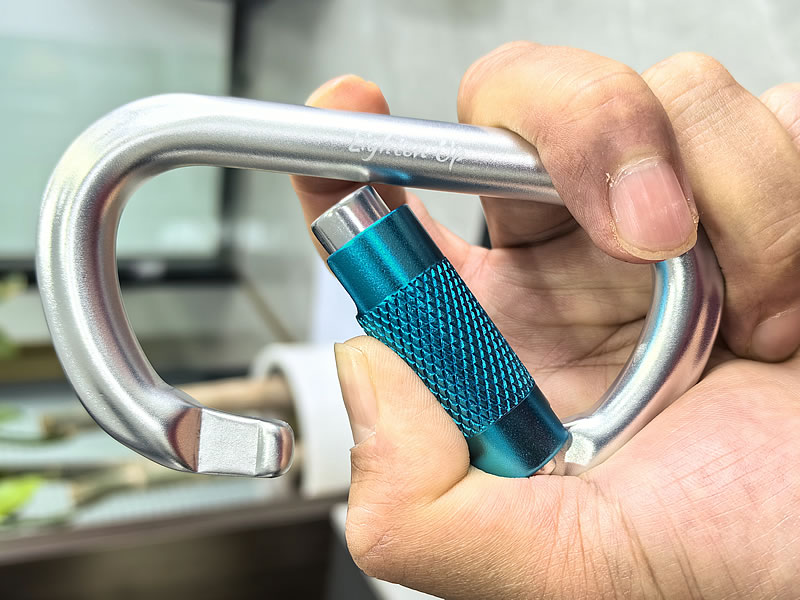
1. The Core Difference: Materials and Manufacturing
Expensive Carabiners are crafted from high-grade aluminum alloys, such as 7075-T6. This aerospace-grade material offers an exceptional strength-to-weight ratio. The manufacturing process involves precision forging and CNC machining, creating a carabiner with consistent grain structure and no weak points. The gate mechanism is engineered for smooth, reliable operation thousands of times, even under load or in dirty conditions.
Cheap Carabiners often use inferior alloys like 6061 or even poorly specified metals. They are frequently die-cast, a process that can introduce microscopic bubbles and inconsistencies into the metal. This creates potential failure points under high stress. The gates may feel gritty, stick, or even fail to close properly—a critical flaw known as "gate lash."
2. The Invisible Shield: Quality Control and Certification
This is arguably the most significant difference. Reputable brands subject their carabiners to rigorous quality control and independent certification.
- Certifications: Expensive carabiners for climbing or life-safety applications carry marks from organizations like the UIAA (International Climbing and Mountaineering Federation) or CE (Conformité Européenne) under specific standards (e.g., EN 12275). These are not just stickers; they are promises that the carabiner has been tested to withstand specific forces (e.g., 20-25 kN on the major axis) and endure extreme conditions.
- Batch Testing: Cheap carabiners might claim a "tested strength" on packaging, but this is often a self-declaration without independent verification. There is no guarantee that the carabiner you hold meets the same standard as the one they tested. With certified gear, batches are routinely tested to ensure ongoing compliance.
3. Key Feature Breakdown: Where Your Money Goes
| Feature | Expensive Carabiner | Cheap Carabiner |
|---|---|---|
| Strength Rating | Clearly marked (e.g., 24 kN). Certified and reliable. | May have a rating, but its accuracy and consistency are questionable. |
| Gate Action | Smooth, positive, and reliable. Engineered to prevent accidental opening. | Often stiff, gritty, or prone to sticking. Higher risk of gate lock failure. |
| Finish | Anodized finish for durability and corrosion resistance. Smooth surfaces prevent rope wear. | Rough machining, sharp edges that can damage ropes or slings. Prone to corrosion. |
| Markings | Laser-etched or stamped markings that won't wear off. | Paint or superficial etching that can fade, removing critical strength information. |
4. When Does it Matter? Application is Key
The "right" choice depends entirely on the application.
- For Life-Support Uses (Climbing, Rappelling, Rescue): There is no debate. Your life literally hangs on the integrity of your gear. The investment in an expensive, certified carabiner from a trusted brand (like Petzl, Black Diamond, DMM) is non-negotiable. The extra cost is insurance for your safety.
- For Non-Critical Uses (Gear Loops, Keychains, Light DIY): A cheap carabiner may be perfectly adequate for organizing gear on a backpack or holding a water bottle. The consequences of failure are minimal.
Conclusion: So, Is There a Difference?
Absolutely. The difference between a cheap and an expensive heavy-duty carabiner is the difference between assumed safety and certified reliability. While a cheap carabiner might hold weight in a static test, it lacks the guaranteed engineering, rigorous testing, and quality control needed for dynamic, life-critical loads.
Don't let price be the sole factor when your safety is on the line. For any application where a failure could result in injury or death, the investment in a certified, high-quality carabiner is the only smart choice. It’s a small price to pay for peace of mind. Always check for UIAA or CE certification marks and buy from reputable outdoor equipment retailers.




