




Heavy duty carabiner for arborist work.
In arboriculture, your gear is your lifeline. While rock climbers trust their carabiners to hold a fall, arborists rely on them for constant, demanding work: supporting body weight, managing dynamic rigging loads, and handling heavy limbs high above the ground. A standard climbing carabiner isn't always sufficient. Choosing the right heavy-duty carabiner for arborist work requires understanding specialized standards, unique physical demands, and the critical importance of fail-safe locking mechanisms. This guide will help you select a connector that ensures maximum safety and efficiency in the tree canopy.
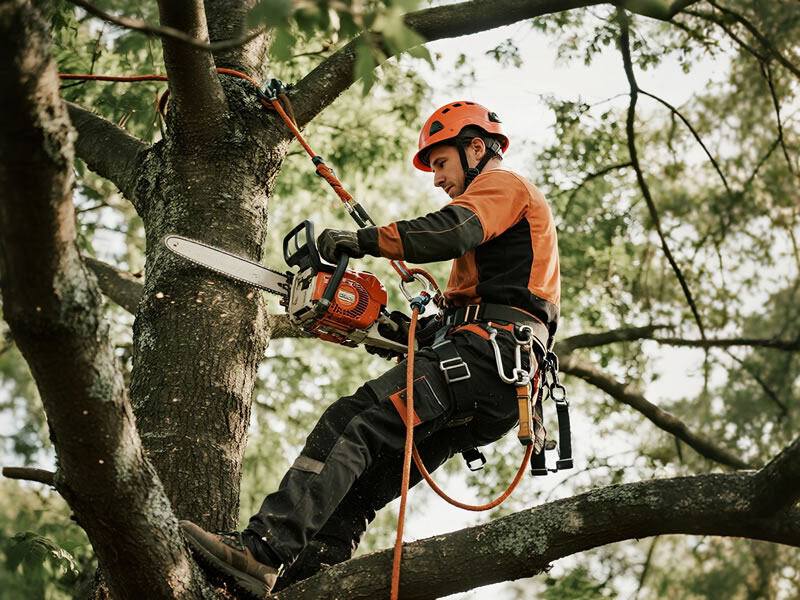
1. The Arborist Standard: Why Certification Matters Most
The fundamental difference between a climbing carabiner and an arborist carabiner lies in the standards they are built to meet.
- Climbing Standards (UIAA/EN): Designed to withstand high-impact, dynamic leader falls.
- Arborist Standards (ANSI Z359 / ISA): These standards are tailored to the unique stresses of tree work. They often require higher minor axis strength because carabiners in rigging scenarios can be loaded from multiple angles, not just along the spine. Using gear certified to ANSI/ISA standards is not just a recommendation; it's a core component of professional best practices and workplace safety compliance.
Always look for certification markings stamped directly on the carabiner. This is your first and most important check for legitimacy.
2. Key Features of a True Arborist Carabiner
Beyond certification, several design elements are crucial for arborist applications:
- Size and Handling: Arborist carabiners are typically larger than their climbing counterparts. A larger size makes them easier to manipulate while wearing heavy gloves, a common necessity in tree work.
- Strength Ratings: Pay close attention to the Minor Axis Strength rating. While a major axis strength of 40 kN is standard, a high minor axis strength (e.g., 25 kN or more) is critical for rigging applications where side-loading can occur.
- Nose Design: A keylock or notchless nose is highly preferred. This design eliminates the hook-like tip, preventing it from snagging on ropes, slings, or bark during complex rigging operations. This enhances both safety and workflow efficiency.
- Material: Most are made from high-strength aluminum alloys for a good strength-to-weight ratio. However, for certain high-wear rigging applications, steel carabiners are used for their exceptional durability, despite the added weight.
3. Locking Mechanisms: The Heart of Safety
The gate mechanism is arguably the most critical safety feature. For arborist work, a secure auto-locking system is non-negotiable.
- Triple-Action Lock (Push, Twist, Pull): This is the gold standard for arborist work. Requiring three distinct motions to open makes it virtually impossible for the gate to open accidentally from contact with branches, ropes, or other equipment. It provides the highest level of security for life-support tasks.
- Auto-Locking (Twist-Lock): These are secure and convenient, automatically locking when the gate closes. However, they can be more susceptible to being jammed by dirt, sawdust, or ice compared to the simpler mechanism of a triple-action lock.
- Avoid Screw-Gates: While common in climbing, manually operated screw-gate carabiners are generally not recommended for primary life-support in arboriculture. The risk of human error—failing to fully screw the sleeve shut—is too great in a complex work environment.
4. Top Considerations for Application
- Personal Climbing/Securing: For your lanyard or climbing line, a large, triple-action locking carabiner is ideal. Brands like DMM and Petzl offer excellent models designed specifically for arb work.
- Rigging: For moving heavy wood, use carabiners explicitly rated for rigging. These are often steel and feature a massive spine to handle tremendous forces. Never use your primary life-support climbing carabiner for heavy rigging, as the forces involved can damage it.
Conclusion: Don't Compromise in the Canopy
Selecting a heavy-duty carabiner for arborist work is a decision that directly impacts your safety. The right choice is defined by adherence to ANSI/ISA standards, a robust physical design suited for gloved hands, and—most importantly—a triple-action locking mechanism that guarantees security.
Invest in equipment from reputable brands known for their quality control. Before every use, conduct a thorough inspection for cracks, wear, and gate function. Your carabiner is a vital link in your safety system; choosing the correct one is an essential investment in your professional longevity and well-being.




