




How to clean and maintain a heavy duty carabiner?
Your heavy-duty carabiner is a critical piece of hardware, whether it's for climbing, industrial work, or rescue. Its reliability can be a matter of life and death. Just like any precision tool, its performance and lifespan depend heavily on proper cleaning and maintenance. Dirt, sand, salt, and moisture are its worst enemies, leading to corrosion, accelerated wear, and potential gate failure. This comprehensive guide will walk you through the steps to keep your carabiner in peak condition, ensuring it's safe and ready for every use.
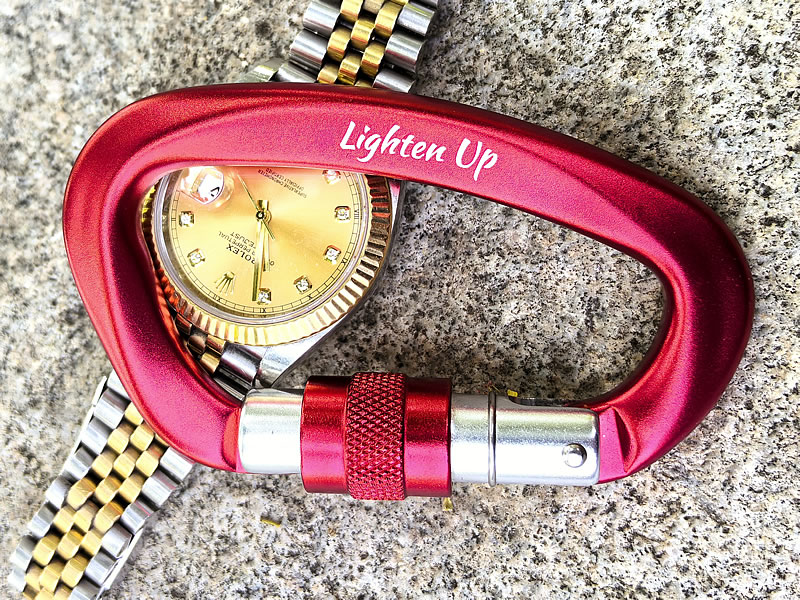
Step 1: The Cleaning Process
Regular cleaning is essential, especially after use in sandy, muddy, or saltwater environments.
What You'll Need:
- A bucket of warm water
- Mild dish soap or a specialized gear cleaner
- Soft-bristled brushes (an old toothbrush works perfectly)
- A soft cloth or towel
- Compressed air (optional, for drying hard-to-reach areas)
Procedure:
- Rinse: Start by thoroughly rinsing the carabiner with clean water to remove loose dirt and abrasive particles. This prevents scratching during the scrubbing phase.
- Wash: Add a small amount of mild soap to your warm water. Submerge the carabiner and use the soft-bristled brush to gently scrub every part of it. Pay close attention to:The Gate Hinge and Spring Mechanism: This is where grit loves to hide. Work the brush bristles into the pivot points to dislodge any debris.The Locking Sleeve (if applicable): Twist the sleeve back and forth while cleaning to ensure grime is removed from the threads.The Nose and Notch: Ensure these engaging surfaces are clean for a secure closure.
- Rinse Thoroughly: Soap residue can attract more dirt and potentially degrade materials over time. Rinse the carabiner completely with clean water until all soap is gone.
Step 2: Drying and Lubrication
This step prevents corrosion and ensures smooth operation.
- Dry Completely: Use a soft, lint-free cloth to dry the carabiner externally. Then, leave it in a well-ventilated area away from direct heat (like a radiator) to air dry completely. For auto-locking carabiners, use compressed air to blow out any remaining moisture from the mechanism. Ensuring it is bone-dry is crucial to prevent internal rust.
- Lubricate Sparingly: Once fully dry, apply a small amount of lubricant. The correct type of lubricant is critical.Recommended: A dry Teflon-based lubricant (e.g., Trident Teflon Lube) is ideal. It attracts minimal dirt and doesn't leave a greasy residue.What to Avoid: Avoid wet, greasy lubricants like WD-40 (which is a penetrant and water-displacer, not a long-term lubricant) as they attract dust and grit, creating a grinding paste.Application: Apply a tiny drop to the gate's pivot points and the locking sleeve threads. Open and close the gate, and work the sleeve, several times to distribute the lubricant evenly. Wipe off any excess with a cloth.
Step 3: Proper Storage
How you store your carabiner between uses significantly impacts its longevity.
- Environment: Store in a cool, dry, and dark place. Avoid damp basements, hot cars, or direct sunlight, as UV radiation can degrade some materials over time.
- Method: Do not leave it rattling loosely in a gear bag where it can be abraded by other metal objects. A fabric gear sling or a separate compartment is ideal.
Step 4: The Pre- and Post-Use Inspection
Cleaning and maintenance are meaningless without a rigorous inspection. Make this a non-negotiable habit.
During every cleaning session, perform a detailed check:
- Visual Check: Look for cracks, deep gouges, significant corrosion, or sharp burrs. Any of these are grounds for immediate retirement.
- Gate Function Test: The gate should open and close smoothly and crisply without any grinding or sticking. It should snap shut firmly.
- Locking Mechanism Test: For screw-gates, the sleeve should turn smoothly and engage fully. For auto-lockers, the mechanism should engage automatically every time and require a deliberate action to open.
- Wear Check: Run a fingernail over the rope-bearing surface. If you can feel a deep groove, the carabiner has lost significant strength and must be retired.
The Golden Rule: When in Doubt, Throw it Out
No maintenance routine can reverse critical damage. The cost of a new carabiner is insignificant compared to the consequence of its failure. If you have any doubt about its integrity after cleaning and inspection, retire it honorably.
By following this disciplined regimen of clean, dry, lubricate, store, and inspect, you are not just maintaining a piece of metal; you are actively preserving the safety and reliability of a tool that your life may one day depend on.




