




Best Carabiner for Belaying: Your Ultimate Guide to a Critical Safety Link
In climbing, few pieces of gear carry as much responsibility as your belay carabiner. It is the central hub connecting you, your belay device, and your climbing partner's rope—a literal lifeline. Unlike a lightweight quickdraw carabiner built for speed, a belay carabiner is defined by its security, size, and strength. Choosing the wrong one can compromise your safety system. This guide breaks down the essential features to help you select the best carabiner for belaying with confidence.
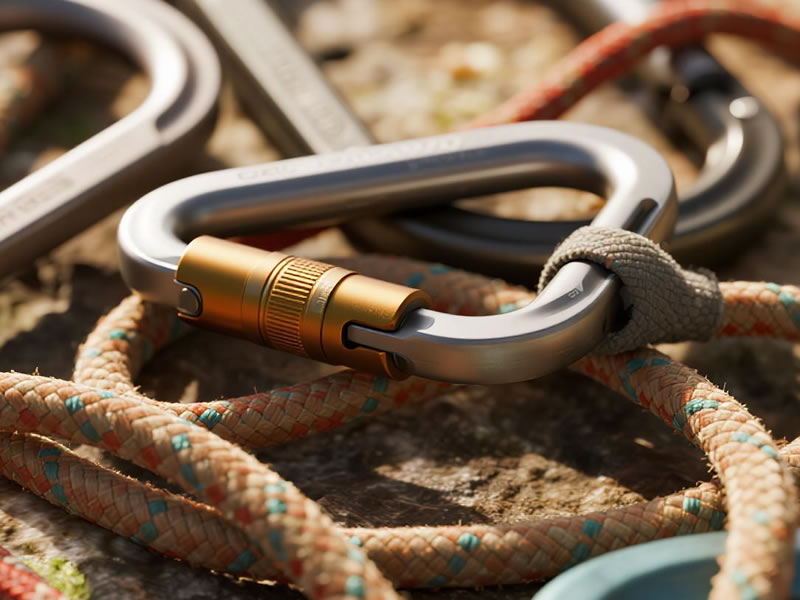
Why a Specialized Belay Carabiner is Non-Negotiable
You might have a dozen wiregates on your harness, but they are not suitable for belaying. A dedicated belay biner is crucial for several reasons:
- Preventing Cross-Loading: A standard oval or D-carabiner can easily twist into a dangerous cross-loaded position under load. A properly shaped belay carabiner is designed to resist this.
- Accommodating Gear: It must comfortably fit a belay device, the rope, and your harness belay loop without being cramped.
- Secure Locking: It requires a foolproof locking mechanism that is easy to check and hard to accidentally open.
Key Features of the Ideal Belay Carabiner
When shopping, look for these non-negotiable characteristics:
1. Shape: The HMS/Pear Shape is King
The HMS (from the German Halbmastwurfsicherung, meaning Munter hitch belay) or Pear-shaped carabiner is the undisputed standard for belaying. Its wide, rounded end provides ample space for a belay device to pivot freely, a Munter hitch to be tied, and, most importantly, prevents the device from forcing the carabiner into a cross-loaded position. The wide base allows the rope to run smoothly during lowering or rappelling.
2. Locking Mechanism: Screw-Gate vs. Auto-Locking
Security is paramount. You have two excellent primary choices:
- Screw-Gate (Manual): The classic and most common choice. It's simple, reliable, and easy to inspect. Its one drawback is that it requires manual effort to screw the sleeve closed. For this reason, a double-action or auto-locking carabiner is often recommended.
- Auto-Locking (e.g., Petzl's Ball-Lock, Williams, or Triple-Action): These carabiners automatically lock when the gate closes. To open them, you must perform two distinct actions, like pushing and twisting. This provides a significant safety advantage, virtually eliminating the risk of human error in forgetting to screw the gate shut. They are highly recommended for their added security, especially in busy environments or for less experienced climbers.
3. Gate Type: Solid Gate is Essential
Unlike quickdraws, a solid gate is superior for belaying. It provides a broad, flat surface for your belay device to rest against, reducing wear on both the device and the carabiner. It is also more robust and easier to handle with gloves, a key consideration in alpine or cold-weather scenarios.
4. Nose Design: Keylock is a Quality-of-Life Upgrade
A Keylock or no-notch nose design is highly beneficial. It prevents the carabiner from snagging on your harness, rope, or gear slings. This makes the carabiner smoother to handle and extends the life of your other equipment.
Top Contenders for Your Belay Loop
Based on these criteria, a few models stand out:
- Petzl Williamino (or William): A benchmark in the category. It's a pear-shaped, auto-locking (Ball-Lock) carabiner with a keylock nose. Its slightly smaller "ino" size is perfect for most climbers, while the full-size William offers maximum space. The auto-locking mechanism provides top-tier security.
- Black Diamond RockLock: A hugely popular and reliable screw-gate option. It features a classic HMS pear shape, a clean HoodWire (keylock) nose, and a large size that handles any device with ease. It’s a workhorse known for its durability and straightforward design.
- DMM Sentinel / BD GridLock: For the ultimate in security, a twin-gate auto-locker like these is an excellent choice. They are bulkier but offer the highest level of redundancy, as they have two independent locking gates. These are often used by guides and in professional settings.
The Final Verdict
For most recreational climbers, the best belay carabiner is an HMS-shaped, auto-locking carabiner with a solid gate and keylock nose. The Petzl Williamino exemplifies this combination perfectly. If you prefer the simplicity of a manual screw-gate, the Black Diamond RockLock is a flawless and dependable choice.
Never compromise on this critical piece of safety gear. Your belay carabiner is the cornerstone of a safe climbing system—invest in one that inspires absolute confidence every time you lock it.




