




When to Retire a Climbing Carabiner?
Your climbing carabiner is a critical lifeline—a small piece of metal that stands between you and a serious fall. Knowing when to retire it isn't just about saving money; it's a fundamental part of climbing safety. Retiring a carabiner too early might be unnecessarily costly, but retiring it too late can have catastrophic consequences.
This guide will walk you through the key signs of wear, structural damage, and functional issues that signal it's time to retire your carabiner, ensuring your gear remains trustworthy.
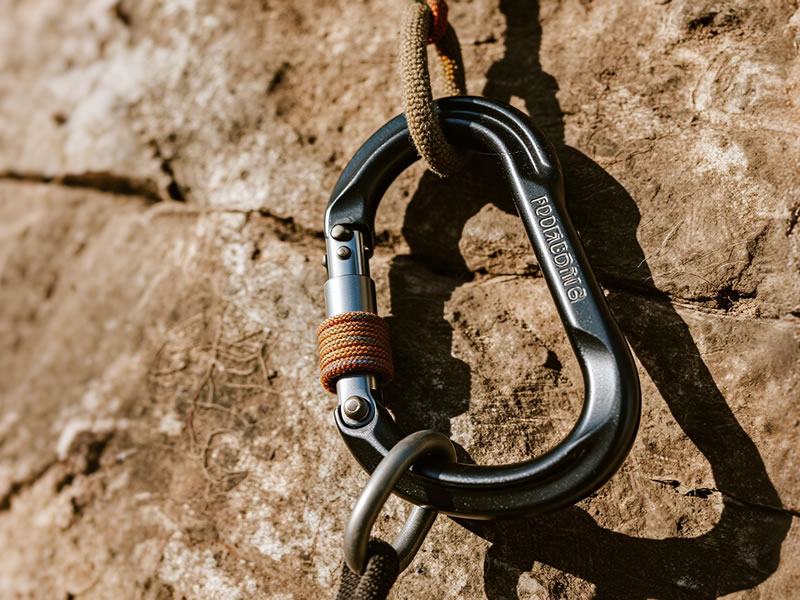
🔍 Visual Inspection: The First Line of Defense
Before every climb, give your carabiner a thorough visual check. Look for any of these red flags:
- Cracks or Deep Gouges: Superficial scratches are normal, but any deep gouges you can feel with a fingernail act as stress concentrators and can compromise strength. Any visible crack, especially at the base of the nose or the spine, means immediate retirement -1.
- Sharp Burrs: Feel for any sharp edges or raised metal spots. These sharp burrs can cut your rope's sheath, compromising its integrity -1.
- Significant Corrosion: While aluminum doesn't rust, it can corrode into a white, powdery substance. This corrosion weakens the metal over time -1.
⚙️ Check Gate Action and Function
The gate is the moving part of your carabiner, and its smooth operation is crucial.
- Gate Operation: The gate should open and close smoothly and freely without any binding or grating. It should "snap" shut with authority. A gritty or grinding feeling indicates internal contamination (sand, dirt) or corrosion and often warrants retirement -1.
- Gate Play (Wobble): Hold the carabiner body and try to wobble the gate side-to-side. A small amount of lateral play is normal, but excessive wobble indicates significant wear on the pivot mechanism -1.
- Gate Stickiness: With the gate open, it should always return to the open position on its own. A sticking gate is a major safety hazard as it may not close properly when needed -1.
- Locking Mechanism (for Locking Carabiners): For screw-gates, ensure the sleeve rotates freely and smoothly. For auto-locking carabiners (e.g., Twist-Lock, Ball-Lock), verify that the mechanism engages and disengages correctly every time. A malfunctioning lock is as dangerous as a cracked spine -1.
📅 Considering Age and General Wear
Even without obvious damage, carabiners have a finite lifespan. General wear from use and environmental factors can degrade the material.
- Rope Grooves: Over time, the rope can wear a visible groove into the spine of the carabiner, particularly on quickdraws. While shallow grooves might be acceptable, significant grooves that have sharp edges or are deep warrant serious consideration for retirement -1.
- Age and Usage Frequency: While there's no universal expiration date, the manufacturer EDELRID suggests that with frequent use (and no obvious wear, correct use, and optimal storage conditions), a product's lifespan may be around 6 years -6. For extreme use conditions, this can be as short as 2 years -6. It is important to note that these timeframes are not a guarantee and do not replace the need for regular inspections -6.
Here is a summary of the key indicators and recommended actions:
| Condition | Signs & Symptoms | Recommended Action |
|---|---|---|
| Surface Damage | Cracks, deep gouges, sharp burrs, significant corrosion | IMMEDIATE RETIREMENT |
| Gate Malfunction | Gritty feeling, excessive wobble, sticking, failure to self-close | Retire (Clean first if only gritty; if problem persists, retire) |
| Locking Mechanism | Failure to lock properly, cross-threaded sleeve | Retire |
| Age & Wear | Significant rope grooves, general wear from frequent use over several years | Evaluate and likely retire; consider manufacturer-suggested lifespans as a guide -6 |
🛠️ Proper Maintenance and Final Advice
To extend the safe life of your carabiners, clean them regularly with water and a soft brush to remove dirt and grit, and store them in a cool, dry place away from chemicals -1.
Ultimately, the most important rule is: "When in doubt, throw it out." Your safety is priceless. A systematic inspection of your carabiners before and after each climb is a non-negotiable ritual. By being vigilant and recognizing these signs of wear, you protect your life and the lives of those who trust you on the rope.




