




How to clean and maintain climbing carabiners?
Your climbing carabiners are the unsung heroes of your safety system. They endure countless clips, abrasive rock dust, salty sweat, and occasional impacts. While they are built to be incredibly durable, their performance and longevity depend heavily on proper care and maintenance. A dirty or poorly maintained carabiner can develop a sluggish gate, a compromised locking mechanism, or hidden corrosion, all of which can lead to a failure when you need it most. This comprehensive guide will walk you through the steps to clean and maintain your carabiners, ensuring they remain reliable for years to come.
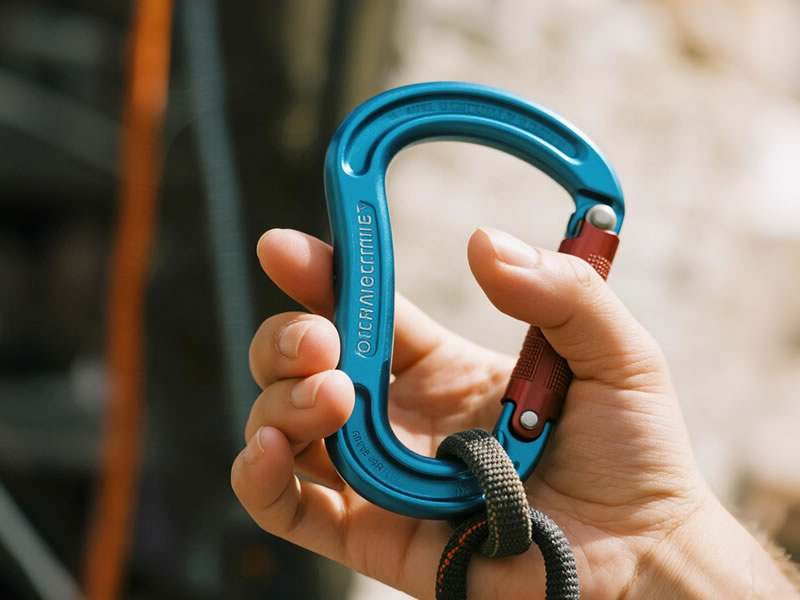
The Importance of Regular Maintenance
Neglecting your carabiners isn't just about having gear that looks old; it's a direct safety concern. Grit and dirt act as abrasives, accelerating wear on the pivot point and gate mechanism. Salt from sweat can corrode internal components, especially in steel springs, leading to a "gritty" feel or a gate that fails to close properly. Regular maintenance prevents these issues, preserves the carabiner's structural integrity, and gives you the opportunity to spot signs of damage during inspections.
Step-by-Step Cleaning Guide
Follow this simple process to thoroughly clean your carabiners after a climbing trip or whenever they appear dirty.
What You'll Need:
- A bucket of warm water
- Mild dish soap (avoid harsh detergents and solvents)
- A soft-bristled brush (an old toothbrush is perfect)
- A soft cloth or towel
- Compressed air (optional, for drying)
- A small amount of lubricant (see specifics below)
The Cleaning Process:
- Rinse and Soak: Begin by rinsing the carabiners in warm water to remove loose dirt, sand, and salt. For stubborn grime, let them soak for 10-15 minutes in a bucket of warm, soapy water.
- Scrub Gently: Using the soft-bristled brush, scrub every part of the carabiner. Pay special attention to the gate's pivot point, the locking sleeve on screw-gate carabiners, and the notch where the gate nose makes contact. Be meticulous but gentle to avoid scratching the metal.
- Rinse Thoroughly: Rinse the carabiners completely with clean water to ensure all soap and dislodged dirt are washed away. Soap residue can attract more dirt over time.
- Dry Completely: This is a critical step. Use a soft, dry towel to wipe the carabiners down. Forcing compressed air into the pivot point can help blow out any trapped moisture. Ensure they are 100% dry before storage to prevent corrosion.
Lubrication: The Do's and Don'ts
Lubrication is essential for smooth operation but must be done correctly.
- DO Use the Right Lubricant: Use a dry Teflon-based lubricant specifically designed for climbing gear. These lubricants do not attract dirt and grime. A single, short spray into the pivot point and the locking sleeve threads is sufficient.
- DO NOT Use These: Avoid WD-40, grease, oil, or silicone-based lubricants. These substances attract dirt and dust, creating a gritty paste that will jam the mechanism and accelerate wear.
After applying lubricant, work the gate and locking mechanism dozens of times to distribute it evenly. Wipe away any excess lubricant from the exterior of the carabiner.
Inspection: Your Final Safety Check
Cleaning is the perfect time to perform a detailed inspection. As you dry and lubricate each carabiner, check for:
- Cracks or Deep Gouges: Especially at the nose and on the spine.
- Gate Action: The gate should open smoothly and snap shut authoritatively without any gritty feeling or sticking.
- Gate Wobble: Excessive side-to-side play indicates pivot wear.
- Locking Mechanism: For screw-gates, ensure the sleeve rotates freely and fully. For auto-lockers, verify the mechanism engages and disengages correctly every time.
If you find any of these issues, it's time to retire the carabiner.
Proper Storage
How you store your gear between climbs is just as important as how you clean it.
- Keep it Dry: Store carabiners in a cool, dry place away from direct sunlight.
- Avoid Chemicals: Keep them away from gasoline, battery acid, or other harsh chemicals that can degrade the metal.
- Don't Dump Them: Avoid tossing them loosely in a gear bag where they can scrape against each other and other metal gear. Consider using a separate stuff sack for your carabiners and quickdraws.
Conclusion
Cleaning and maintaining your climbing carabiners is a simple, quick process that pays massive dividends in safety and gear longevity. By integrating a routine of rinsing, gentle scrubbing, thorough drying, and proper lubrication after your climbing sessions, you are not just maintaining equipment—you are actively preserving the critical links in your safety chain. This disciplined care, combined with regular, detailed inspections, ensures that every "click" of the gate is a sound you can trust.




