




What are carabiner hooks used for?
The simple carabiner hook is one of the most versatile and essential tools across numerous activities, from life-or-death safety applications to everyday convenience. While most recognize it as a climber's tool, its functionality extends far beyond the crag. At its core, a carabiner is a specialized connector, but its specific use is defined by its design, material, and most importantly, its strength rating. Understanding the full spectrum of its applications is key to using it safely and effectively.
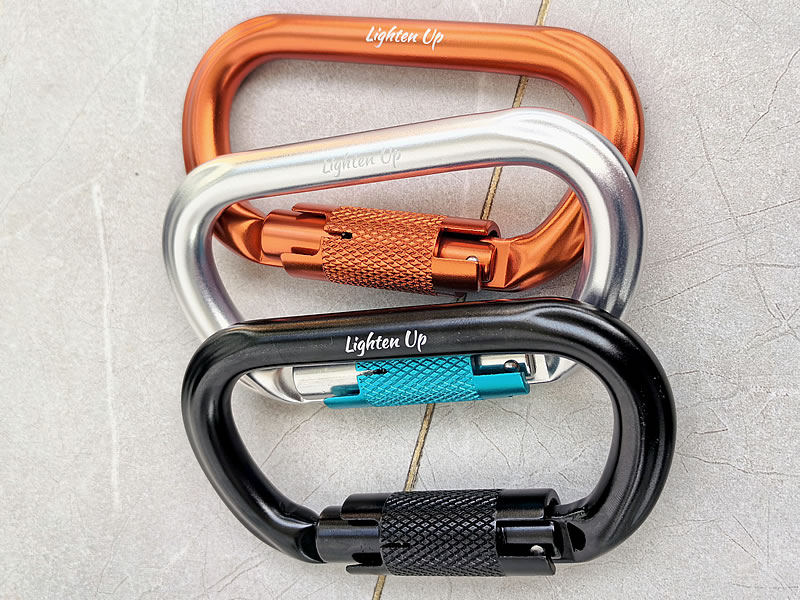
The Primary Function: Life-Support in Vertical Sports
This is the original and most critical application for which modern carabiners are engineered. In these contexts, using UIAA or CE-certified climbing carabiners is non-negotiable.
- Rock and Ice Climbing: Carabiners are the fundamental links in the safety chain.Belaying: A locking carabiner is used to connect a belay device to the belayer's harness, creating a system to catch a fall.Protection: Carabiners connect quickdraws to bolts on a sport climb, or attach slings and cords to trad gear (cams, nuts), creating points where the rope can run freely while securing the climber.Anchors: Multiple carabiners, often locking, are used to build secure anchor systems at the top or bottom of a climb, for belaying, rappelling, or resting.Rappelling: Locking carabiners are essential for securing the rappel device to the harness and for building redundant rappel anchors.
- Via Ferrata: In these protected climbing routes, special energy-absorbing via ferrata sets use carabiners (often two) to continuously clip into a steel cable, protecting a fall.
- Mountaineering and Alpine Climbing: Lightweight carabiners are used for building snow anchors, clipping into fixed lines on exposed ridges, and attaching essential gear to the harness for easy access.
Professional and Industrial Applications
The reliability of carabiners makes them indispensable in professional fields where working at height is routine.
- Industrial Rope Access (IRATA/SPRAT): Technicians cleaning windows, inspecting bridges, or maintaining wind turbines use carabiners for their primary attachment points, backup safety, and tool lanyards. Steel carabiners are often preferred for their durability and abrasion resistance.
- Arboriculture and Tree Surgery: Arborists use carabiners to connect their climbing lines, harnesses, and rigging systems, allowing them to work safely and efficiently aloft.
- Fire and Rescue: From technical rope rescues to swiftwater operations, rescue-grade carabiners are used to build complex mechanical advantage systems, secure litters (stretchers), and create anchor points in unpredictable environments.
Recreational and Everyday Uses (Non-Life-Support)
This is where the term "carabiner hook" is most loosely applied, and it is crucial to distinguish these uses from life-critical ones.
- Everyday Carry (EDC): A lightweight aluminum or plastic carabiner is perfect for attaching keys to a belt loop or bag.
- Backpacking and Hiking: Non-climbing carabiners are excellent for attaching gear like water bottles, trekking poles, or a sleeping pad to the outside of a backpack.
- Dog Leashes: Many modern dog leashes feature a carabiner-style clip for secure attachment to a harness or collar.
- Organization: From hanging utensils on a camping trip to organizing tools in a garage, carabiners offer a quick and removable hanging solution.
The Critical Safety Distinction
The most important takeaway is that not all carabiner hooks are created equal.
- Climbing-Rated Carabiners: These are manufactured to withstand extreme forces (typically 20-30 kN). They are designed for life-support and are marked with a UIAA or CE stamp and their strength rating.
- Non-Certified/Utility Carabiners: Often found in hardware stores or as promotional items, these are made from weaker materials (sometimes plastic or low-grade aluminum) and are not suitable for climbing or any life-support application. They are designed for light-duty tasks only.
Using a non-certified carabiner for climbing, industrial work, or any activity where a fall could occur is extremely dangerous and can lead to catastrophic failure.
Conclusion: A Tool for Every Task
From securing a climber thousands of feet up a big wall to simply keeping your keys from getting lost, the carabiner hook is a testament to functional design. Its use is limited only by the user's understanding of its capabilities. The key is to match the tool to the task: a lightweight utility 'biner for your gym bag, and a certified, robust locking carabiner for any situation where your safety depends on its strength. By respecting this distinction, you can fully leverage the incredible utility of this simple yet profound invention.




