




Carabiner Hook for Arborist and Tree Work
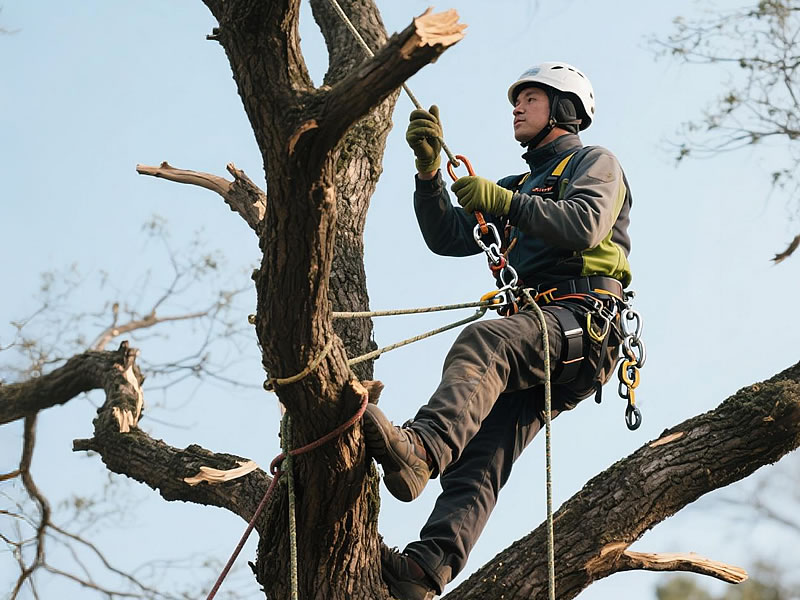
In the demanding world of arboriculture, where professionals work at height with chainsaws and heavy equipment, the choice of connecting hardware is a matter of life and death. A carabiner in this context is not merely a connector; it is a critical piece of life-support equipment. Understanding the specific standards, materials, and designs required for tree work is essential for maintaining a safe worksite and preventing catastrophic accidents.
The Critical Standard: ANSI Z133 and Arborist-Specific Design
Unlike recreational climbing, arboriculture in North America is governed by the ANSI Z133 safety standard. This standard explicitly mandates that "snap hooks and carabiners shall be of the locking type and shall be designed, dimensioned, and tested to meet the strength requirements of a major connector." This means:
- Automatic Locking Mandatory: Non-locking or screw-gate carabiners are prohibited for life-support connections. The gate must automatically engage and require at least two consecutive, deliberate actions to open.
- Major Connector Strength: The carabiner must be rated as a "major connector," meaning it is designed to hold a falling load, not just for positioning.
Key Features of an Arborist Carabiner
- Triple-Action Auto-Locking Mechanism:This is the gold standard for arborist carabiners. To open the gate, the user must first unscrew a collar, then depress a spring-loaded sleeve, and finally pivot the gate open. This complex sequence provides redundant security, ensuring the gate cannot be accidentally opened by rubbing against a tree trunk, rope, or harness.
- Material: The Case for SteelWhile aluminum is standard in climbing for its light weight, steel is the preferred material for most primary arborist carabiners.Abrasion Resistance: Arborist work involves constant contact with rough bark, dirt, and, most critically, chainsaws. Steel is vastly more resistant to abrasion and accidental contact with a chainsaw chain than aluminum.Durability: The high-frequency, often rough use in tree work demands a material that can withstand impact and wear without developing sharp burrs or significant material loss.Corrosion Resistance: Many arborist carabiners are made from galvanized or stainless steel to resist corrosion from sap, moisture, and the elements.
- Shape and Size:Arborist carabiners are often larger and feature a wider "basket" (the inner space) than their climbing counterparts. This larger size makes them easier to manipulate with gloves and accommodates multiple rope splices or other hardware.
- Clear Markings and Ratings:A professional arborist carabiner will be clearly stamped with its Working Load Limit (WLL)—typically 5,000 lbs (22 kN) or higher—and its Minimum Breaking Strength (MBS). Look for certifications from recognized bodies like CE (Europe) or proof of compliance with ANSI standards.
Common Applications in Tree Work
- Climbing System: Connecting the climber's rope to the harness bridge via a rope snap or mechanical ascender.
- Secondary Attachment: As part of a lanyard system for work positioning while moving around the canopy.
- Rigging Operations: While large-capacity rigging rings and shackles are often used for primary loads, carabiners may be used in lighter rigging scenarios or for redirects, provided their WLL is not exceeded.
The Critical Difference: Never Use Climbing Carabiners for Tree Work
This point cannot be overstated. A recreational climbing carabiner is dangerously inadequate for arborist work.
- Wrong Locking Mechanism: A standard screw-gate can be easily unscrewed and opened by friction against a tree trunk.
- Inferior Material: An aluminum carabiner can be severely damaged by a single, momentary touch from a chainsaw, compromising its strength without obvious visible signs.
- Different Standards: Climbing gear is certified to UIAA/EN standards, which, while rigorous, do not account for the specific hazards of arboriculture, such as chainsaw contact or the specific types of abrasion from bark and rigging.
Conclusion
For the arborist, the carabiner is a vital link in the safety chain. The correct choice is a large, steel, triple-action auto-locking carabiner that is explicitly rated and marketed for arborist use. Brands like Notch, Stein, and DMM produce reputable models designed for this professional field. Regular inspection for wear, damage, and smooth gate function is paramount. In a profession where the consequences of equipment failure are dire, compromising on the quality or suitability of a carabiner is a risk that should never be taken. Your safety aloft depends on using the right tool for the job.




