




Carabiner Hook for Sailing and Marine Applications
The marine environment presents one of the most demanding challenges for any piece of hardware, and carabiner hooks are no exception. Saltwater corrosion, constant UV exposure, and the unpredictable dynamic loads of a vessel at sea create a perfect storm of conditions that can quickly degrade standard equipment. Selecting the appropriate carabiner for sailing is not merely about strength; it is a deliberate choice for corrosion resistance, reliable operation under duress, and the preservation of other valuable equipment onboard.
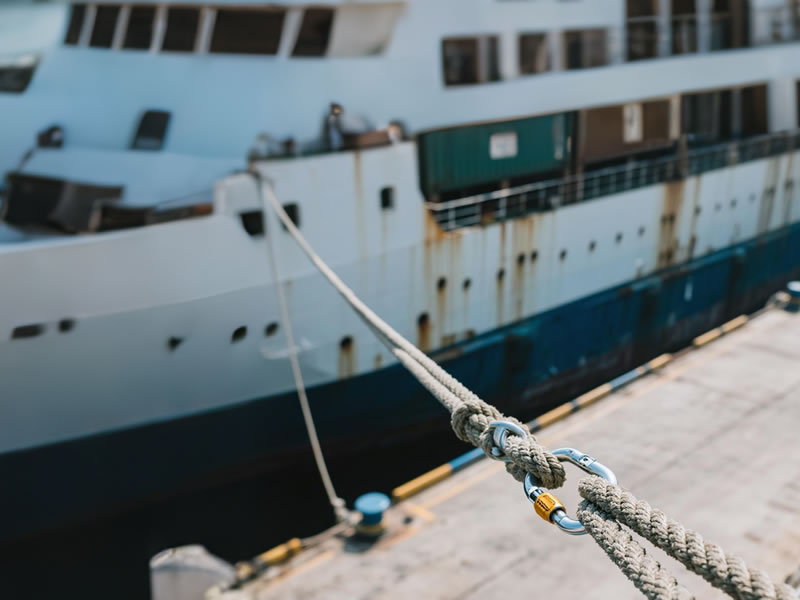
The Paramount Concern: Corrosion Resistance
The single most critical factor distinguishing a marine carabiner from its terrestrial counterparts is its ability to resist saltwater corrosion. Standard steel will rust, and aluminum, while lightweight, will pit and corrode rapidly in a salt-laden atmosphere.
- Material: 316 Grade Stainless Steel: The undisputed standard for marine applications is 316L (marine-grade) stainless steel. The key differentiator from the more common 304 stainless is the addition of molybdenum, which dramatically increases resistance to pitting and crevice corrosion in chloride environments. For the highest safety margins, some manufacturers use 2205 duplex stainless steel, which offers even greater strength and corrosion resistance.
- Surface Finish: A polished or electropolished surface is preferable to a matte finish. A smooth surface minimizes areas for salt crystals to adhere and initiate pitting, making the carabiner easier to clean and maintain.
Design Features for the Marine Environment
Beyond material, specific design elements are crucial for functionality and safety on a boat.
- Locking Mechanism: A secure, positive locking gate is non-negotiable. The violent and unpredictable motion of a boat can easily cause a non-locking or poorly locking gate to open.Screw-Gate: A reliable choice, but the fine threads can be prone to binding or seizing if not meticulously maintained.Triple-Action Lock (Push, Twist, Pull): This is often the superior option. Its mechanism is less susceptible to being worked open by vibration and movement, providing a more fail-safe connection.
- Shape and Profile:Large Basket: A wide, rounded "HMS" or pear-shaped design is ideal. It accommodizes multiple lines or shackles without creating sharp bend radii that can weaken synthetic ropes.Snag-Free Nose: A keylock or notchless nose design is essential. It prevents the carabiner from snagging on sails, lines, and rigging, which can damage expensive equipment or accidentally open the gate.
- Strength and Load Rating: While sailing loads are generally static compared to climbing falls, the forces involved in managing a sail under strong winds can be immense. A major axis strength of 24 kN (approx. 5,400 lbf) or higher is recommended. More important than ultimate strength is a robust Working Load Limit (WLL) clearly marked by the manufacturer.
Applications Onboard
A marine carabiner's versatility makes it invaluable for numerous tasks:
- Sail Management: Connecting sheets to sails, especially with modern systems using soft shackles or low-friction rings.
- Safety Tethers: Serving as the critical connection point between a crew member's harness and the boat's jacklines.
- Dinghy Towing and Hoisting: Providing a strong, quick-connect point for tow lines or hoisting systems.
- General Deck Organization: Securing fenders, gear bags, and other equipment to deck eyes or rails.
Maintenance and Inspection: A Non-Negotiable Ritual
Even the best marine carabiner requires a disciplined maintenance routine to ensure its longevity and reliability.
- Rinse: After every sail, thoroughly rinse the carabiner with fresh water to remove salt deposits.
- Inspect: Regularly check for any signs of cracking, particularly around the gate and spine. Look for any hints of rust or corrosion, which could indicate a compromised passive layer.
- Lubricate: Use a dry, marine-specific lubricant or a light coating of waterproof grease on the gate hinge and locking mechanism to prevent seizing. Avoid petroleum-based products that can attract dirt and grime.
- Function Test: Operate the gate and locking mechanism frequently to ensure smooth, positive action. A sticky or gritty feeling is a sign that internal corrosion may be starting.
Conclusion
For sailing and marine applications, a standard carabiner is a liability. The correct choice is a 316L stainless steel carabiner with a secure triple-action or screw-lock gate, a large snag-free basket, and a polished finish. Investing in a purpose-built marine connector from a reputable manufacturer is an investment in the safety of the crew, the security of the vessel, and the longevity of your gear. It is a specialized tool designed to perform reliably in an environment that is uniquely hostile to metal, ensuring that when a load comes onto the line, the connection is the last thing you need to worry about.




