




Carabiner Hook for Firefighter and Rescue Teams
In the high-stakes environment of firefighting and technical rescue, where seconds count and failure is not an option, the carabiner hook transcends being mere equipment to become a critical life-saving link. Unlike recreational carabiners, those used by rescue professionals are engineered to perform under the most extreme conditions - from intense heat and zero visibility to demanding mechanical loads. Understanding the specific standards, designs, and protocols governing these tools is essential for anyone operating in emergency services.
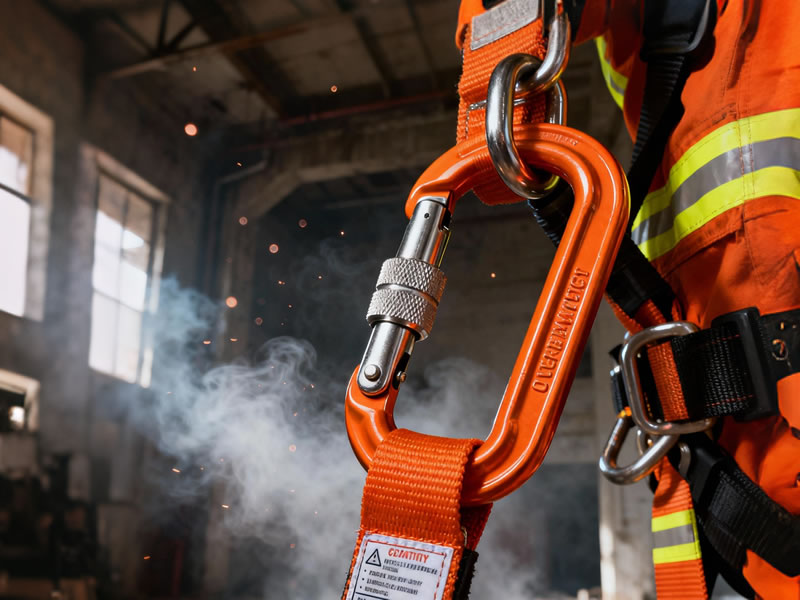
The Gold Standard: NFPA 1983 Certification
In North America, carabiners for fire and rescue applications must comply with NFPA 1983: Standard on Life Safety Rope and Equipment for Emergency Services. This standard establishes rigorous requirements that far exceed those for recreational climbing gear:
- Minimum Breaking Strength: NFPA requires a minimum major axis strength of 27 kN (approx. 6,070 lbf), significantly higher than the 20-25 kN standard for climbing carabiners
- Gate Strength: Must withstand at least 7 kN (1,574 lbf) in the open position and 11 kN (2,472 lbf) when cross-loaded
- Materials Testing: Components must demonstrate heat resistance and durability under conditions simulating actual fireground use
Critical Design Features for Rescue Operations
1. Locking Mechanisms: Beyond Basic Security
- Triple-Action Auto-Locks: The industry standard for technical rescue, requiring three distinct motions to open (typically unscrew, depress, then pivot). This prevents accidental opening when dragged over surfaces or bumped against equipment
- Screw-Gate Alternatives: While some departments use heavy-duty screw-gate carabiners, the trend favors auto-locking designs that eliminate human error in high-stress situations
2. Materials and Construction
- Stainless Steel Dominance: Most rescue carabiners utilize stainless steel for its corrosion resistance, heat tolerance, and durability when exposed to abrasive surfaces like concrete
- High-Strength Aluminum Alloys: Some technical rescue teams employ aluminum carabiners where weight is a concern, though these typically feature thicker spines and gates than recreational models
3. Ergonomic and Functional Design
- Oversized Operation Handles: Designed for easy manipulation with gloved hands, even in wet or icy conditions
- High-Visibility Finishes: Many models feature bright anodized colors or reflective elements for low-light identification
- Smooth, Rounded Profiles: Prevent snagging on equipment and reduce rope wear during complex rigging operations
Application-Specific Considerations
For Fire Service:
- Structural Operations: Large, steel auto-locking carabiners for harness connections, ladder belts, and personal safety systems
- Rapid Intervention: Dedicated carabiners for RIT packs, often color-coded and pre-rigged for immediate deployment
- High-Temperature Environments: Special consideration for materials that maintain strength when exposed to elevated temperatures
For Technical Rescue:
- High-Angle Operations: Multiple configurations including main connections, belay systems, and mechanical advantage systems
- Water Rescue: Corrosion-resistant models with secure locking mechanisms that won't fail if submerged
- Confined Space: Compact designs that won't snag while still providing required strength ratings
Maintenance and Inspection Protocols
The demanding nature of rescue work necessitates rigorous equipment management:
- Pre-Use Inspection: Visual and tactile examination for cracks, corrosion, gate malfunction, or surface irregularities
- Documented Logging: Tracking each carabiner's service history, exposure to impacts, and retirement dates
- Decontamination Procedures: Proper cleaning after exposure to bloodborne pathogens, chemicals, or saltwater
- Retirement Criteria: Immediate removal from service following any impact load, exposure to extreme heat, or visible deformation
Leading Brands and Models
Reputable manufacturers like CMC Rescue, PMI, and DBI-SALA specialize in NFPA-compliant carabiners designed specifically for rescue applications. Models such as the CMC Rescue Triple-Lock and DBI-SALA Auto-Lock represent the current industry standard, featuring the robust construction and reliable operation that rescue professionals depend on.
Conclusion
For firefighter and rescue teams, the choice of carabiner represents a fundamental commitment to safety and operational effectiveness. The selection of NFPA 1983-compliant, auto-locking carabiners from reputable manufacturers, combined with rigorous maintenance protocols and comprehensive training, creates a foundation for successful rescue outcomes. In an environment where equipment failure can have tragic consequences, investing in purpose-built rescue carabiners and the knowledge to use them properly is not just best practice - it's a professional obligation that honors the sacred trust between rescuers and those they serve.




