




Best trekking poles for rocky and uneven terrain
Navigating rocky, uneven terrain presents unique challenges that demand specialized trekking poles. While any pole provides some benefit, the right equipment can mean the difference between confident stability and potential injury on technical trails. The constant impact against rocks, variable angles of contact, and need for immediate, reliable support require poles built with specific materials and features that can withstand these demanding conditions while providing optimal performance.
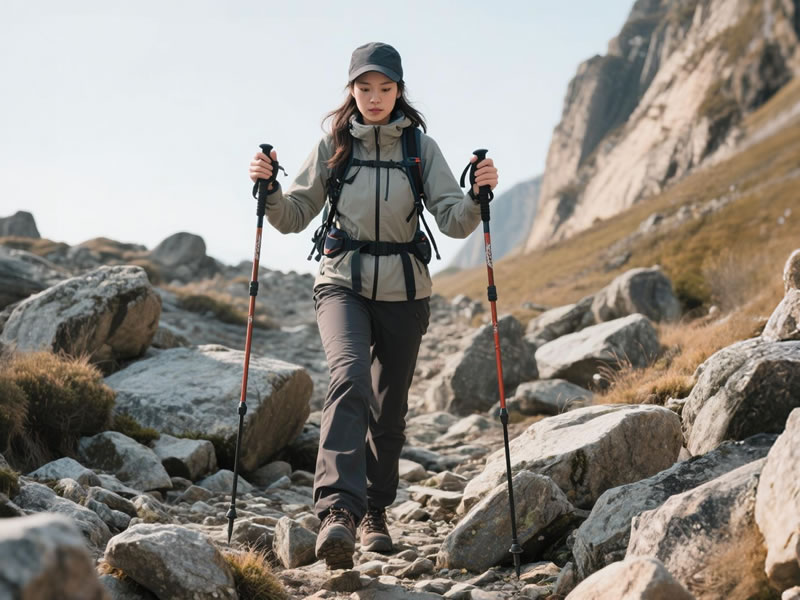
Recommended trekking pole purchase link: https://s.click.aliexpress.com/e/_c4M7OWaN
Critical Features for Technical Terrain
When evaluating trekking poles for rocky environments, several features become non-negotiable:
- Durable Construction Materials: The constant impact against rocks demands exceptional strength. While carbon fiber poles offer lightweight performance, aluminum poles (particularly 7075-grade aluminum) generally provide better impact resistance and are more likely to bend rather than snap under sudden stress. Brands like Black Diamond use these robust aluminum alloys in models like the Trail Pro specifically for demanding conditions.
- Reliable Locking Mechanisms: This is arguably the most crucial feature for safety on uneven ground. External lever locks (such as Black Diamond's FlickLock or LEKI's SpeedLock) provide visible, secure closure that's less likely to fail when you need support most. Unlike twist locks that can slip under heavy loads or in cold conditions, lever locks maintain consistent tension and are easily adjustable even with gloves on.
- Superior Grip and Tip Design: On rocky surfaces, traction is paramount. Look for poles with tungsten carbide tips that bite into rock surfaces without wearing down quickly. The tip geometry should provide multiple contact points for stability on angled surfaces. Additionally, comfortable grips that reduce vibration transmission are essential for long descents over rocky terrain.
Material Comparison: Aluminum vs. Carbon Fiber
The choice between aluminum and carbon fiber represents a fundamental trade-off between durability and weight:
Aluminum Advantages:
- Better impact resistance against rocks
- More likely to bend rather than break completely
- Generally more affordable for comparable strength
- Performs consistently in temperature extremes
Carbon Fiber Advantages:
- Lighter weight reduces arm fatigue over long distances
- Better vibration damping for comfortable handling
- Excellent strength-to-weight ratio for straight-line loads
For consistently rocky terrain, aluminum's impact resistance often makes it the safer choice, though high-quality carbon fiber poles from reputable brands can perform well when used by experienced hikers.
Top Recommendations for Rocky Terrain
Based on performance in demanding conditions, several models stand out:
- Black Diamond Trail Pro: These aluminum poles set the standard for durability with their 7075 aluminum construction and secure FlickLock Pro adjustment system. The contoured foam grips remain comfortable during extended use, while the tungsten carbide tips provide reliable traction on slick rock surfaces.
- LEKI Micro Vario Carbon: For those preferring carbon fiber, these poles offer an excellent balance of light weight and reliable performance. The external SpeedLock adjustment provides security equal to aluminum models, while the carbon construction reduces vibration transmission significantly.
- Komperdell C3 Powerlock Aluminum: Featuring a unique triple-section construction and robust locking mechanism, these Austrian-made poles are specifically engineered for alpine conditions and rough terrain. The included powder baskets can be swapped for standard baskets depending on conditions.
- REI Co-op Traverse Power Lock: Offering exceptional value, these poles come in both aluminum and carbon options with reliable lever locks and comfortable cork grips that mold to your hands over time.
Technique and Maintenance for Rough Terrain
Even the best poles require proper technique and care:
- Adjustment Strategy: Shorten poles for uphill sections and lengthen them for descents to maintain optimal leverage and balance. On traverses across slopes, adjust the uphill pole shorter and downhill pole longer for better stability.
- Proper Placement: Plant your poles slightly forward and away from your body, ensuring the tip contacts stable rock rather than loose scree. Listen for the solid "tap" indicating good contact versus the scraping sound of unstable placement.
- Regular Maintenance: Inspect poles after each rocky hike for cracks, dents, or bending. Clean locking mechanisms of dirt and debris that could compromise function. Check tips regularly and replace when worn beyond effective gripping capability.
- Carry Replacement Parts: Always carry extra tips and baskets, as these wear components frequently need replacement when used extensively on rock.
Conclusion
Selecting the best trekking poles for rocky and uneven terrain requires prioritizing durability, reliable locking mechanisms, and superior traction above pure weight savings. While aluminum poles generally offer the most practical solution for consistently technical terrain, high-quality carbon fiber models can serve experienced hikers well. The investment in purpose-built poles for challenging conditions pays dividends in increased stability, reduced fatigue, and enhanced safety when every step matters. Remember that the most expensive poles aren't necessarily the best for your specific needs—focus on the features that matter most in the environments you frequent, and your poles will become trusted companions on even the most demanding trails.




