




Best Trekking Poles for People with Knee Problems
For outdoor enthusiasts managing knee pain, trekking poles transform from optional gear into essential mobility aids. Scientific studies confirm that using trekking poles can reduce compressive forces on knees by up to 25%, making them one of the most effective tools for maintaining an active hiking lifestyle while managing joint discomfort. This comprehensive guide explores the specific features that make certain poles particularly beneficial for sensitive knees.
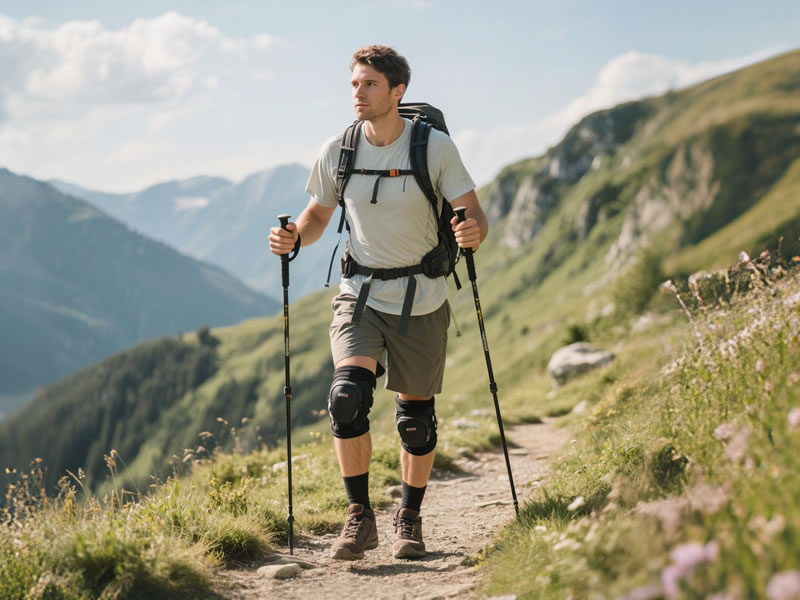
Recommended trekking pole purchase link: https://s.click.aliexpress.com/e/_c4M7OWaN
Understanding the Biomechanical Benefits
The value of trekking poles for knee sufferers extends beyond simple balance support. Properly used poles create a fundamental shift in how your body interacts with the trail:
- Impact Distribution: During descents, poles absorb and redirect forces that would otherwise travel directly through your knee joints. This is particularly crucial when carrying backpack weight, which multiplies the stress on vulnerable cartilage.
- Muscle Engagement: By engaging your upper body, core, and arm muscles, poles reduce the workload on your quadriceps and calves. This decreased muscular fatigue directly correlates to better knee joint stabilization throughout your hike.
- Improved Stability: For those whose knee issues include instability or weakness, four points of contact with the ground significantly reduces stumble risk and the sudden, jarring movements that often exacerbate knee pain.
Critical Features for Knee Protection
When selecting poles specifically for knee preservation, these engineering features make a measurable difference:
1. Advanced Shock Absorption Systems
While all poles offer some impact reduction, models with integrated suspension systems provide superior protection. These systems, often featuring internal springs or flexible segments, compress upon planting the pole, cushioning the shock before it travels up your arms to your shoulders. This technology is particularly valuable during prolonged descents where cumulative impact causes the most discomfort.
2. Optimal Weight and Material Balance
The ideal pole combines sufficient stiffness with vibration damping. Carbon fiber models excel here, as their natural material properties help dissipate trail vibration that can contribute to joint fatigue. However, high-quality 7075 aluminum poles with built-in shock absorbers also perform exceptionally well, often at a more accessible price point.
3. Ergonomic Grip Design
Knee-friendly hiking requires poles that feel like natural extensions of your body. Look for contoured grips that position your hands comfortably without requiring excessive grip strength. Cork remains a top choice as it molds to your hand shape over time, while advanced EVA foam provides cushioning that reduces strain on hand and wrist joints—particularly important for those whose knee issues relate to broader musculoskeletal conditions.
4. Reliable Adjustment Mechanisms
Proper pole length is crucial for effective knee relief. External lever locks provide the secure, easily adjustable platform needed to quickly modify length when transitioning between ascents and descents. This immediate adjustability ensures you maintain optimal posture and biomechanical advantage throughout elevation changes.
5. Strategic Length Considerations
For maximum knee protection on declines, many physical therapists recommend setting poles 5-10cm longer than standard hiking length. This allows you to plant poles downhill before your weight-bearing step, creating a supported "triangulation" that significantly unweights the knees.
Recommended Usage Techniques
The best poles only deliver benefits when used correctly. Focus on maintaining a natural rhythm where the opposite arm and leg move together. Plant the pole firmly before your foot lands, allowing your body weight to transfer partially through your arms. On steep descents, shorten your stride and use pole placement to control your descent speed rather than relying solely on quadricep braking.
Top Recommendations and Final Thoughts
Leading brands offering specialized shock-absorbing models include Leki with their Micro Vario Carbon system, Black Diamond with their Suspension Technology, and Komperdell with their Power Lock shock absorbers. While individual preference varies, prioritizing shock absorption, comfortable grips, and easy adjustability will deliver the greatest knee protection.
Investing in the right trekking poles represents one of the most effective strategies for managing knee pain on the trail. By reducing impact, improving stability, and redistributing workload, quality poles can literally be the difference between abandoning a beloved activity and continuing to explore the outdoors with comfort and confidence.




