




What to look for when buying the best trekking poles?
Selecting the right trekking poles can significantly enhance your hiking experience, providing stability, reducing joint impact, and improving endurance. However, with numerous options available, knowing what features to prioritize can be challenging. The best trekking poles for you will depend on your hiking style, typical terrain, and personal preferences. By understanding the key elements of pole design, you can make an informed decision that matches your needs and budget.
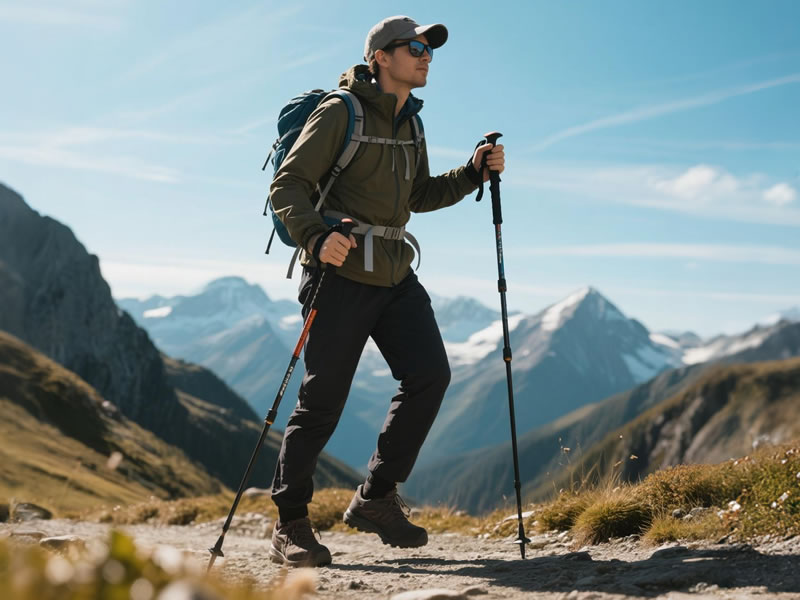
Recommended trekking pole purchase link: https://s.click.aliexpress.com/e/_c4M7OWaN
Material: Aluminum vs. Carbon Fiber
The choice between aluminum and carbon fiber is fundamental. Aluminum poles, particularly those made from 7075-grade aluminum, offer exceptional durability and are less expensive. They can withstand rough use and tend to bend rather than break under stress. Carbon fiber poles are lighter and better at dampening trail vibration, reducing arm fatigue over long distances. However, they're more prone to snapping under sharp impacts or side pressure. For most hikers, aluminum provides the best balance of durability and value, while carbon fiber excels for weight-conscious long-distance trekkers.
Adjustability and Locking Mechanisms
Telescoping poles with adjustable sections offer versatility for varying terrain. Look for poles with at least two adjustable sections and a reliable locking system. External lever locks (like FlickLock or SpeedLock) are generally more secure and easier to adjust than twist locks, especially with cold or wet hands. Foldable Z-poles sacrifice adjustability for lightweight packability, making them ideal for fastpacking but less suitable for situations where you might need to frequently adjust pole length.
Grip Design and Comfort
The grip material significantly impacts comfort, especially on longer hikes. Cork grips mold to your hands over time and effectively wick moisture. Foam grips offer excellent cushioning and sweat absorption. Rubber grips provide good insulation in cold weather but can become slippery when wet. Additionally, consider poles with extended grip areas or lower shaft grips, which allow for different hand positions during ascents and descents.
Additional Features to Consider
- Baskets: Smaller baskets work well for most trail hiking, while larger baskets are essential for snow travel
- Tips: Tungsten carbide tips provide superior durability and traction on rocky surfaces
- Shock absorption: Some poles feature internal spring systems that reduce impact on descents
- Weight: Lighter poles reduce arm fatigue but often come with a higher price tag
- Pack size: Foldable poles typically pack smaller than telescoping models
Matching Poles to Your Needs
Consider your primary use case when selecting poles. For day hiking, adjustable aluminum poles with comfortable grips offer great versatility. Backpackers carrying heavy loads should prioritize durable construction and reliable locking mechanisms. Technical terrain demands secure tips and robust construction, while long-distance hikers will appreciate lightweight materials and vibration damping.
Testing and Fit
When possible, test poles before purchasing. Your elbow should form approximately a 90-degree angle when holding the pole with the tip on the ground. Ensure the grips feel comfortable in your hands and the locking mechanisms operate smoothly. Remember that the most expensive poles aren't necessarily the best for your specific needs - focus on the features that matter most for your hiking style.
By carefully considering these factors, you can select trekking poles that will provide reliable support and enhance your comfort on the trail for years to come.




