




Carbon Fiber vs. Aluminum Trekking Poles: Which is Better?
The debate between carbon fiber and aluminum trekking poles represents one of the most fundamental decisions in hiking gear selection. While both materials create functional poles, their performance characteristics differ significantly, making each better suited for particular hiking styles and priorities. Understanding these differences goes beyond simple weight comparisons to encompass durability, vibration damping, and how each material behaves under stress in real-world trail conditions.
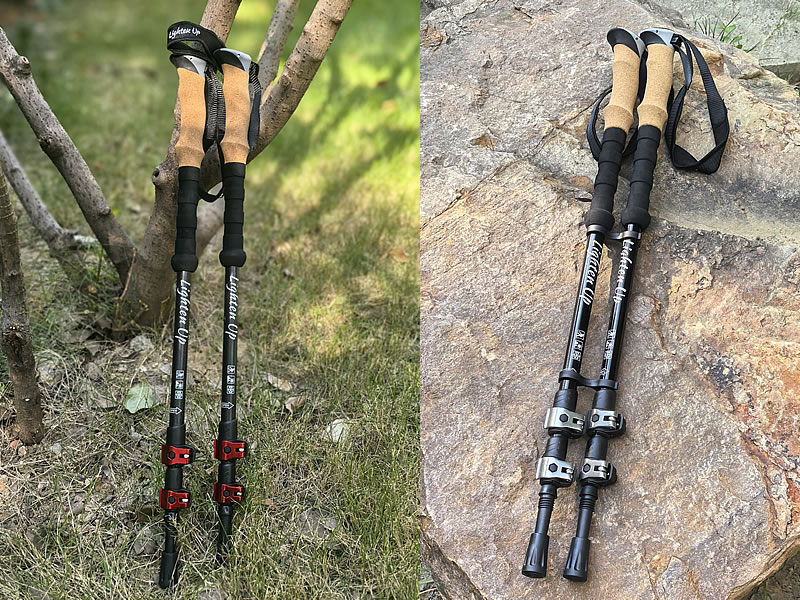
Recommended trekking pole purchase link: https://s.click.aliexpress.com/e/_c4M7OWaN
The Weight and Performance Advantage of Carbon Fiber
Carbon fiber poles consistently win in weight comparisons, typically weighing 20-30% less than comparable aluminum models. This weight reduction becomes increasingly valuable on long-distance hikes where every ounce matters, significantly reducing the "swing weight" with each pole plant and conserving energy over thousands of repetitions. More importantly, carbon fiber's composite structure provides superior vibration damping, absorbing high-frequency trail vibrations that can travel up the poles and contribute to hand and arm fatigue during extended descents or on rocky terrain.
However, carbon fiber's performance comes with notable trade-offs. The manufacturing process for quality carbon fiber is more complex, resulting in higher prices—often 30-50% more than comparable aluminum poles. More critically, carbon fiber's structural properties make it more susceptible to catastrophic failure. While excellent at handling compressive forces along its length, carbon fiber can fracture or splinter under sharp impacts from the side, particularly against rocks or when accidentally stepped on. This failure mode is generally not field-repairable, rendering the pole useless.
The Durability and Value Proposition of Aluminum
Aluminum poles, particularly those made from 7075-grade aluminum used in premium models, offer exceptional durability and impact resistance. Aluminum's metal properties allow it to bend rather than break under stresses that would fracture carbon fiber, and bent poles can often be straightened sufficiently to remain functional until replacement. This predictable failure mode makes aluminum poles particularly valuable in remote settings or technical terrain where equipment failure could have serious consequences.
The cost advantage of aluminum is significant, with quality options available at nearly every price point. While aluminum transmits more trail vibration than carbon fiber, many hikers find this difference negligible, particularly with ergonomic grips and proper technique. The primary drawback remains weight—the additional ounces become noticeable on long ascents and over multi-day trips where cumulative energy expenditure matters.
Specific Applications Where Each Excels
Your ideal choice depends heavily on your primary hiking activities:
Choose Carbon Fiber For:
- Long-distance thru-hiking and fastpacking where weight savings are paramount
- Hikers with joint concerns who benefit from reduced vibration transmission
- Well-maintained trails where side impacts are less likely
- Situations where budget is secondary to performance
Choose Aluminum For:
- Rough, off-trail travel and scrambles where impacts are frequent
- Winter hiking with snow baskets where poles encounter hidden obstacles
- Heavy backpacking loads where maximum durability is essential
- Budget-conscious hikers seeking reliable performance
- Beginners developing technique who might be rougher on equipment
The Quality Factor Within Each Material Category
It's crucial to recognize that significant quality variations exist within both material categories. A poorly constructed carbon fiber pole with thin walls and inadequate resin may be dangerously fragile, while a high-quality aluminum pole using aerospace-grade alloys can rival the weight of entry-level carbon models without sacrificing strength. Similarly, locking mechanisms, grip materials, and tip quality often matter more in daily use than the marginal differences between materials.
Making Your Decision: A Practical Framework
Rather than seeking a universal "best" material, consider these questions:
- What percentage of my hiking involves rough, rocky terrain versus maintained trails?
- How much weight am I typically carrying?
- What is my budget for this purchase?
- How do I value long-term durability versus immediate weight savings?
For most recreational hikers covering mixed terrain with moderate loads, quality aluminum poles offer the best balance of performance, durability, and value. Serious long-distance hikers and weight-conscious enthusiasts will likely prefer carbon fiber's advantages despite the higher cost and careful handling required.
Conclusion
The carbon fiber versus aluminum debate ultimately reveals that "better" depends entirely on context. Carbon fiber provides measurable performance benefits for weight-conscious hikers on established trails, while aluminum offers proven reliability and value for rough terrain and heavy loads. Your hiking style, terrain preferences, and budget should guide your decision rather than abstract material superiority. By honestly assessing how and where you hike most frequently, you can select the material that genuinely enhances your time on the trail while providing years of reliable service.




