




Best Trekking Poles with Ergonomic Grips (Cork vs. Foam)
The connection between your hands and your trekking poles is perhaps the most critical interface in determining your comfort on the trail. While shaft material and locking mechanisms are important, it's the grips that you physically feel with every step. The debate between cork and foam grips isn't about which is objectively better, but which is better for you—your physiology, your hiking style, and the environments you frequent. Understanding the distinct properties of each material will lead you to poles that feel less like tools and more like natural extensions of your arms.
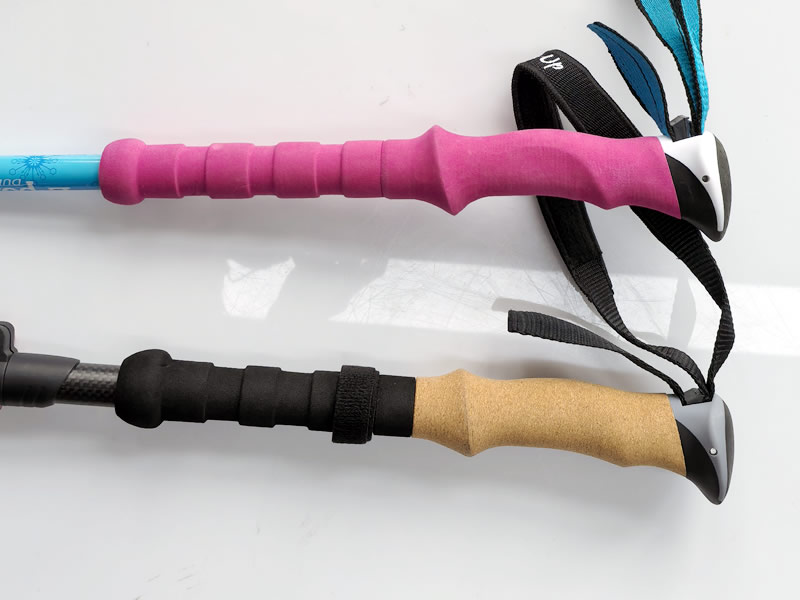
Recommended trekking pole purchase link: https://s.click.aliexpress.com/e/_c4M7OWaN
Cork Grips: The Naturally Adaptive Performer
Cork grips are made from a composite of ground cork particles and a polymer binder, creating a material with unique properties that have made it a long-time favorite among distance hikers.
- The Molding Advantage: The most celebrated feature of cork is its ability to slowly mold to the specific shape of your hand over time. This creates a custom fit that distributes pressure evenly across your palm, significantly reducing hot spots and fatigue on multi-day trips. This adaptive quality is particularly beneficial for hikers with pre-existing hand conditions like arthritis or carpal tunnel.
- Temperature and Moisture Management: Cork is a natural insulator, feeling neither excessively hot in direct sun nor unpleasantly cold in chilly conditions. More importantly, it's highly hydrophobic—it doesn't absorb sweat but instead wicks it away, maintaining a secure, non-slippery grip even when your hands are damp. This makes cork an outstanding choice for humid climates or for hikers who tend to have sweaty hands.
- Durability and Longevity: High-quality cork grips are remarkably durable. They resist degradation from UV exposure and don't compress permanently over time like foam can. With proper care, they will maintain their shape and performance characteristics for thousands of miles.
Foam Grips: The Cushioned Comfort Choice
Modern foam grips, typically made from EVA (ethylene-vinyl acetate) foam, offer a different set of benefits that appeal to many hikers, especially those focused on comfort and vibration damping.
- Immediate Comfort and Cushioning: Unlike cork, which requires a break-in period, foam grips provide instant, plush comfort from the very first use. The high cushioning factor is exceptionally good at absorbing high-frequency trail vibrations, which can reduce hand and forearm fatigue on long, rocky descents. This makes foam a top choice for hikers with joint sensitivity in their wrists or elbows.
- Superior Sweat Absorption: While cork wicks moisture, foam actively absorbs it. For some hikers, this creates a more secure feeling, as the foam develops a slightly tacky grip when wet. However, in consistently wet conditions or on very long, sweaty days, foam grips can become saturated, which is their primary drawback.
- Lightweight and Consistent Performance: EVA foam is extremely lightweight, contributing to an overall lighter pole. It also performs consistently across a wide temperature range and doesn't become slippery when wet, unlike some lower-quality rubber grips.
Head-to-Head Comparison: Making Your Choice
| Feature | Cork Grips | Foam Grips |
|---|---|---|
| Break-in Period | Requires time to mold to your hand | Provides immediate comfort |
| Moisture Handling | Wicks sweat; feels dry | Absorbs sweat; can feel damp when saturated |
| Cushioning | Firm, supportive | Soft, plush |
| Durability | Excellent; maintains shape over time | Good, but can compress and degrade with heavy use |
| Best For | Long-distance hiking, humid conditions, customized fit | Maximum comfort, vibration damping, sweaty hands |
Top Recommendations with Premium Grips
- Best Cork Grips: REI Co-op Traverse Power Lock - These poles feature high-quality cork that molds beautifully to the hand. The ergonomic shape provides excellent support for the palm, and the reliable lever locks make them a fantastic all-around value.
- Best Foam Grips: Black Diamond Trail Pro - BD's "Flow" contoured foam grips are widely considered some of the most comfortable in the industry. The ergonomic shaping reduces pressure points, and the foam provides exceptional cushioning on demanding descents.
- Premium Hybrid Option: LEKI Micro Vario Carbon - Some LEKI models feature a clever combination of a cork upper grip with a foam lower grip, giving you the best of both worlds for different hand positions.
Conclusion: Let Your Hands Decide
The choice between cork and foam is deeply personal and should be guided by how your hands interact with the trail. If you value a material that adapts to you over time, excels in moisture management, and offers long-term durability, cork is your champion. It's the choice of many thru-hikers for its consistent performance over thousands of miles.
If your priority is immediate, plush comfort, superior vibration damping, and a secure grip even when sweaty, foam will serve you beautifully. It's often the preferred choice for day hikers and those who value comfort above all else.
The best advice is to visit a reputable outdoor retailer and spend time holding poles with both types of grips. Notice how each feels in your hand, how your fingers naturally curl around them, and which material gives you the most confidence. Your hands will tell you which partnership will make your next adventure more comfortable and enjoyable. After all, the best grips are the ones you don't have to think about—they just feel right.




