




How to Choose the Correct Length for Trekking Poles?
Selecting the correct length for your trekking poles is one of the most critical decisions you'll make when purchasing this essential hiking equipment. Properly sized poles enhance stability, improve propulsion, and reduce joint impact, while incorrectly sized poles can lead to shoulder strain, inefficient movement, and even increased fall risk. Understanding the principles behind pole length calculation and adjustment will ensure you get the maximum benefit from your poles across various terrains and conditions.
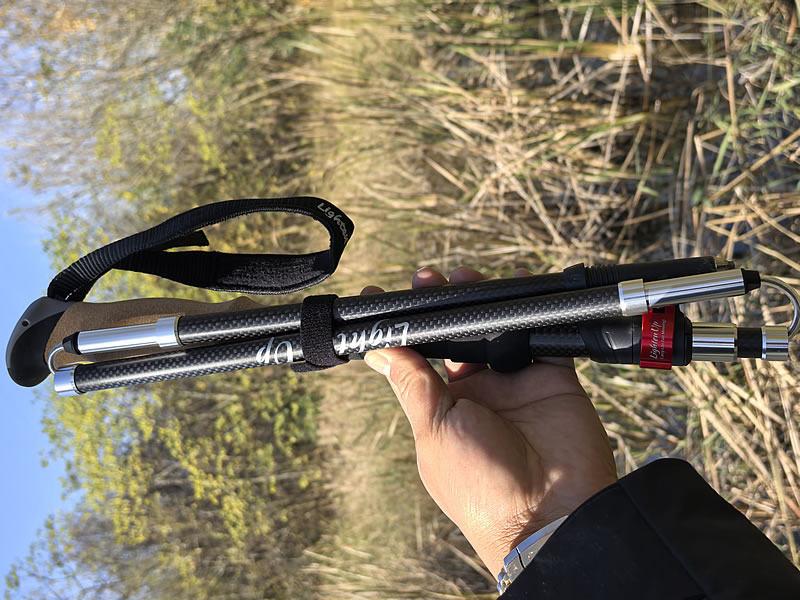
Recommended trekking pole purchase link: https://s.click.aliexpress.com/e/_c4M7OWaN
The Foundation: The 90-Degree Elbow Rule
The universally accepted starting point for determining proper pole length is the 90-degree elbow rule. Here's how to apply it correctly:
- Wear your typical hiking shoes to account for sole height
- Stand upright on a level surface with your shoulders relaxed
- Hold the poles with tips touching the ground directly beside your feet
- Adjust the pole length until your elbows form perfect 90-degree angles
This position creates an optimal biomechanical relationship between your arms and the poles, allowing for efficient power transfer during the poling motion. When your poles are this length on flat ground, you'll naturally plant them at the correct distance ahead of your body as you walk, creating a smooth, rhythmic walking pattern.
Advanced Sizing Considerations
While the 90-degree rule provides an excellent baseline, several additional factors should influence your final decision:
- Torso-to-Leg Ratio: People with longer torsos and shorter legs may need slightly longer poles than the standard formula suggests, while those with shorter torsos and longer legs might prefer slightly shorter poles.
- Hiking Style: Aggressive hikers who power up hills using their poles might prefer slightly shorter lengths for better leverage, while those focusing primarily on downhill stability might opt for slightly longer poles.
- Flexibility: Less flexible hikers often benefit from slightly shorter poles that don't require full arm extension, reducing shoulder strain.
Terrain-Specific Adjustments
One of the primary advantages of adjustable trekking poles is the ability to modify length based on terrain:
- Uphill Sections: Shorten your poles by 5-10 cm (2-4 inches) when climbing. This maintains proper elbow angle despite the inclined surface and positions the poles for more effective pushing power.
- Downhill Sections: Lengthen your poles by 5-10 cm (2-4 inches) when descending. The extra length helps you maintain an upright posture while reaching down to plant poles on the trail below, significantly reducing impact on your knees.
- Side Hills: When traversing slopes, shorten your uphill pole and lengthen your downhill pole for better stability and comfort.
Measurement Methods for Different Pole Types
The approach varies depending on whether you're considering fixed-length or adjustable poles:
- For Adjustable Poles: Use the 90-degree method described above, then practice making quick adjustments for ascents and descents. Quality adjustable poles feature clearly marked measurement systems that make these terrain transitions simple.
- For Fixed-Length (Z-Poles): These require more precise initial sizing. Many manufacturers provide height-based sizing charts, but these should be used as guidelines rather than absolute rules. If possible, test fixed-length poles before purchasing to ensure the fit feels natural.
Special Considerations for Different Users
- Snowshoeing: When wearing snowshoes, you're effectively standing several inches higher. Add 5-8 cm (2-3 inches) to your normal trekking pole length to compensate.
- Nordic Walking: This specific technique typically uses longer poles than standard hiking—often resulting in elbow angles of 100-110 degrees rather than 90 degrees.
- Recovery from Injury: Those using poles for rehabilitation may need customized lengths based on their specific physical limitations and recovery goals.
Practical Fitting Exercise
Visit your local outdoor retailer and perform this simple test:
- Set the poles to your calculated starting length
- Grip the handles naturally without straining
- Walk around the store mimicking your natural hiking motion
- Notice if you're hunching your shoulders (poles too long) or bending your wrists awkwardly (poles too short)
- Make minor adjustments until the motion feels completely natural
Troubleshooting Common Length Problems
Even with proper measurement, you might encounter these issues:
- Shoulder Pain: Often indicates poles that are too long, causing you to hike with shrugged shoulders.
- Wrist Discomfort: Frequently results from poles that are too short, forcing awkward wrist angles during planting.
- Inefficient Propulsion: Can stem from either extreme—poles that are too long prevent proper arm swing, while poles that are too short don't provide adequate pushing power.
The Importance of Practice and Fine-Tuning
Your perfect pole length isn't a static number—it's a range that changes with terrain, load, and even fatigue level. Spend time with your new poles on various trails, experimenting with different lengths until you develop an intuitive sense of what feels right in different situations. Many experienced hikers can adjust their poles without looking, based solely on how the length feels in their hands.
Remember that the goal isn't to find one perfect measurement, but rather to understand the principles of proper pole fitting so you can adapt to whatever the trail presents. With correctly sized trekking poles, you'll transform your hiking experience—covering more ground with less effort while protecting your joints for many future adventures.




