




How to Use Trekking Poles Correctly for Efficiency
Trekking poles are among the most underutilized tools in outdoor recreation. While many hikers understand their basic function for stability, few master the techniques that transform these simple sticks into powerful efficiency multipliers. Proper pole use can reduce lower body impact by up to 25%, decrease overall energy expenditure by nearly 20%, and significantly improve endurance on long trails. The difference between simply carrying poles and using them correctly lies in understanding the biomechanics of efficient movement and adapting your technique to varying terrain conditions.
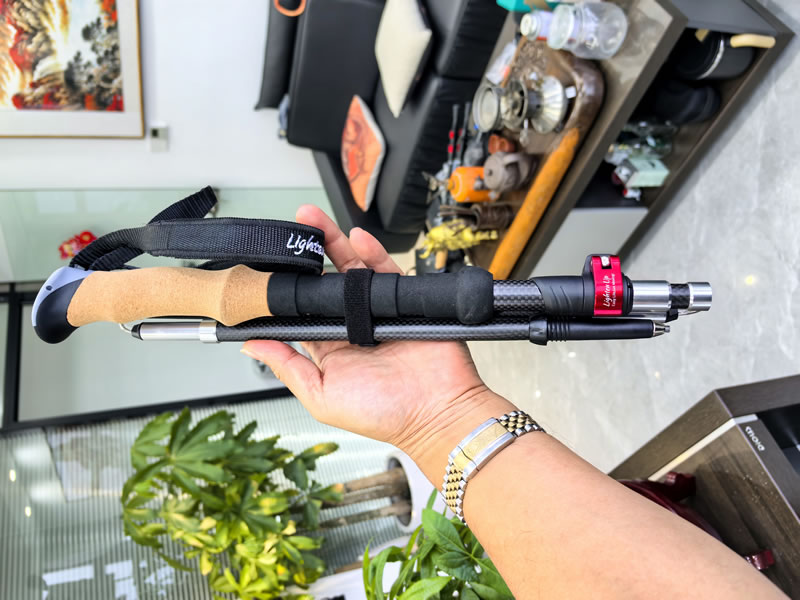
Recommended trekking pole purchase link: https://s.click.aliexpress.com/e/_c4M7OWaN
The Fundamentals of Proper Grip and Strap Usage
Most hikers make the critical mistake of gripping their poles too tightly, which wastes energy and causes premature forearm fatigue. The correct approach involves a relaxed grip where your hands gently cradle the poles rather than clenching them. Your thumb and index finger should form a loose "OK" sign around the grip, with remaining fingers resting lightly.
The secret to efficient pole use lies in the straps, which most people use incorrectly. Instead of sliding your hand up through the strap from below, create a loop by placing your hand up through the bottom of the strap, then grasping the grip with the strap lying between your thumb and index finger. This technique allows you to transfer weight through your palms and wrists rather than your fingers, enabling you to push down on the poles with an open hand during the power phase of your stride. This simple adjustment alone can reduce grip fatigue by over 50% on long descents.
Mastering the Rhythm: Pole and Leg Synchronization
The core principle of efficient pole use is contralateral movement—moving opposite arms and legs in coordination. As your left foot steps forward, your right pole should plant simultaneously, and vice versa. This natural walking pattern creates a stable tripod with each step while engaging your core muscles and upper body to share the workload.
The planting motion should originate from your shoulder, not your wrist, with your forearm extending forward in a natural swinging motion. Plant the pole at a slight rearward angle, positioned approximately level with your opposite foot. As your body moves forward over the planted pole, apply downward pressure through the strap to propel yourself forward. The power phase continues until your hand reaches roughly your hip line, at which point you release pressure and begin the recovery swing forward.
Terrain-Specific Techniques for Maximum Efficiency
Uphill Technique:
On ascents, shorten your poles by 5-10 cm to maintain proper elbow angle. Focus on planting the pole firmly behind your center of gravity and pushing downward and slightly backward, effectively using your upper body to "climb" up the slope. The steeper the incline, the more vertical your pushing motion should become. On very steep sections, use a "double planting" technique where both poles plant simultaneously as you power upward with your legs.
Downhill Technique:
Lengthen your poles by 5-10 cm for descents to allow planting further ahead on the trail. This technique lets you test footing stability before committing your weight while reducing impact forces on your knees. Rather than braking with each step, focus on controlling your descent speed through rhythmic, controlled pole plants. Your poles should contact the ground just before your leading foot, creating a stable platform as you transfer weight forward.
Flat and Variable Terrain:
On level ground, maintain a consistent rhythm that matches your natural walking pace. When crossing streams or unstable surfaces, plant both poles securely before moving your feet. In muddy conditions, use wider basket attachments to prevent sinking and maintain propulsion.
Advanced Efficiency Strategies
Pole Loading:
Advanced hikers utilize a technique called "pole loading" where they apply body weight to the poles during the planting phase, effectively using them as temporary additional legs. This advanced method requires strong poles and good technique but can significantly reduce leg fatigue over long distances.
Breath Synchronization:
Coordinate your breathing with your pole rhythm, exhaling during the power phase of each plant. This technique improves oxygen efficiency and helps maintain a steady pace, particularly on strenuous ascents.
Cadence Management:
Vary your pole cadence based on trail conditions. On technical terrain, use shorter, quicker plants for maximum stability. On smooth trails, longer, more powerful strokes provide better propulsion.
Common Efficiency Mistakes to Avoid
- Overstriding: Planting poles too far forward disrupts rhythm and reduces power transfer
- Death Grip: Clenching handles tightly wastes energy and causes arm fatigue
- Improper Strap Use: Incorrect wrist strap technique prevents efficient weight transfer
- Inconsistent Rhythm: Breaking the contralateral pattern reduces stability and efficiency
- Fixed-Length Poles: Failing to adjust pole length for terrain changes compromises biomechanical efficiency
Developing Muscle Memory Through Practice
Efficient pole use requires developing unconscious competence through deliberate practice. Begin on easy, familiar trails where you can focus on technique without navigating significant challenges. Film yourself walking to identify inefficiencies in your form. Many hikers find that practicing without straps initially helps develop proper grip technique before reintroducing straps for advanced efficiency.
The Transition to Automatic Efficiency
With consistent practice, proper pole technique becomes automatic, transforming your hiking experience. You'll find yourself naturally adjusting length for terrain changes, varying your grip pressure instinctively, and maintaining perfect rhythm without conscious effort. This level of mastery turns trekking poles from external tools into extensions of your own body, creating a fluid, efficient movement system that conserves energy, reduces impact, and dramatically extends your range in the backcountry.
The journey to pole efficiency begins with understanding these fundamental principles, but true mastery comes through mindful practice on the trail. Start with one technique at a time—perhaps focusing first on proper strap usage, then progressing to rhythm and terrain adjustments. Within a few hikes, you'll notice significant improvements in your endurance, stability, and overall enjoyment of the hiking experience.




