




How to set up a tent with your trekking poles?
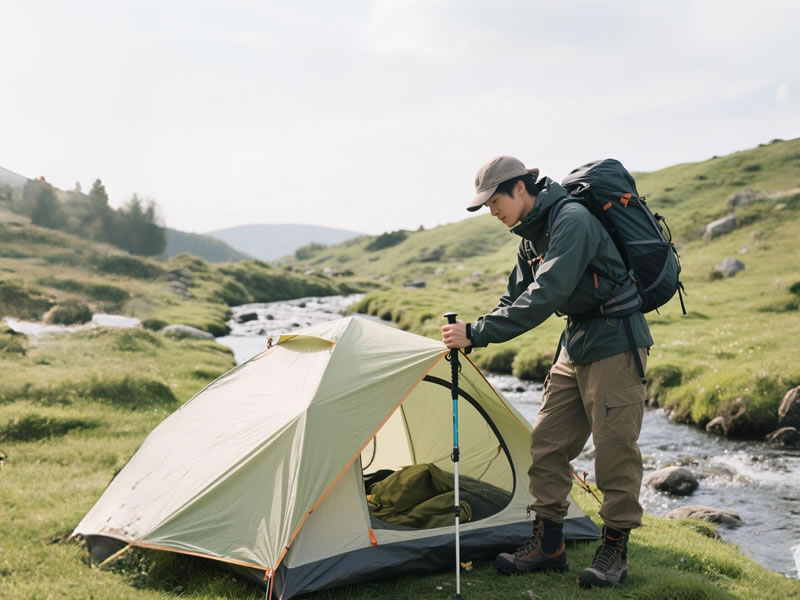
Ultralight backpacking has revolutionized outdoor adventures, and one of its most innovative practices is using trekking poles as tent supports. This method eliminates the weight of dedicated tent poles, potentially saving you pounds from your pack weight. However, mastering this setup requires specific knowledge to ensure your shelter remains stable and secure through wind and weather. Whether you own a dedicated trekking pole tent or want to adapt a traditional one, this comprehensive guide will walk you through the entire process.
Recommended trekking pole purchase link: https://s.click.aliexpress.com/e/_c4M7OWaN
Preparation: Before You Pitch
- Tent Compatibility: First, determine if your tent is designed for this purpose. Most modern ultralight shelters (from brands like Zpacks, Tarptent, and Six Moons Design) include a grommet, strap, or pocket at the peak specifically for a trekking pole tip. If not, you may need an aftermarket adapter.
- Pole Height Adjustment: This is the most critical step. Consult your tent's manual for the recommended pole height. If you don't have it, a good rule of thumb is to extend the poles so the tent's peak sits taut without over-stressing the fabric. For most A-frame or mid-style tents, this is typically between 45-55 inches (115-140 cm). Ensure all locking mechanisms (lever or twist) are fully secured.
- Site Selection: Choose a flat, level area clear of sharp rocks and debris. Orient the tent door away from the prevailing wind if possible.
The Step-by-Step Setup Process
Follow this method for a secure and stable pitch:
- Lay Out the Footprint/Tent: Spread your tent's footprint or the tent body itself on the ground, ensuring it's oriented correctly.
- Insert the Pole Tip: Locate the reinforced panel at the tent's peak. Carefully insert the tip of your adjusted trekking pole into the designated grommet, strap, or cup. For tents requiring an "internal pole" setup, you will place the pole inside the tent. For "external pole" designs, the pole remains outside, often pushing the tent fabric upward from the exterior.
- Raise the Structure: Gently lift the peak of the tent by raising your trekking pole. For a two-pole tent, have a partner assist or raise one side partially before completing the other. The goal is to get the structure standing upright without any sharp, forceful movements.
- Stake Out the Corners: Once the tent is upright, begin staking out the four corners. Start with the windward side (the side the wind is coming from) for immediate stability. Pull the guylines taut but don't apply maximum tension yet.
- Final Tensioning: This is the key to a storm-worthy pitch. Walk around the tent and sequentially tighten all guylines and corner stakes. The tent body should look smooth and taut, with no loose or flapping fabric. The trekking poles should be stable and not wobbling under the tension.
Pro Tips and Common Mistakes to Avoid
- Check the Tip: Ensure your trekking pole tip is not overly sharp, as it could puncture the tent fabric. Some manufacturers offer rubber trekking pole tip covers for this exact purpose.
- Stake Security: In soft ground, use deadman techniques (tying guylines to sticks or rocks buried underground) or specialized sand/snow stakes to ensure your anchors hold.
- Practice at Home: Never try this for the first time on the trail. Practice in your backyard or living room to become familiar with the process and the required pole height.
- Adapting a Standard Tent: With creativity, you can often use a trekking pole to prop up a traditional tent's vestibule for extra space or to reinforce the structure in high winds.
Mastering the art of pitching a tent with your trekking poles is a cornerstone of lightweight backpacking. It streamlines your gear, lightens your load, and deepens your connection with the minimalist philosophy of the trail.




