




Do I Need Hiking Poles? An Evidence-Based Guide to Making the Right Choice
If you’ve ever watched hikers gracefully navigating trails with poles and wondered, “Do I need those?” you’re not alone. While hiking poles (also called trekking poles) seem like optional gear, research and expert insights reveal they can transform your outdoor experience. From reducing joint stress to preventing injuries, here’s a comprehensive analysis to help you decide.
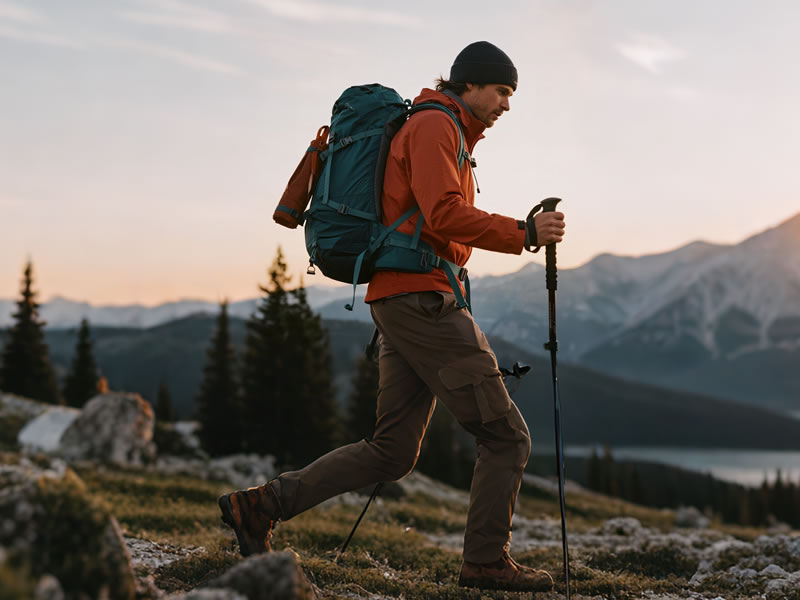
Recommended trekking pole purchase link: https://s.click.aliexpress.com/e/_c4M7OWaN
The Science-Backed Benefits of Hiking Poles
- Joint Protection and Injury PreventionStudies show hiking poles reduce pressure on knees by up to 22% during descents and lessen fatigue over long distances-4. By transferring weight to your upper body, they minimize cumulative strain on your lower joints, which is critical for repetitive activities like downhill hiking-1-10.In a study of mountain marathon runners, participants using poles experienced ~60% lower injury rates compared to non-users-10.
- Enhanced Stability and SafetyPoles provide four points of contact with the ground, dramatically improving balance on uneven terrain, river crossings, or loose surfaces like gravel and snow-4-6. This stability reduces slip-and-fall risks, especially when carrying a heavy backpack-5.
- Increased Endurance and Full-Body WorkoutBy engaging your arms, shoulders, and core, poles turn hiking into a full-body exercise. This distributes effort more evenly, conserving leg energy and allowing you to hike longer-1-9. Nordic walking (a two-pole technique) can boost calorie burn by 20–46% compared to regular walking-9.
- Versatility Beyond WalkingBeyond support, poles serve as emergency shelter frames, tools for clearing spiderwebs, or probes to test unstable ground-4-8.
Who Are Hiking Poles Most Useful For?
While nearly all hikers can benefit, poles are particularly valuable for:
- Knee or hip sufferers: Poles reduce impact forces, alleviating pain from arthritis or old injuries-6.
- Backpackers: Heavy packs shift your center of gravity; poles improve balance and reduce spinal load-5-10.
- Older hikers: Enhanced stability helps prevent falls while promoting joint health-6.
- Adventurers on technical terrain: Steep ascents/descents, stream crossings, and slippery trails become safer with pole support-3-10.
When Are Poles Less Necessary?
Poles may be optional if:
- You’re tackling short, flat trails with a light daypack.
- You prefer unencumbered movement on scrambles or climbs requiring hands-free flexibility-10.
- Your budget or packing space is limited (though compact poles address this-8).
Choosing the Right Poles: Key Features
If you decide to try poles, prioritize:
- Material:Aluminum: Durable and affordable (e.g., LEKI Sherpa models)-3. Ideal for rough terrain.Carbon fiber: Lighter and absorbs vibration better but less impact-resistant-4.
- Locking Mechanism:Lever locks: Secure and easy to adjust with gloves-3.Twist locks: Sleeker but can slip over time-4.
- Features:Ergonomic grips (cork vs. foam) for comfort-4.Interchangeable tips (carbide for trails, rubber "paws" for pavement)-3-5.
The Verdict: Should You Invest?
Hiking poles are far from a gimmick—they’re a tool for safety, longevity, and performance. If you regularly hike on uneven ground, carry weight, or seek to protect your joints, they’re a wise investment. Start with affordable models to test your preference, and focus on learning proper technique (e.g., adjusting length for inclines and using wrist straps correctly-1).
Final Takeaway: Don’t wait until knee pain strikes. Proactive use of poles can preserve your body’s resilience, empowering you to explore farther and with greater confidence.




