




Hiking Poles for Knee Pain: A Scientific Approach to Joint-Friendly Hiking
Knee pain doesn't have to end your hiking adventures. For millions of outdoor enthusiasts, hiking poles have become essential tools for managing joint discomfort and preventing further damage. Understanding how to properly utilize poles can transform your hiking experience, allowing you to conquer trails with significantly reduced pain and fatigue.
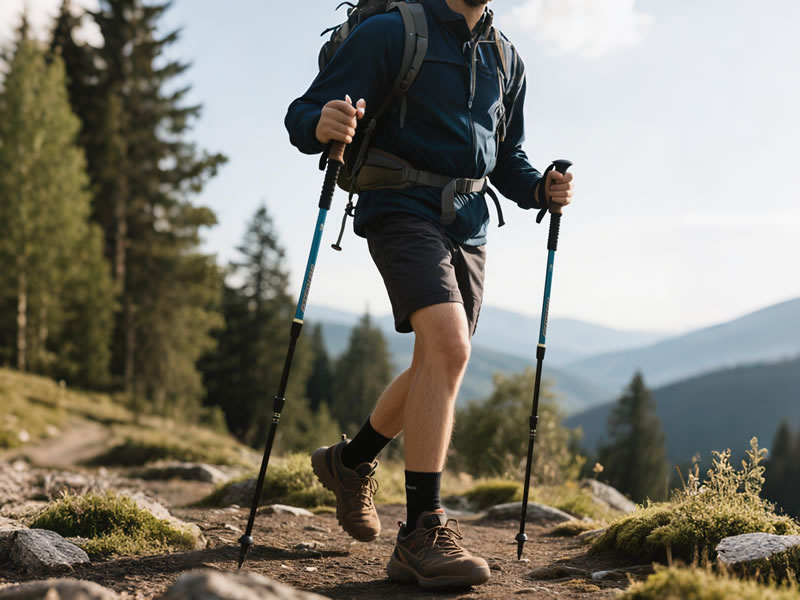
Recommended trekking pole purchase link: https://s.click.aliexpress.com/e/_c4M7OWaN
The Science Behind Pole Support
Research reveals compelling evidence for pole use in knee pain management:
Impact Reduction: Studies show trekking poles can reduce compressive forces on knees by up to 25-30% during descents. This translates to hundreds of pounds of reduced impact over a typical hike.
Weight Distribution: By engaging your upper body, poles effectively transfer load from your lower joints to your arms, shoulders, and back. This redistribution is particularly valuable for hikers with arthritis or previous knee injuries.
Biomechanical Advantages: Poles improve stability and alignment, reducing the twisting motions and lateral stresses that often exacerbate knee problems.
Choosing the Right Poles for Knee Support
Not all poles are equally effective for joint protection:
Shock Absorption Technology: Prioritize poles with integrated shock-absorbing systems. These internal springs compress on impact, further cushioning each step.
Material Considerations: While both aluminum and carbon fiber work well, carbon's natural vibration-dampening properties may provide additional comfort for sensitive joints.
Ergonomic Grips: Look for contoured grips that distribute pressure evenly across your palms, reducing hand fatigue during long descents where you'll be leaning heavily on the poles.
Proper Technique for Maximum Pain Relief
Simply carrying poles won't solve knee problems—correct usage is crucial:
Optimal Length Adjustment: On level ground, your elbows should form a 90-degree angle when gripping the poles. Shorten them slightly for uphill sections, and lengthen by 5-10 cm for descents to provide better support.
The Rhythm Method: Develop a natural opposite arm/leg rhythm (left pole strikes as right foot steps). This creates a stable, efficient motion pattern that minimizes joint stress.
Strategic Planting: Place poles slightly ahead and to the sides of your body, creating a stable "tripod" with your feet. On steep descents, plant poles firmly before committing your weight to the next step.
Specific Strategies for Different Knee Conditions
Arthritis Management: Use poles to reduce flare-ups by maintaining consistent, gentle motion rather than jarring movements. The reduced impact can mean the difference between completing a hike or cutting it short.
Post-Surgical Recovery: Many physical therapists recommend poles during the return to activity after knee surgery. They provide the confidence and support needed to gradually rebuild strength.
Preventative Care: Even without existing knee issues, poles serve as valuable preventative tools, particularly for hikers carrying heavy packs or regularly tackling challenging terrain.
Common Mistakes That Worsen Knee Pain
Over-reliance: While poles reduce impact, they shouldn't replace proper leg strength. Maintain a balanced fitness routine that includes knee-strengthening exercises.
Improper Length: Poles that are too long or short force compensatory movements that can actually increase joint stress.
Poor Timing: Planting poles too late or too early disrupts natural gait patterns, reducing their effectiveness.
Complementary Strategies for Comprehensive Management
Pair pole use with these approaches for optimal results:
Strength Training: Focus on quadriceps, hamstrings, and glute strengthening to better support knee joints.
Proper Footwear: Quality hiking shoes with adequate cushioning and support work synergistically with poles.
Weight Management: Each pound of body weight translates to approximately four pounds of pressure on knees during activity.
Gradual Progression: Increase trail difficulty slowly to allow joints to adapt to increased demands.
Recommended Pole Models for Knee Pain Sufferers
Black Diamond Trail Pro Shock: Features an innovative shock absorption system specifically designed to reduce impact.
LEKI Micro Vario Carbon: Combines carbon construction with an adjustable suspension system.
Komperdell Carbon Powerlock: Offers reliable locking mechanisms with effective vibration damping.
Real-World Success Stories
Many hikers with severe knee issues have returned to the trails through strategic pole use. From 65-year-old arthritis sufferers completing multi-day treks to post-ACL surgery patients rediscovering mountain summits, the consistent feedback is clear: proper pole technique can be life-changing for those with joint limitations.
Consultation and Professional Guidance
While hiking poles offer significant benefits, they're not a substitute for professional medical advice. Consult with your healthcare provider or physical therapist to develop a comprehensive approach to managing your knee health. Many sports medicine specialists now include pole training in their rehabilitation protocols.
The Bottom Line
Hiking poles represent one of the most effective, affordable, and accessible solutions for managing knee pain on the trails. By reducing impact, improving stability, and promoting better biomechanics, they enable hikers to continue pursuing their passion with greater comfort and confidence. Whether you're managing age-related arthritis, recovering from injury, or simply seeking to protect your joints for the long term, integrating poles into your hiking routine could be the most important step you take toward sustainable trail enjoyment.
Remember: The goal isn't just to reduce pain today, but to ensure you can continue hiking for years to come. With the right poles and proper technique, knee pain doesn't have to define your outdoor experience.




