




Best Trekking Poles for Arthritic Hands
For outdoor enthusiasts with arthritis, every step on the trail can be a delicate balance between the joy of nature and the reality of joint pain. The simple act of gripping a trekking pole can become a source of significant discomfort, turning a therapeutic activity into a painful ordeal. However, the right trekking poles can be transformative. By specifically addressing the needs of arthritic hands, wrists, and shoulders, they can reduce pain, improve stability, and restore confidence on the trail. This guide explores the key features to look for and highlights the best trekking poles designed to provide comfort and support for hikers with arthritis.
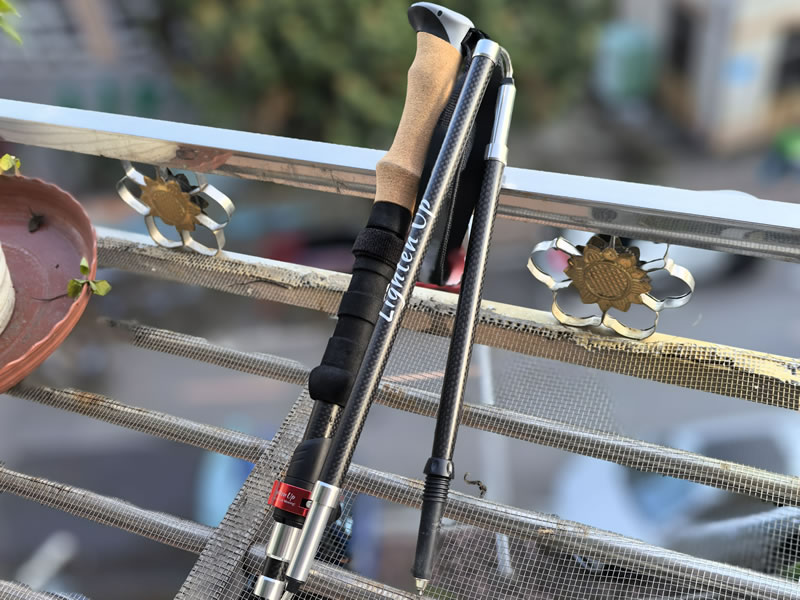
Recommended trekking pole purchase link: https://s.click.aliexpress.com/e/_c4M7OWaN
Understanding the Challenges
Arthritis affects individuals in different ways, but common challenges include pain, swelling, and stiffness in the joints of the hands, reduced grip strength, and pain in the wrists, elbows, and shoulders. A standard trekking pole can exacerbate these issues through:
- Constant Grip Force: The need to continuously clutch a narrow, hard grip.
- Impact Vibration: Shock traveling up the pole from each plant, jarring sensitive joints.
- Poor Ergonomics: Grips that force the wrist and hand into an unnatural, strained position.
The best poles for arthritic hands are engineered to mitigate these very problems.
Key Features for Arthritic Hands
- Ergonomic Grips: This is the single most important feature. Look for grips that are contoured to fit the natural shape of a relaxed hand, with a pronounced thumb rest. These designs distribute pressure evenly across the palm, reducing the strain on finger joints and minimizing the grip strength required. Materials matter immensely:Cork: Naturally molds to the hand's shape over time, wicks moisture, and remains comfortable in both hot and cold weather.Soft, Dense Foam: Provides excellent cushioning and is gentle on sensitive palms, though it may wear faster than cork.
- Shock Absorption: Internal spring systems (like those in Black Diamond's "Shock" series or Leki's "TSS") are crucial. They dampen the impact of each pole plant, preventing jarring vibrations from traveling through the bones of the arm to the shoulders. This is vital for protecting not just the hands, but also the elbows and shoulders, which are often affected by arthritis.
- Lightweight Construction: Every ounce matters when dealing with joint pain. Carbon fiber poles are typically the lightest option, reducing the overall effort and fatigue in the arms and shoulders. However, high-quality, lightweight aluminum is also an excellent and often more affordable choice.
- Strategic Wrist Strap Use: A well-designed strap is not just for security; it's a load-bearing tool. The correct technique—sliding the hand up through the strap and resting the weight on the palm—allows you to transfer force through the strap instead of your grip. This enables you to maintain control with a relaxed, open hand, significantly reducing strain on the finger joints.
- Adjustability: The ability to fine-tune pole length is essential for maintaining proper posture—a 90-degree elbow angle on flat ground—which prevents overreaching and shoulder strain. Easy-to-use lever locks are preferable to twist locks, as they require less hand strength and dexterity to operate.
Top Trekking Pole Recommendations
- Leki Cressida FX TA: Specifically designed with women's ergonomics in mind, its Aergon Cor-Tec grip offers a soft, contoured shape that is exceptionally kind to arthritic hands. The trigger-less strap system is easy to get in and out of and provides excellent support.
- Black Diamond Trail Pro Shock: For those who prioritize shock absorption, this pole is a top contender. The FlickLock Shock system can be turned on for descents to cushion joints, and turned off for ascents. The contoured cork grip is comfortable for long periods.
- Komperdell Vario Compact Powerlock: Featuring a unique, adjustable-angle grip, this pole allows you to find the perfect wrist alignment to minimize stress. Its lightweight construction and reliable locking mechanism make it a versatile choice for varying terrain.
Maximizing Comfort on the Trail
Beyond the right equipment, technique is paramount. Practice using the wrist straps to carry the load, and focus on a relaxed grip. Take frequent breaks to shake out your hands and change your grip position. For those with significant pain, using arthritis-friendly compression gloves underneath trekking pole gloves can provide additional support and cushioning.
Choosing the best trekking poles for arthritic hands is an investment in continued mobility and outdoor enjoyment. By prioritizing ergonomic grips, shock absorption, and lightweight design, you can turn your trekking poles from a source of pain into a powerful tool for managing arthritis on the trail.




