




Anti-shock vs non-shock trekking poles: which is better?
The choice between anti-shock (or shock-absorbing) and non-shock trekking poles is one of the most debated topics among hikers. There's no universal "better" option—the best choice depends entirely on your hiking style, terrain, and personal physiology. Understanding how each type works and their specific advantages will help you determine which pole will best support your adventures.
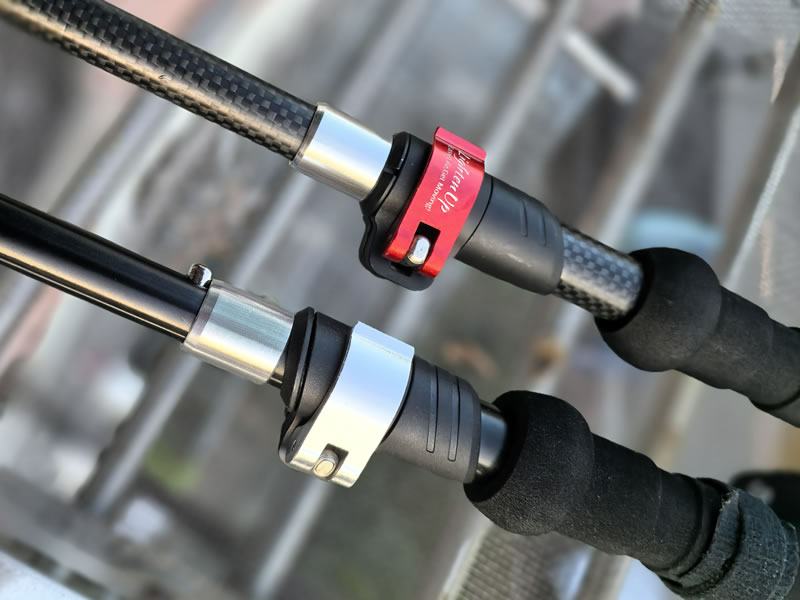
Recommended trekking pole purchase link: https://s.click.aliexpress.com/e/_c4M7OWaN
How Anti-Shock Poles Work
Anti-shock poles feature an internal spring mechanism, typically housed in the upper section of the pole. When you plant the pole, the spring compresses, absorbing impact before gently rebounding. This system functions similarly to suspension on a vehicle, smoothing out the trail's rough vibrations and reducing the jarring sensation that travels up your arms and joints.
Benefits of Anti-Shock Poles:
- Joint Protection: The primary advantage is reduced impact on wrists, elbows, shoulders, and particularly knees during descents. This makes them invaluable for hikers with existing joint issues or those carrying heavy packs.
- Reduced Muscle Fatigue: By dampening repetitive impact forces, these poles can delay the onset of arm and shoulder fatigue on long, technical descents.
- Enhanced Comfort: The cushioning effect creates a noticeably smoother experience, especially on hard-packed trails, rocky terrain, or extended downhill sections.
Drawbacks of Anti-Shock Poles:
- Added Weight: The internal mechanism adds ounces that weight-conscious hikers may prefer to avoid.
- Potential "Bounce": Some users dislike the slight rebound sensation, feeling it reduces their connection to the trail and creates instability.
- Mechanical Complexity: More moving parts mean more potential failure points, though quality models from reputable brands are generally durable.
- Energy Loss: A small amount of forward propulsion energy is lost to compressing the spring rather than driving you forward.
When Non-Shock Poles Excel
Non-shock poles provide direct, unfiltered contact with the ground, offering immediate feedback and solid leverage.
Benefits of Non-Shock Poles:
- Better Trail Feel: You maintain constant awareness of the ground beneath you, allowing for precise placement and quick adjustments on technical terrain.
- Increased Power Transfer: Every ounce of pushing force goes directly into propulsion, making them potentially more efficient for maintaining rhythm on flat ground or during ascents.
- Lighter Weight: Without internal mechanisms, these poles are typically lighter and simpler.
- Enhanced Stability: Many users feel more secure with the solid, predictable connection of non-shock poles, particularly when using poles for balance on uneven surfaces.
Drawbacks of Non-Shock Poles:
- Increased Impact: Your joints absorb more vibration and shock, which can lead to faster fatigue during long descents.
- Not Ideal for Sensitive Joints: Hikers with wrist, elbow, shoulder, or knee concerns may find non-shock poles exacerbate discomfort.
Key Decision Factors
- Primary Terrain:Choose anti-shock for predominantly downhill hiking, hard surfaces (like pavement or packed snow), and rocky trails where vibration dampening is valuable.Choose non-shock for technical trails requiring precise placement, mixed ascents/descents, or softer surfaces where ground feedback is more important than vibration reduction.
- Physical Considerations:Choose anti-shock if you have joint sensitivities, are recovering from injury, or want maximum impact reduction.Choose non-shock if you have healthy joints and prefer direct connection to the trail.
- Hiking Style:Choose anti-shock for long-distance backpacking with heavy loads where cumulative impact matters.Choose non-shock for fast-and-light hiking, trail running, or alpine climbing where weight and precision are priorities.
- Personal Preference:Some hikers simply prefer the solid feel of non-shock poles, while others appreciate the cushioned experience of anti-shock models. If possible, test both types before making a decision.
The Hybrid Solution
Some manufacturers offer poles with switchable shock absorption (like Black Diamond's FlickLock Shock system), allowing you to activate the suspension for descents and lock it out for climbs or technical sections. While slightly heavier, these versatile poles offer the best of both worlds for hikers who encounter varied terrain.
The Verdict
For hikers focused on joint preservation, downhill comfort, and heavy-load carrying, anti-shock poles generally offer significant benefits. For those prioritizing lightweight performance, technical precision, and direct trail feedback, non-shock poles remain the superior choice. Your perfect pole should feel like a natural extension of your body—whether that means floating smoothly down a mountainside or maintaining confident contact with every rock and root beneath your feet. Consider your typical trails, listen to your body, and let your hiking needs guide this important decision.




