




Replacement Tips for Hiking Poles (Mud, Snow, Rock)
The right trekking pole tips can mean the difference between confident stability and dangerous slipping. While most poles come with standard carbide tips, serious hikers know that specialized replacements dramatically improve performance across different terrains. Understanding which tips work best in mud, snow, and rock will transform your poles from simple walking aids into precision tools for any condition.
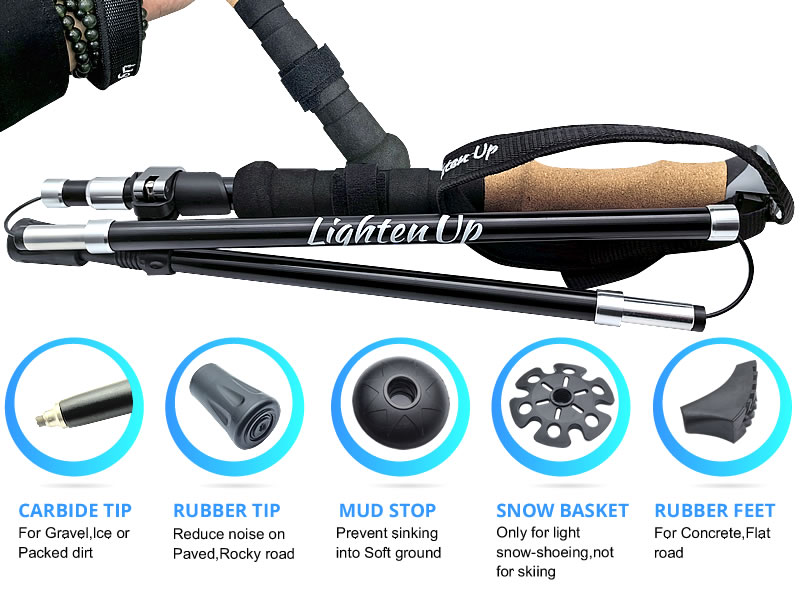
Recommended trekking pole purchase link: https://s.click.aliexpress.com/e/_c4M7OWaN
The Foundation: Standard Carbide Tips
Before exploring specialized options, it's crucial to understand the workhorse of trekking pole tips: carbide. These incredibly hard, durable tips feature tungsten carbide inserts that bite into hard surfaces while resisting wear. They're ideal for most dry trails, rocks, and general hiking conditions. When your carbide tips wear down to smooth nubs (typically after 500-1,000 miles), replacement is essential for maintaining grip.
Mud: Conquering the Slippery Slope
Standard tips quickly clog with mud, becoming useless "mud balls" that offer zero traction. The solution lies in two approaches:
- Wide Mud Baskets: These larger, angled baskets (typically 4-5 inches) sit closer to the tip and create a wider platform that prevents the pole from sinking too deep. Look for baskets with open, web-like designs that allow mud to shed rather than accumulate.
- Needle/Pin Tips: Some manufacturers offer extra-long, pointed tips that penetrate through mud to harder substrates beneath. These work particularly well in thick, clay-like mud where standard tips would simply skate across the surface.
Snow: The Flotation Equation
In snowy conditions, the priority shifts from penetration to flotation. Without proper snow baskets, poles will sink deep with each step, wasting energy and compromising stability.
- Large Snow Baskets: These wide, round baskets (6-8 inches) distribute weight across a larger surface area, preventing poles from plunging through snow. Quality baskets feature durable plastic that remains flexible in cold temperatures rather than becoming brittle.
- Winter-Specific Tips: Some specialized winter tips feature sharper angles and deeper grooves to bite into icy crusts while the basket provides surface flotation. These are particularly valuable for alpine hiking and snowshoeing.
Rock: Maximizing Grip and Durability
Rocky terrain demands tips that won't slip on hard surfaces while withstanding abrasive contact.
- Aggressive Carbide Tips: Look for tips with multiple tungsten carbide points or serrated edges. These "claw-like" designs provide superior grip on smooth rock surfaces, especially when crossing streams or navigating granite slabs.
- Rubber Tip Covers: For hard surfaces where metal tips might slip (like smooth rock) or where you want to avoid marking trails, rubber tip covers provide excellent grip. They're also essential for indoor use or when you need quiet poles near campsites.
Specialized Solutions for Technical Terrain
- Ice Tips: For mountaineering or winter alpine travel, true ice tips feature aggressive, reverse-curve designs that bite into hard ice. These are essential for glacier travel and should only be used with proper ice axe training.
- Road Tips: Larger, softer rubber tips are available for pavement walking, reducing noise and providing better shock absorption on hard surfaces.
Installation and Maintenance Tips
Replacing tips and baskets is typically straightforward, but these pointers ensure optimal performance:
- Check Compatibility: Most poles use standard threading, but some brands have proprietary systems. Verify compatibility before purchasing replacements.
- Use Heat for Stuck Parts: If a tip won't budge, carefully applying heat with a hairdryer can expand the metal slightly, making removal easier.
- Clean Threads Regularly: Dirt and grit in the threading can make future changes difficult and damage the poles.
- Carry Spares: Always pack extra baskets and tips in your repair kit, especially for long trips where conditions may change.
The Professional's Approach: Customizing Your Setup
Many experienced hikers customize their tip selection based on specific trail sections. They might start with standard carbide tips, switch to mud baskets for wetland crossings, then change to rubber tips for rocky scrambles. This modular approach maximizes performance throughout a hike.
Conclusion: Master Your Terrain
Your trekking poles are only as good as their connection to the ground. By investing in the right replacement tips for mud, snow, and rock conditions, you transform your hiking experience from uncertain to unstoppable. Whether you're post-holing through spring snow, navigating muddy riverbanks, or scrambling across granite slabs, the proper tips provide the confidence and security that let you focus on the beauty around you rather than the uncertainty beneath your feet.




