




Best Lubricant for Trekking Pole Lock Mechanisms
Trekking pole lock mechanisms—whether lever locks or twist locks—are the heart of your poles' functionality. When they become stiff, slippery, or noisy, it's more than just an annoyance; it can compromise your safety and hiking efficiency. Choosing the right lubricant isn't just about making things move smoothly—it's about preserving your equipment and ensuring reliable performance when you need it most. This comprehensive guide will help you navigate the world of lubricants and keep your poles functioning like new.
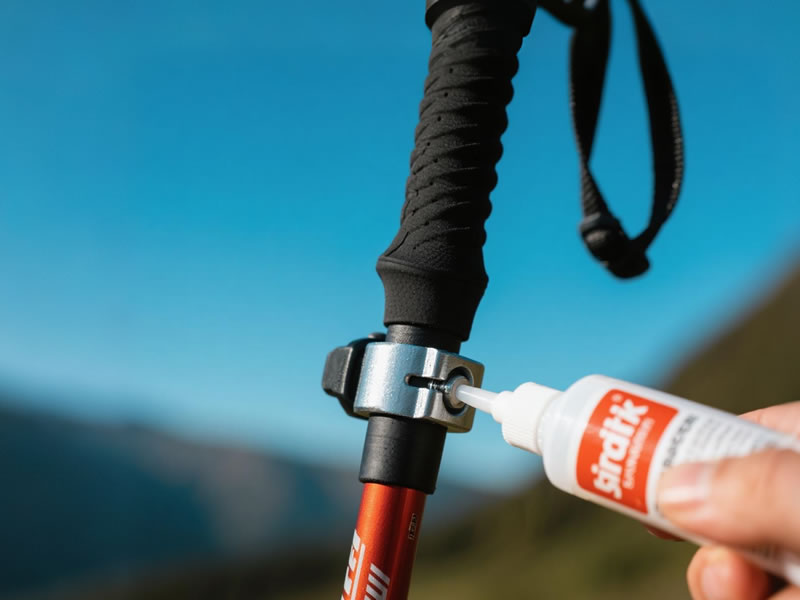
Recommended trekking pole purchase link: https://s.click.aliexpress.com/e/_c4M7OWaN
Understanding Your Lock Mechanism
Before selecting a lubricant, identify your lock type:
- External Lever Locks (FlickLock, PowerLock): These use a cam mechanism that clamps down on the pole shaft. They benefit from lubrication on the moving pivot points and threads.
- Internal Twist Locks: These rely on an expanding collet mechanism inside the pole. They require lubrication that won't gum up the delicate internal components.
Why Lubricant Choice Matters
The wrong lubricant can actually damage your poles by:
- Attracting dirt and grit, creating an abrasive paste
- Degrading plastic components
- Freezing in cold temperatures
- Causing slippage in twist lock mechanisms
Top Lubricant Choices Ranked
1. Dry Silicone Lubricant (Top Choice)
- Why it's best: Creates a protective, non-sticky layer that doesn't attract dirt
- Best for: All lock types, especially in dusty conditions
- Application: Spray lightly on moving parts, wipe excess
- Brand examples: WD-40 Specialist Dry Lube, Triflow Dry Lubricant
2. Teflon-Based Lubricant
- Why it's good: Provides excellent lubrication without residue
- Best for: Lever locks and internal mechanisms
- Application: Use sparingly on clean mechanisms
- Brand examples: DuPont Teflon Lubricant
3. Graphite Powder
- Why it's good: Excellent for cold weather, won't freeze
- Best for: Emergency trail repairs, extremely cold conditions
- Application: Dust lightly into mechanisms
- Drawbacks: Can be messy, not ideal for wet conditions
4. Light Machine Oil
- Why it's limited: Can attract dirt but works for some twist locks
- Best for: Specific manufacturer recommendations only
- Application: One small drop on twist lock mechanisms
- Caution: Avoid on lever locks where dirt exposure is high
Lubricants to Avoid
- WD-40 Original: While good for cleaning, it's not a lubricant and attracts dirt
- Heavy Greases: Too thick for trekking pole mechanisms
- Vegetable/Cooking Oils: Will gum up and turn rancid
- Multi-purpose Automotive Greases: Often too heavy and attract dirt
Step-by-Step Maintenance Process
- Clean Thoroughly First:Use a soft brush to remove visible dirtClean with isopropyl alcohol and cotton swabsEnsure all old lubricant and debris are removed
- Apply Lubricant Sparingly:For lever locks: Apply to pivot points and thread mechanismsFor twist locks: Apply small amount to expanding mechanismLess is more—excess lubricant attracts dirt
- Work the Mechanism:Open and close levers multiple timesExtend and collapse poles several timesThis distributes lubricant evenly
- Wipe Away Excess:Use a clean cloth to remove any visible lubricantEnsure no residue remains on gripping surfaces
Seasonal Maintenance Tips
Spring/Summer:
- Check lubrication monthly with regular use
- Dry silicone works best in dusty conditions
Fall/Winter:
- Graphite lubricant prevents freezing
- Check mechanisms more frequently in wet conditions
After Water Exposure:
- Always clean and relubricate after stream crossings
- Water can wash away lubricant and cause corrosion
Troubleshooting Common Issues
Stiff Lever Locks:
- Clean thoroughly and apply dry silicone lubricant
- Check for dirt in the cam mechanism
Slipping Twist Locks:
- Clean with alcohol to remove old lubricant
- Apply very light machine oil or manufacturer-specific lubricant
Frozen Mechanisms:
- Warm gently with hands or in a warm room
- Use graphite powder once thawed and dried
Pro Tips for Longevity
- Regular Cleaning: Wipe down poles after each use
- Store Properly: Keep poles extended or loosely collapsed
- Inspect Frequently: Catch problems before they worsen
- Carry Emergency Lube: Pack a small tube of dry lubricant on long trips
When to Seek Professional Help
If lubrication doesn't solve:
- Persistent slipping
- Visible damage to mechanisms
- Corrosion that won't clean off
- Manufacturer-specific issues under warranty
The Bottom Line
Investing in the right lubricant and maintenance routine will extend your trekking poles' life and ensure they perform when you need them most. Dry silicone lubricant stands out as the best all-around choice for most conditions and mechanisms. Remember: clean first, lubricate sparingly, and maintain regularly. Your poles are essential safety equipment—treat them with care, and they'll support you through countless adventures.




