




Hiking poles for seniors with balance issues
For seniors who love the outdoors, maintaining balance and confidence on the trail is paramount. Hiking poles are not just accessories; they are vital tools that can significantly enhance stability, reduce fall risk, and make hiking an enjoyable, sustainable activity for years to come. This comprehensive guide explores how to select and use trekking poles specifically tailored to address the unique needs of seniors with balance concerns.
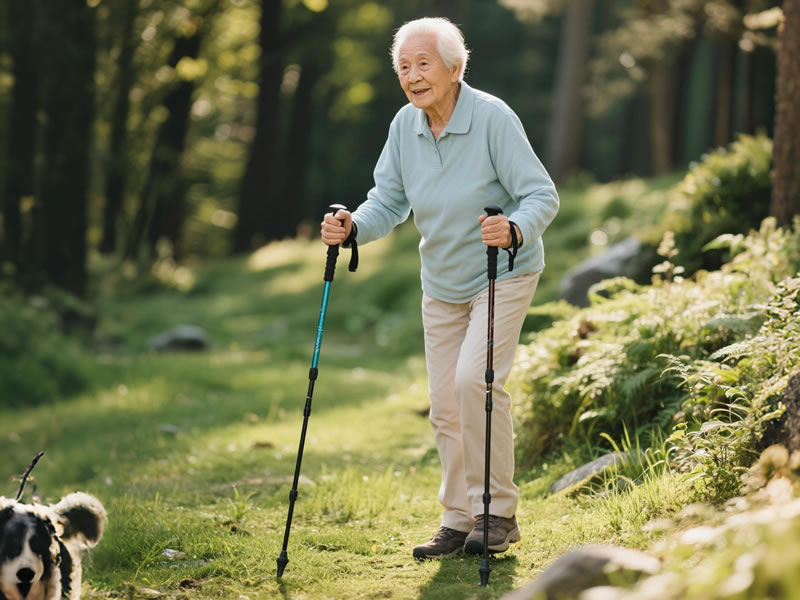
Recommended trekking pole purchase link: https://s.click.aliexpress.com/e/_c4M7OWaN
Why Hiking Poles Are Essential for Senior Hikers
As we age, natural changes in balance, vision, and joint strength can make uneven terrain challenging. Hiking poles provide multiple critical benefits:
- Enhanced Stability: Two additional points of contact with the ground create a stable, four-point base of support, dramatically improving balance on uneven trails, loose gravel, and slippery surfaces.
- Joint Preservation: Poles absorb significant impact that would otherwise travel through knees, hips, and ankles—particularly valuable for seniors with arthritis or joint replacements.
- Confidence Building: The psychological security of reliable support enables seniors to tackle trails they might otherwise avoid, maintaining an active lifestyle.
- Posture Support: Properly used poles encourage an upright posture, reducing back strain and improving breathing efficiency.
Critical Features for Senior-Friendly Poles
When selecting poles for seniors, prioritize these features:
- Easy-to-Use Locking MechanismsExternal Lever Locks (FlickLock-style): These are far easier for arthritic hands to operate than twist locks, providing visible, simple adjustment with minimal hand strength.Avoid Complex Twist Locks: These require significant grip strength and dexterity that many seniors lack.
- Ergonomic GripsCork Contours: Cork grips naturally mold to hand shape and provide excellent comfort for extended use.Angled Designs: Some grips feature built-in angles that maintain a more natural wrist position, reducing strain.Extended Foam Padding: Allows multiple hand positions without touching the cold metal/carbon shaft.
- Shock AbsorptionInternal spring systems (like Black Diamond's Shockless technology) cushion joints by reducing impact transmission, particularly valuable for descents.
- Lightweight ConstructionAluminum: Offers excellent durability at a reasonable weight.Carbon Fiber: Lighter but typically more expensive; ideal if weight is a primary concern.
- Safety-First DesignQuick-Release Straps: Prevent entanglement in case of a fall.Reliable Tips: Quality carbide tips provide secure traction, while rubber tip covers offer grip on paved surfaces.
Top Recommended Models for Seniors
- Black Diamond Trail Pro Shock: Combines easy lever locks with effective shock absorption and comfortable grips.
- Leki Cressida FX TA: Features women-specific ergonomics and an easy-to-manage locking system.
- Komperdell Powerlock Vario: Offers adjustable grip angles and reliable locking mechanisms.
- REI Co-op Traverse Power Lock: Provides excellent value with senior-friendly features.
Proper Usage Techniques for Maximum Stability
Simply carrying poles isn't enough. Proper technique is crucial:
- Correct Length Adjustment:Stand upright with poles tip-down beside youAdjust until elbows bend at a 90-degree angleShorten slightly for uphill, lengthen for downhill
- The "Wide Base" Technique:Plant poles slightly wider than your bodyThis creates a more stable support triangle
- Confident Planting:Place poles firmly before steppingUse a natural opposite arm/leg rhythmApply gentle downward pressure through the strap
- Strategic Descent:Lengthen poles 2-3 inches for downhill sectionsPlant poles ahead and below youLet your arms bear significant weight
Building Confidence Gradually
Start with easy, familiar trails to practice technique. Many seniors benefit from initial instruction from a physical therapist or experienced hiking guide. Consider joining senior hiking groups where pole use is common and supported.
Additional Safety Considerations
- Regular Inspection: Check poles for wear before each use, paying special attention to locking mechanisms and tips.
- Proper Footwear: Combine poles with supportive, traction-rich hiking shoes for maximum stability.
- Know Your Limits: Choose trails appropriate for your fitness level, even with pole support.
- Communication: Hike with a partner and carry emergency communication devices.
The Life-Changing Impact
The right hiking poles can be transformative for seniors, turning anxiety about falling into confidence to explore. One 72-year-old hiker shared, "After my knee replacement, I thought my hiking days were over. With these poles, I've rediscovered trails I loved decades ago. They're not just equipment—they're my freedom sticks."
Conclusion: Take Back Your Trail Confidence
Hiking poles represent one of the most effective tools for seniors to maintain active outdoor lifestyles while managing balance concerns. By selecting poles with senior-friendly features and learning proper technique, older hikers can significantly reduce fall risk, minimize joint pain, and preserve the joy of hiking well into their golden years. The investment in quality poles tailored to senior needs pays dividends in confidence, safety, and continued adventure. Don't let balance concerns keep you from the trails you love—embrace the support that modern trekking poles provide and walk with renewed assurance.




