




Using Trekking Poles After Knee or Hip Surgery
Undergoing knee or hip surgery is a significant event that marks the beginning of a careful rehabilitation journey. Whether you've had a joint replacement, meniscus repair, or ligament reconstruction, returning to mobility requires both courage and the right support tools. Trekking poles emerge as invaluable allies in this process, offering not just physical stability but also the psychological confidence needed to gradually reclaim your mobility and return to the activities you love.
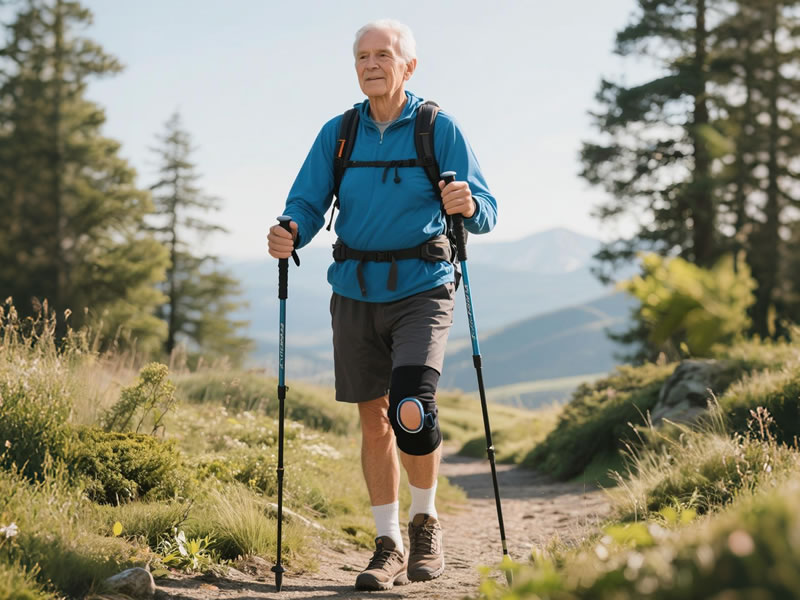
Recommended trekking pole purchase link: https://s.click.aliexpress.com/e/_c4M7OWaN
The Therapeutic Benefits of Trekking Poles in Recovery
The use of trekking poles following orthopedic surgery provides multiple evidence-based benefits that directly support the recovery process:
- Reduced Joint Loading: Research indicates that using trekking poles can reduce the force placed on lower extremity joints by up to 25-30% with each step. This is particularly crucial during the early post-surgical phase when healing tissues are most vulnerable.
- Enhanced Stability and Fall Prevention: Surgery, pain medications, and muscle weakness all contribute to balance impairment. Poles provide additional points of contact with the ground, creating a more stable base of support and significantly reducing fall risk during the vulnerable recovery period.
- Improved Gait Pattern: It's common to develop compensatory walking patterns after surgery. Poles encourage a more symmetrical, natural gait by providing rhythm and support, helping retrain proper movement patterns under the guidance of your physical therapist.
- Gradual Strength Building: As you recover, poles allow you to gradually increase activity levels while maintaining safety. You can progressively put more weight through your surgical leg while having the security of upper body support.
- Increased Confidence: The psychological barrier to resuming activity after surgery can be substantial. Poles provide the assurance needed to venture outdoors and begin rebuilding stamina without fear of re-injury.
Selecting the Right Poles for Post-Surgical Recovery
Not all trekking poles are equally suited for rehabilitation purposes. Consider these specific features:
- Shock Absorption: Prioritize poles with integrated shock-absorbing systems to further minimize impact transmission to healing joints.
- Easy-to-Use Locking Mechanisms: External lever locks are essential for those with reduced hand strength or dexterity issues, which can be temporary side effects of surgery or anesthesia.
- Comfortable Grips: Look for ergonomic, moisture-wicking grips (cork or dense foam) that distribute pressure evenly, which is especially important if you'll be using the poles for extended periods during rehabilitation walks.
- Adjustable Length: Ensure poles offer precise adjustability to accommodate different terrains and your changing needs as recovery progresses.
- Lightweight Construction: Aluminum poles typically offer the best balance of durability, weight, and cost for rehabilitation purposes.
Proper Usage Techniques for Optimal Recovery
Using poles correctly is paramount to gaining their full benefits while avoiding compensatory patterns:
- Initial Setup: Begin with poles adjusted so your elbows form a 90-degree angle when the tips are on the ground beside your feet. Your physical therapist may recommend slight modifications based on your specific condition.
- The Four-Point Gait: This is often the most stable pattern early in recovery:Move the right pole forward simultaneously with the left footFollow with the left pole and right footThis creates a slow, deliberate, and highly stable walking pattern
- Weight Bearing Strategy: In early recovery, your surgeon or physical therapist will provide specific weight-bearing instructions (non-weight bearing, partial weight bearing, etc.). Poles can be calibrated to provide exactly the amount of support needed while maintaining the prescribed weight-bearing status.
- Navigation Techniques:For Stairs and Curbs: Always lead with your non-surgical leg when going up, and with your surgical leg when going down. Use the poles for additional support on the step below.For Inclines: Shorten poles slightly when ascending to maintain upright posture.For Declines: Lengthen poles slightly and plant them ahead of you to control descent speed and reduce impact.
Precautions and Consultation Requirements
Before incorporating trekking poles into your recovery:
- Medical Clearance: Always consult with your surgeon and physical therapist before using trekking poles. They can provide specific guidance tailored to your procedure and recovery timeline.
- Proper Instruction: Ask your physical therapist to demonstrate correct pole usage specific to your condition. They can identify and correct any improper techniques that might hinder your recovery.
- Gradual Progression: Start with short durations on flat, even surfaces. Gradually increase distance and difficulty as your strength and endurance improve.
- Listen to Your Body: Pain is a signal. If you experience increased pain or swelling, reduce activity level and consult your healthcare provider.
- Avoid Over-reliance: While poles are helpful in early recovery, the ultimate goal is typically to wean off them as strength and balance improve, unless you have ongoing mobility challenges.
The Journey Back to Mobility
The path to recovery after joint surgery is a marathon, not a sprint. Trekking poles serve as trusty companions on this journey, providing the support needed to gradually rebuild strength, confidence, and independence. One knee replacement patient shared, "My poles weren't just walking aids—they were my security blanket that allowed me to progress from cautious steps around my driveway to eventually hiking forest trails again."
By selecting appropriate poles, using them with proper technique, and following your medical team's guidance, you can safely navigate your recovery journey and return to the active lifestyle you deserve. Remember that each small step forward, supported by your poles, represents meaningful progress toward your rehabilitation goals.




