




How to Silence Clicking Trekking Poles: A Step-by-Step Troubleshooting Guide
There’s nothing quite like the rhythmic sound of footsteps on a trail—until it’s interrupted by the persistent click-clack of your own trekking poles. What starts as a minor nuisance can become a major distraction, breaking the peaceful solitude of nature and often signaling an underlying issue with your gear. Fortunately, silencing your poles is usually a straightforward process that you can accomplish at home with minimal tools.
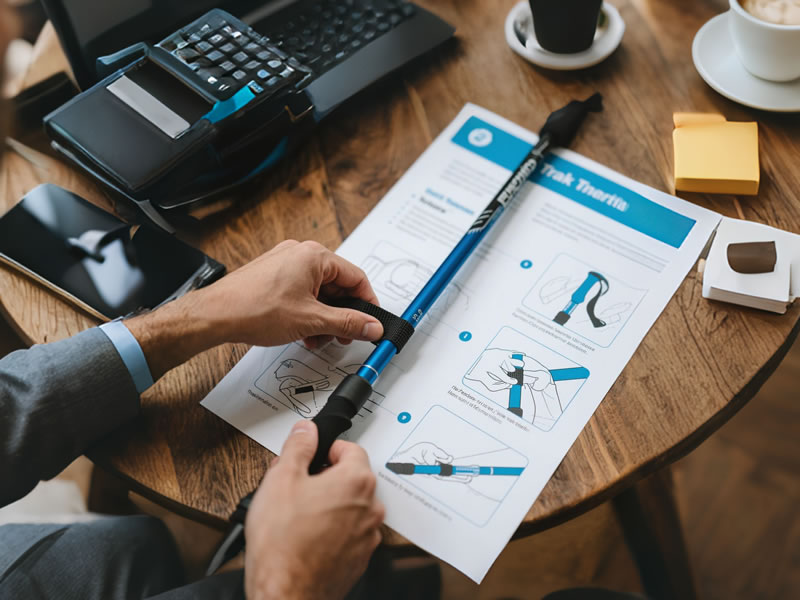
Recommended trekking pole purchase link: https://s.click.aliexpress.com/e/_c4M7OWaN
Understanding the source of the noise is the first step to a cure. The clicking is almost always a symptom of movement within the pole's mechanism, whether from dirt, wear, or improper tension.
Diagnosing the Source of the Click
Before you start taking things apart, identify when and where the click occurs.
- During the Swing: A click while the pole is in the air often points to internal segments rattling within each other.
- On Impact: A click the moment the tip hits the ground usually indicates a loose locking mechanism or a joint between sections that has become slightly separated.
- Under Load: A click or creak when you lean your weight on the pole typically means a loose flick-lock or a worn twist-lock mechanism.
The Fix: A Methodical Approach
Follow these steps in order, as they progress from simple cleaning to more involved adjustments.
Step 1: The Deep Clean
Dirt, sand, and grit are the primary enemies of a silent pole. They infiltrate the mechanisms and inner shafts, creating friction and preventing a secure lock.
- For All Pole Types: Fully extend each section and wipe down the entire inner shaft with a damp cloth. Ensure no moisture remains before reassembly.
- For Flick-Lock Poles: Use a small brush (an old toothbrush works perfectly) to scrub away caked-on dirt from the locking lever's cam and the band inside the mechanism.
- For Twist-Lock Poles: These require a more thorough clean. Unscrew the sections to disassemble the pole. You will find an internal expander bushing. Clean this bushing and the inside of the locking mechanism with a cloth and isopropyl alcohol to remove all old lubricant and grime. Let it dry completely.
Step 2: Tightening and Adjustment
After cleaning, reassemble your poles and check for noise. If it persists, move on to mechanical adjustments.
- For Flick-Lock Poles: This is the most common fix. Locate the adjustment bolt on the locking mechanism. Using the appropriate-sized Allen key, turn it clockwise in small, quarter-turn increments. Test the tightness after each adjustment—the lock should be snug but still closable without excessive force. Warning: Over-tightening can strip the threads or damage the mechanism.
- For Twist-Lock Poles: After cleaning and reassembly, the internal bushing needs to provide adequate friction. As these wear out, they lose their grip. The adjustment is often limited, but you can try gently expanding the bushing with a pick or a small flat-head screwdriver to help it grip the inner wall more tightly.
Step 3: Strategic Lubrication
This step is critical and often done incorrectly. Do not use WD-40 or oily lubricants, as they attract more dirt and create a messy paste that accelerates wear.
- The Right Product: Use a dry silicone lubricant or a Teflon-based spray. These products reduce friction without leaving a sticky residue.
- Application: For both pole types, apply a very light spray to a cloth and then wipe the inner shaft of the pole. Do not spray directly into the locking mechanism. For twist-lock poles, a minimal amount of lubricant on the cleaned expander bushing can help it rotate smoothly.
Pro Tips and Last Resorts
- The Electrical Tape Fix: If a specific section continues to rattle internally, wrap a single, thin layer of electrical tape around the male end of the pole segment before inserting it. This can take up the excess space and eliminate the play causing the rattle.
- Check the Tip: Rarely, a loose tip can cause a clicking sound. Ensure the metal tip is firmly pressed onto the carbon or aluminum shaft.
- Know When to Replace: Twist-lock mechanisms, in particular, have a finite lifespan. If you've cleaned, adjusted, and lubricated but the pole still collapses or clicks under load, the internal expander may be worn out. Many manufacturers sell replacement parts or offer repair services.
Prevention is the Best Medicine
A silent pole is a well-maintained pole. Get into the habit of cleaning the lower sections after muddy or sandy hikes and storing your poles fully extended in a cool, dry place. This prevents the locking mechanisms from settling under tension and the internal parts from accumulating moisture.
By following this systematic guide, you can transform your noisy, distracting trekking poles back into the silent, reliable partners they were designed to be, allowing you to focus entirely on the beauty of the trail ahead.




