




Walking Poles with Good Locking Mechanisms: Your Guide to Safety and Reliability on the Trail
When investing in a pair of walking poles, it's easy to focus on weight, grip material, or shock absorption. However, the most critical feature—the one that ensures your safety with every step—is often overlooked: the locking mechanism. A pole that collapses unexpectedly on a steep descent is more than an inconvenience; it's a serious hazard. This deep dive into walking poles with good locking mechanisms will help you understand the technology that keeps you secure and stable, allowing you to focus on the scenery, not your gear.
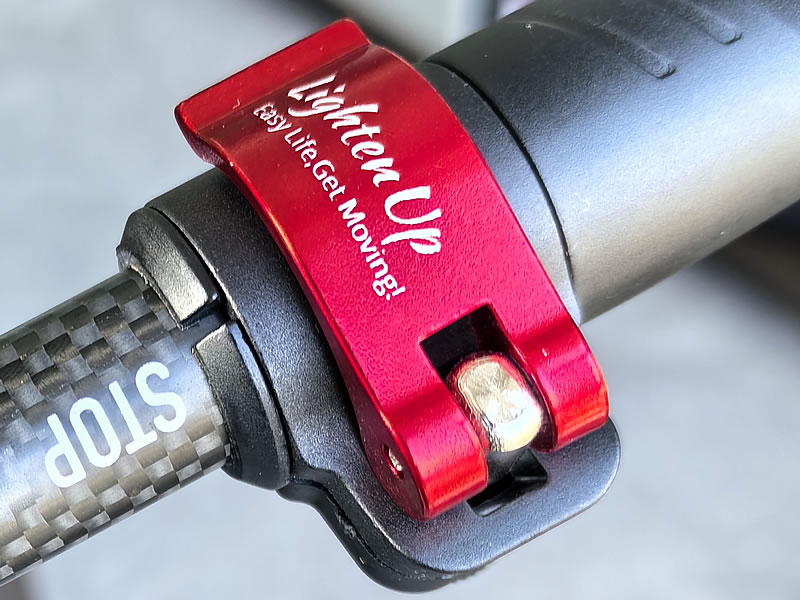
Recommended trekking pole purchase link: https://s.click.aliexpress.com/e/_c4M7OWaN
Why the Locking Mechanism is Non-Negotiable
The locking mechanism is the heart of an adjustable trekking pole. It is solely responsible for maintaining the pole's length under load, which can often exceed your body weight during a stumble or on a sharp descent. A failed lock doesn't just mean a wobbly pole; it can lead to a loss of balance and a fall. A high-quality, reliable lock provides:
- Confidence: Trust that your pole will hold firm when you lean on it.
- Consistent Performance: The pole remains at your precisely set length for optimal biomechanics and efficiency.
- Safety: Prevention of sudden collapse, which is crucial on technical or exposed terrain.
Types of Locking Mechanisms: A Detailed Comparison
Understanding the pros and cons of each system is key to making an informed choice.
- Flick-Lock (or Lever-Lock)How it Works: A robust lever attached to a band that tightens around the inner pole section. Flipping the lever tightens or loosens the grip.Pros: Widely considered the gold standard for reliability and strength. It's easy to operate with cold, wet, or gloved hands and allows for quick, precise micro-adjustments. The mechanism is also relatively easy to clean and maintain.Cons: Slightly heavier and bulkier than other systems. The lever can potentially snag on vegetation, though modern designs are quite streamlined.Best For: Almost all hikers, especially those who need dependable performance in variable conditions, carry heavier loads, or require precise length adjustments.
- Twist-Lock (or Spin-Lock)How it Works: A simple system where you twist the lower section of the pole to tighten an internal expander inside the upper shaft.Pros: Very sleek, lightweight, and snag-free profile. The design is simple and has fewer external parts.Cons: This is the most problematic system. It is notorious for slipping, especially as the internal components wear out. It is difficult to operate with cold or wet hands, and it's nearly impossible to adjust with any precision. It can also become permanently stuck ("frozen") if overtightened or corroded.Best For: Casual walkers on flat terrain or those who prioritize minimal weight and a clean aesthetic above all else. Not recommended for serious hiking or backpacking.
- Z-Pole / Folding System (Internal Cord Lock)How it Works: Poles fold into three or four sections connected by an internal, pre-tensioned cord. They lock into place when extended, using a pin-and-socket system or internal tension.Pros: Extremely fast to deploy and pack down. Very lightweight and compact. There is no external lever to adjust, making them snag-free.Cons: The main drawback is a general lack of adjustability. Most are fixed-length, though some newer models offer a small range of adjustment. If the internal cord snaps on the trail, the pole becomes unusable until repaired.Best For: Trail runners, fastpackers, and hikers who value speed and packability and often stow their poles during sections of their journey.
Top Picks for Walking Poles with Excellent Locking Mechanisms
- Black Diamond Trail Pro (Flick-Lock): Featuring the robust FlickLock Pro system, these poles are a benchmark for reliability. The mechanism is oversized for easy grip and provides a powerful, secure hold that inspires total confidence on rough terrain.
- LEKI Micro Vario Carbon (Speed Lock): LEKI's proprietary Speed Lock system is a masterpiece of engineering. It combines the one-handed, tool-free adjustability of a flick-lock with a incredibly slim and lightweight profile, proving that you don't have to sacrifice strength for weight savings.
- MSR DynaLock Ascent (DynaLock): Built for the most demanding conditions, the DynaLock system is arguably the strongest in the industry. It uses a unique dual-lever design that provides an immense clamping force, making it the top choice for mountaineers, winter hikers, and those carrying heavy packs.
Maintenance is Key
Even the best mechanism requires care. Periodically clean dirt and grit from the lock and pole shafts. For flick-locks, a drop of lubricant on the moving parts can maintain smooth operation. Always check that all locks are fully engaged before putting weight on your poles.
In conclusion, while other features contribute to comfort, the locking mechanism is the foundation of a trekking pole's safety and performance. Investing in a pole with a proven, reliable system like a high-quality flick-lock is an investment in your peace of mind on every trail.




