




Benefits of Using Walking Poles for Walking: Transform Your Walk into a Full-Body Workout
Walking is one of the most accessible and beneficial forms of exercise, but did you know you can dramatically enhance its benefits with a simple tool? Using walking poles transforms this fundamental activity from a lower-body workout into a comprehensive fitness regimen that engages nearly every muscle group. Whether you're strolling through city parks or exploring forest trails, these versatile tools offer a remarkable array of advantages that extend far beyond basic support.
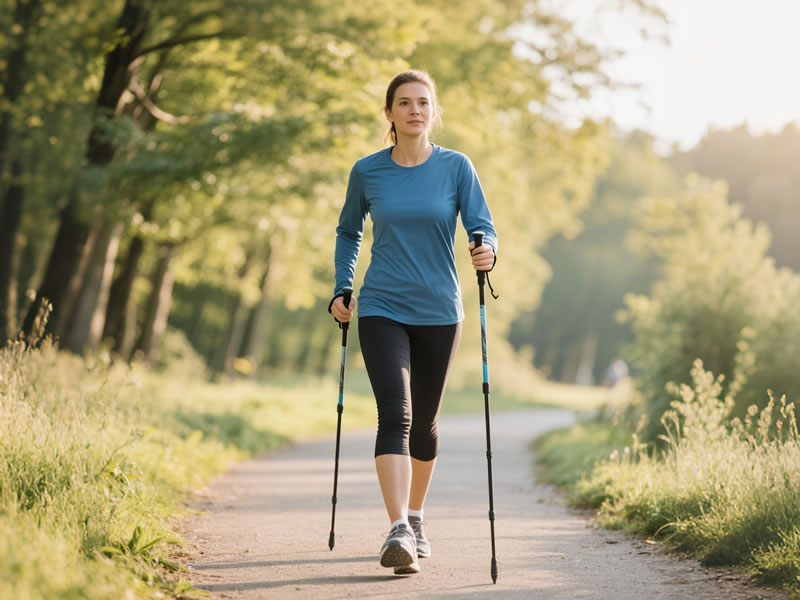
Recommended trekking pole purchase link: https://s.click.aliexpress.com/e/_c4M7OWaN
Enhanced Stability and Balance
The most immediate benefit walkers notice is the dramatic improvement in stability. Walking poles create two additional points of contact with the ground, effectively giving you four points of support instead of two. This expanded base significantly reduces your risk of slips and falls, particularly on uneven terrain, wet surfaces, or loose gravel. For older adults or those recovering from injury, this added security can mean the difference between staying active and staying home. The psychological confidence gained from this stability often encourages walkers to explore new routes and challenge themselves with more varied terrain.
Joint Preservation and Impact Reduction
Scientific studies have demonstrated that using walking poles can reduce the compressive forces on knees, hips, and ankles by up to 25-30%. This is particularly valuable during descents, where joint impact is greatest. The poles effectively distribute your body weight across four limbs instead of two, while the pushing motion engages your upper body to share the workload. For individuals with arthritis, previous joint injuries, or those simply looking to preserve their joint health long-term, this reduction in repetitive stress is invaluable. Many physical therapists now recommend pole walking as part of rehabilitation programs for these very reasons.
Increased Caloric Expenditure and Cardiovascular Benefits
When you incorporate your upper body into the walking motion, you transform a moderate workout into a vigorous one. Research indicates that pole walking can increase calorie burning by 20-46% compared to regular walking at the same speed. This occurs because you're engaging large muscle groups in your arms, shoulders, chest, and back—muscles that remain relatively passive during normal walking. This full-body engagement also elevates your heart rate more effectively, providing superior cardiovascular conditioning without having to walk faster or cover more distance.
Improved Posture and Core Engagement
Walking poles naturally encourage better alignment. The pole planting motion helps keep your spine elongated and shoulders relaxed, counteracting the forward head posture that plagues many modern adults. As you reach forward with each pole, your oblique and abdominal muscles engage to maintain stability, providing a subtle but consistent core workout throughout your walk. Many regular users report relief from chronic back pain after adopting pole walking, as the improved posture redistributes spinal pressure more evenly.
Versatility Across Environments and Fitness Levels
One of the greatest advantages of walking poles is their adaptability. They benefit everyone from fitness enthusiasts seeking a more challenging workout to seniors looking to maintain mobility. They're equally effective on pavement, trails, beaches, and snow. The intensity can be easily modified by adjusting your technique—a gentle push for light activity or a powerful thrust for maximum exertion. This versatility makes poles an excellent long-term investment that remains useful as your fitness goals evolve.
The evidence is clear: incorporating walking poles into your routine represents one of the simplest and most effective ways to enhance your walking experience. They offer a unique combination of safety, joint protection, and enhanced fitness benefits that can keep you walking stronger and longer, regardless of your age or current fitness level. By turning your daily walk into a coordinated full-body activity, you're not just moving forward—you're moving better.




