




Walking Poles for Snow and Ice: Your Essential Guide to Winter Trail Safety
Venturing into snow and ice-covered landscapes requires specialized gear, and your walking poles are no exception. Standard trail poles often prove inadequate when faced with deep snowdrifts, hidden ice patches, and the unique challenges of winter terrain. Properly equipped winter poles provide not just stability, but a critical safety margin, helping you navigate confidently through conditions where a single slip could have serious consequences.
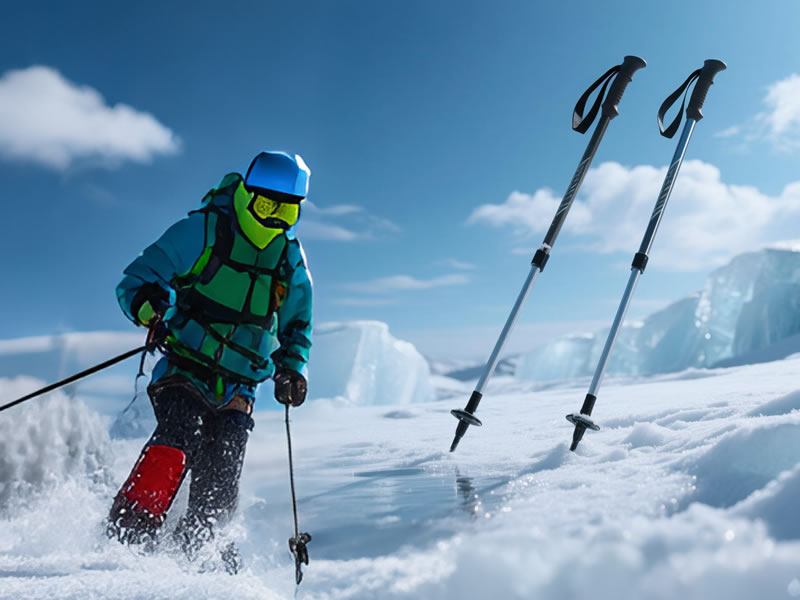
Recommended trekking pole purchase link: https://s.click.aliexpress.com/e/_c4M7OWaN
Essential Features for Winter Performance
When selecting poles for snow and ice, several key features become non-negotiable:
- Powder Baskets: The Flotation EssentialStandard trekking baskets are too small for snow, allowing poles to sink deeply with each plant. You need large, round powder baskets (typically 8-10 cm in diameter) that attach just above the tip. These act like snowshoes for your poles, creating a surface area that prevents them from plunging deep into soft snow, ensuring you maintain leverage and balance.
- Aggressive Tip DesignWhile carbide tips are standard for summer use, winter demands the most aggressive tips available. Look for long, sharp tungsten or carbide tips that can penetrate through snow to find purchase on the ground beneath or bite securely into icy surfaces. Some manufacturers offer specialized ice tips with even more pronounced points for maximum security on frozen terrain.
- Durable Construction MaterialsAluminum poles (particularly 7075 alloy) are generally preferred over carbon fiber for winter use. Aluminum performs better in extreme cold, maintains its strength properties, and is more likely to bend rather than snap if subjected to unusual stress—a valuable fail-safe in challenging conditions. The slight weight penalty is justified by the increased durability and reliability.
- Reliable Locking MechanismsExternal flick-lock/lever-lock systems are mandatory for winter use. They're easier to operate with gloved hands and less prone to freezing or jamming compared to twist-lock mechanisms. Ensure the locks are robust and can maintain tension even when extended for use with snowshoes or skis.
Winter-Specific Pole Techniques
Using poles effectively in winter requires adapting your technique:
- Widened Stance: Plant your poles slightly wider than usual to create a more stable triangular base, particularly useful when traversing slopes or navigating uncertain footing.
- Probing: Use your poles to test snow depth and stability ahead of you, helping to identify hidden obstacles or weak snow bridges over streams.
- Ice Awareness: On obvious ice, plant your pole with deliberate force to ensure the tip penetrates; a tentative plant may simply skitter across the surface.
- Ascending: Shorten poles slightly for steep snow ascents where you need to plant above you.
- Descending: Lengthen poles for downhill sections to provide better braking power and reduce strain on your knees.
Top Recommendations for Winter Conditions
- Black Diamond Expedition 3: Built with durable aluminum and featuring oversized powder baskets, these poles are designed specifically for demanding winter environments and heavy use.
- MSR DynaLock Ascent: Known for their incredibly secure locking system, MSR poles offer reliable performance in wet, freezing conditions where other mechanisms might fail.
- LEKI Sherpa FX Carbon: For those who prefer carbon fiber, this model offers a robust construction with reliable locks and excellent vibration dampening, suitable for winter mountaineering.
Additional Winter Considerations
- Grip Materials: Cork and rubber grips remain usable in cold conditions, while some foams can become uncomfortably cold. Consider using pole straps with your gloves threaded through for security.
- Length Adjustment: Remember that when wearing snowshoes or skis, you'll typically need longer poles than your standard hiking length to compensate for the elevated platform.
- Maintenance: After each use, clean the locking mechanisms thoroughly to remove moisture and prevent freezing. Allow poles to dry completely before storage.
Safety First in Winter Conditions
While quality poles significantly enhance winter safety, they're not a substitute for other essential winter gear including traction devices (microspikes or crampons) for icy terrain, and avalanche safety equipment when traveling in avalanche-prone areas. Always check weather conditions and carry emergency supplies.
Investing in purpose-built poles for snow and ice transforms winter hiking from a precarious challenge into an enjoyable, secure experience. The right poles provide that crucial connection to the ground beneath the snow, offering the confidence to embrace the unique beauty of winter landscapes while maintaining safety as your top priority.




