




Walking Poles for Rehabilitation: Regaining Mobility with Confidence and Support
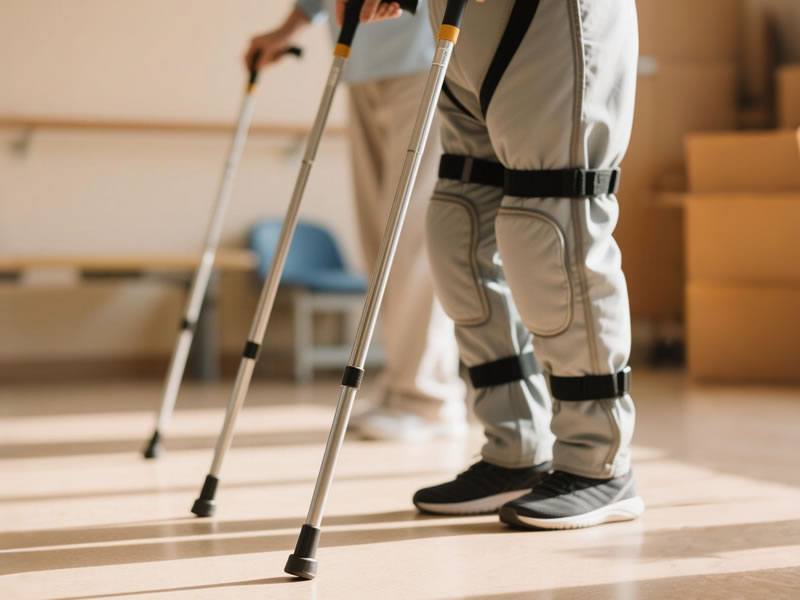
The journey of rehabilitation following surgery, injury, or illness is often a delicate balance between building strength and protecting vulnerable areas. In this process, walking poles emerge as more than just hiking accessories; they become powerful therapeutic tools that bridge the gap between assisted mobility and full independence. Unlike standard canes or crutches, walking poles offer a unique combination of stability, gait training, and psychological confidence that can significantly enhance and accelerate the recovery process.
Recommended trekking pole purchase link: https://s.click.aliexpress.com/e/_c4M7OWaN
The Therapeutic Benefits of Walking Poles in Rehabilitation
The application of walking poles in a rehab setting is multifaceted, offering both physical and psychological advantages:
- Enhanced Stability and Fall Prevention: For individuals recovering from lower-body surgeries (like knee or hip replacements), dealing with neurological conditions, or regaining strength after prolonged illness, balance is a primary concern. Poles provide two additional points of contact with the ground, creating a stable, wide base of support that dramatically reduces the fear and risk of falling. This security encourages more frequent and longer periods of weight-bearing activity, which is crucial for recovery.
- Improved Gait and Posture: Traditional crutches often promote a hunched, inefficient walking pattern. Walking poles, when used correctly, encourage an upright posture and a more natural, reciprocal gait (the opposite arm/leg swing). This helps retrain the body's natural movement mechanics, preventing the development of compensatory bad habits that can lead to secondary pain in the back or other joints.
- Gradual and Controlled Weight Bearing: Rehabilitation often requires a carefully managed progression from partial to full weight-bearing. Walking poles allow for precise control. A user can offload as much or as little weight from an injured leg as needed, simply by adjusting how much pressure they place on the poles. This makes them ideal for transitioning away from crutches.
- Reduced Joint Impact: The use of poles distributes forces away from the recovering lower body joints and into the arms and shoulders. This is particularly beneficial for those with arthritis, recovering from joint surgery, or managing conditions like tendonitis. Models with built-in shock absorption provide an extra layer of protection.
- Increased Cardiovascular Fitness and Endurance: By providing stability, poles enable individuals to walk farther and with greater confidence. This promotes overall cardiovascular health and muscular endurance without overstressing the injured area, helping to combat the deconditioning that often accompanies recovery.
Choosing the Right Poles for Rehabilitation
Not all poles are suitable for therapeutic use. Key features to prioritize include:
- Adjustability: This is non-negotiable. The poles must be easily adjustable to the precise height recommended by a physical therapist to ensure optimal posture and support.
- Reliable Locking Mechanism: Flick-lock systems are essential. They are more secure and easier to operate for those with limited hand strength or dexterity compared to twist-locks.
- Comfortable Grips: Ergonomic grips, preferably made of soft foam or cork, are vital to prevent blisters and reduce stress on the hands and wrists, which may be unaccustomed to the load.
- Appropriate Tips: For indoor use or on pavement, large rubber tips (paws) are necessary for safety and to prevent slipping. Carbide tips can be used outdoors once mobility improves.
A Crucial Partnership: Working with Your Physical Therapist
It is absolutely essential to consult with a doctor or physical therapist before integrating walking poles into a rehabilitation program. A professional can:
- Determine if you are a good candidate for walking poles.
- Prescribe the correct pole height and adjustment strategy for your specific condition.
- Teach you the proper technique to maximize benefits and avoid creating new imbalances or strains.
- Recommend a progressive plan for use, outlining when and how to decrease reliance on the poles as strength and stability return.
Conclusion: A Stepping Stone to Independence
Walking poles for rehabilitation are a testament to the principle of "active recovery." They are not a sign of limitation, but a tool for empowerment. By providing a safe and effective means to rebuild strength, retrain movement patterns, and restore confidence, they play an invaluable role in helping individuals reclaim their mobility and independence. When used under professional guidance, they can transform the rehabilitation journey from a cautious shuffle into a confident stride toward full recovery.




