




Using Walking Poles for Tent Support: The Ultimate Ultralight Guide
In the world of backpacking, every ounce counts. What if you could leave a significant piece of gear behind, saving weight and space without compromising on shelter? This isn't a trick—it's the smart strategy of using your walking poles for tent support. This guide will walk you through why and how to leverage this game-changing technique, turning your essential hiking tool into the backbone of your backcountry home.
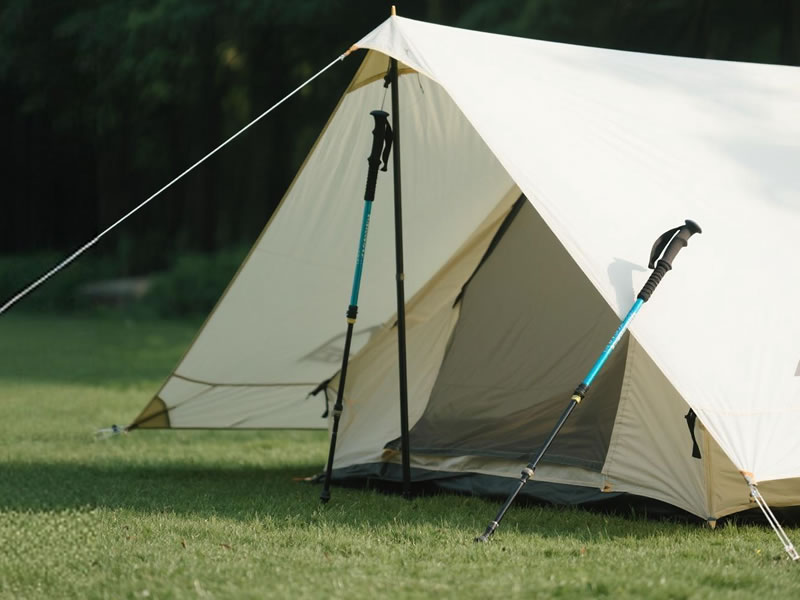
Recommended trekking pole purchase link: https://s.click.aliexpress.com/e/_c4M7OWaN
The Compelling Benefits: Why Make the Switch?
The advantages of using your trekking poles as tent supports extend far beyond simple weight savings.
- Significant Weight Reduction: This is the most significant benefit. By eliminating dedicated tent poles, you can save anywhere from 12 to 24 ounces (350 to 700 grams) or more. This is a cornerstone principle of ultralight backpacking.
- Streamlined Packing: Without long, rigid tent poles, your pack becomes easier to organize and can be compressed into a smaller, more manageable size.
- Multipurpose Gear Efficiency: You are maximizing the utility of your gear. Your poles are no longer just for hiking; they are a critical part of your shelter system, reducing redundancy.
- Enhanced Stability: High-quality trekking poles are incredibly strong and, when correctly tensioned, can create a shelter that is just as stable, if not more so, than one using flimsy, lightweight tent poles.
Is Your Tent Compatible? Key Considerations
Not all tents are designed for this. Here’s what to look for:
- Trekking Pole-Specific Tents: Many modern shelters, particularly from ultralight brands like Zpacks, Tarptent, and Six Moons Design, are explicitly designed for this purpose. They feature reinforced grommets or sleeves at the apex for your pole tips.
- Adaptable Tents: Some hybrid tents offer the option to use either included poles or your own trekking poles.
- Pole Jacks or Extenders: If your tent is designed for a specific height but your poles are too short, a simple, lightweight carbon fiber pole jack can bridge the gap.
- Handle Type: Tents typically require poles with standard grips. Palm grips or extreme ergonomic shapes might not fit correctly into the tent's apex.
A Step-by-Step Guide to Pitching Your Shelter
Setting up a trekking-pole tent is slightly different but quickly becomes second nature.
- Practice at Home First: Never try this for the first time in the wild. Pitch your tent in your backyard or living room to understand its nuances.
- Adjust Pole Length: Consult your tent’s manual for the required pole height. This is often adjustable, allowing you to raise the peak for more headroom or lower it for better wind resistance.
- Position the Pole Tip: Most designs require you to remove the rubber tip pad, exposing the carbide tip. Firmly place this tip into the designated plastic grommet or ground socket at the peak of the tent's inner body or outer fly.
- Secure the Handle: The handle end usually sits in a webbing loop or cradle on the opposite side of the tent. Ensure it's seated securely.
- Tension is Key: Once the main structure is up, carefully tension the guylines. Proper tension is what creates a taut, stable, and weather-resistant shelter. Adjust your pole length slightly if the fabric remains loose.
Pro Tips for a Perfect Pitch
- Check the Grip: Some tents require the pole's handle to be facing down, while others need it facing up. Your manual will specify the correct orientation.
- Protect Your Tent Floor: To prevent your pole tips from punching through the tent floor, always use the provided grommet. For extra protection, some hikers use a small piece of durable fabric or a dedicated "pole foot."
- Stake Out First: For many non-freestanding designs, it's crucial to stake out the corners of the tent before inserting the poles. This makes the pitching process much easier and more controlled.
- Carry a Backup: While rare, a pole failure could leave you without a shelter. Some ultralight hikers carry a single, short section of carbon fiber pole or a dedicated repair sleeve as an emergency backup.
Conclusion
Using your walking poles for tent support is more than just a weight-saving trick; it's a philosophy of efficiency and simplicity on the trail. By embracing this multipurpose approach, you lighten your load, simplify your packing, and deepen your connection with minimalist travel. Invest in a compatible tent, practice your pitch, and you'll unlock a new level of freedom and efficiency in your backpacking adventures.




