




How to Use Trekking Pole Snow Accessories for Walking in the Snow
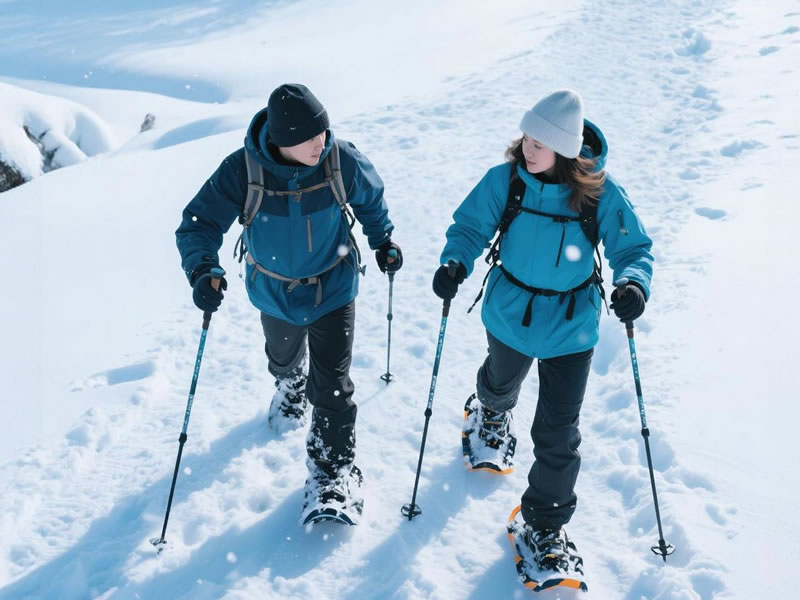
Winter transforms familiar trails into breathtaking landscapes, but it also introduces unique challenges like deep powder, hidden obstacles, and slippery surfaces. While trekking poles are essential year-round, using them effectively in snow requires specific accessories and techniques. Without the right setup, your poles can sink uselessly into the snow, leaving you without support. This comprehensive guide will walk you through everything you about trekking pole snow accessories, from installation to advanced winter walking techniques, ensuring you stay stable, secure, and confident on your cold-weather adventures.
Recommended trekking pole purchase link: https://s.click.aliexpress.com/e/_c4M7OWaN
The Essential Accessory: Understanding Snow Baskets
The most critical addition to your trekking poles for winter use is the snow basket. These are the wide, plastic or metal discs that attach just above the tip of your pole.
- Why They're Non-Negotiable: The fundamental principle is surface area. The small tip of a trekking pole creates high pressure, causing it to plunge deep into soft snow. Snow baskets distribute your weight and the pole's impact over a much larger area, preventing this plunge and providing a stable platform to push off from.
- Types of Snow Baskets:Standard Trekking Baskets (Small): These are the smaller baskets (usually 2-3 inches) that often come pre-installed on poles. They are insufficient for deep snow and should be replaced for winter use.Winter/Snow Baskets (Large): Designed specifically for the task, these baskets are typically 5 inches or larger in diameter. They are essential for staying on top of deep, soft powder.Powder Baskets (Largest): For backcountry skiing or mountaineering in very deep, unconsolidated snow, even larger "powder" baskets are available.
How to Install Snow Baskets: Installation is typically straightforward. Most models slide onto the pole's shaft just above the tip and are secured with a simple screw-on mechanism or a locking ring. Ensure the basket is snug and cannot rotate freely before you head out.
Maximizing Traction: Tips and Tip Protectors
The point of contact with the ground is just as important as the basket above it.
- Carbide Tips: For the best performance on ice or hard-packed snow, poles with hardened carbide tips are ideal. They bite into frozen surfaces far more effectively than standard steel tips, providing crucial security on icy patches.
- Rubber Tip Protectors: While you'll remove these for actual use in the snow, they are vital for protecting your tips during transport. More importantly, some hikers use them to cover their carbide tips when walking on sensitive rock surfaces to prevent damage.
Proper Technique for Snowy Conditions
Having the right gear is only half the battle; using it correctly is key.
- Adjust Your Pole Length: In deep snow or on steep, slippery ascents, you may want to shorten your poles slightly for better leverage and control. Conversely, on flat, packed snow, your standard length may be fine.
- The "Plant and Push" Method: In snow, your pole plants need to be more deliberate. Firmly plant the basket on the snow surface, ensuring it's settled and won't slip. Then, use that stable platform to push yourself forward, engaging your upper body.
- Probe for Hidden Hazards: Use your poles to test the snow in front of you. A sudden, deep plunge could indicate a soft spot or a hidden cavity near a tree root or rock. This "probing" can prevent a post-holing incident or a twisted ankle.
- Use for Balance on Descents: On snowy downhills, plant your poles well ahead and to the sides to create a stable, four-point contact system. This dramatically increases your stability and can be used to slow a controlled slide on steeper slopes.
Pro Tips for Winter Success
- Pair with Proper Footwear: Trekking poles are an aid, not a replacement for traction devices on your feet. For icy conditions, always use microspikes or crampons in conjunction with your poles.
- Prevent Ice Buildup: In wet, sticky snow, ice can build up on the baskets and shafts. Periodically tapping your poles together can help dislodge it. Some poles come with hydrophobic coatings to minimize this issue.
- Carry Spare Parts: The locking mechanisms and baskets can occasionally fail. It's wise to carry a small repair kit or spare baskets on long winter trips.
Conclusion
Equipping your trekking poles with the right snow accessories transforms them from fair-weather friends into essential winter survival tools. By installing large snow baskets, utilizing aggressive carbide tips, and mastering a deliberate planting and probing technique, you gain a significant advantage in the snow. This setup provides the stability needed to navigate deep powder, the security to traverse icy patches, and the confidence to explore winter's wonderland safely. So before your next cold-weather trek, take a few minutes to gear up your poles—it’s a simple step that makes all the difference.




