




Trekking Pole Etiquette on Busy Trails: A Guide to Sharing the Path
Trekking poles are fantastic tools for stability, rhythm, and reducing joint impact. But on a crowded summer trail, they can quickly transform from a helpful aid into a nuisance—or even a safety hazard. Unchecked pole tips can trip other hikers, damage fragile plants, and contribute to trail erosion. Practicing good "pole etiquette" is not just about being polite; it's about being a responsible and safe member of the trail community. This guide will walk you through the unwritten rules of using trekking poles when the paths are packed.
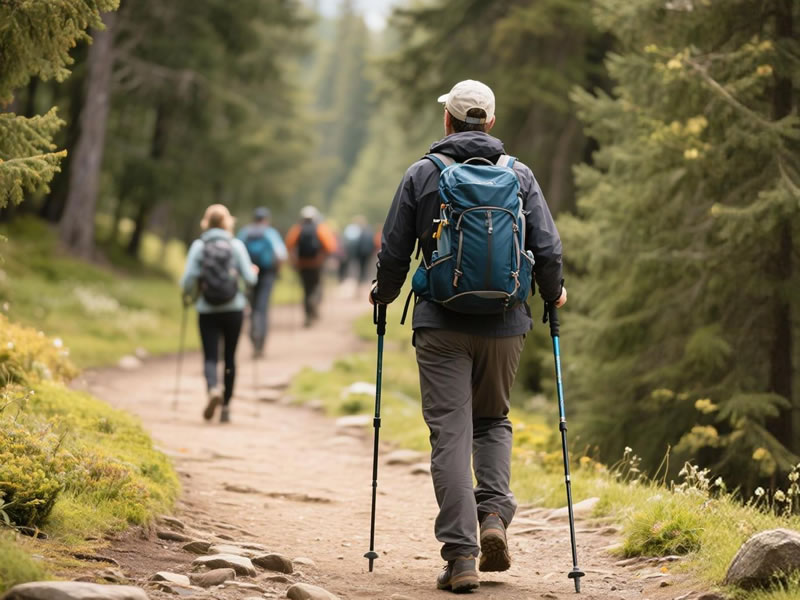
Recommended trekking pole purchase link: https://s.click.aliexpress.com/e/_c4M7OWaN
The Golden Rule: Situational Awareness
The foundation of all trail etiquette, especially with poles, is constant awareness of your surroundings. You are now wider than you are without poles. Before making any sudden moves, stopping, or turning around, do a quick "pole check." Know where your tips are and where they are about to be.
Passing and Being Passed: The Art of the Yield
This is where most pole-related awkwardness occurs. A little foresight makes all the difference.
- When You Are Being Passed: As you hear or see someone approaching from behind to pass, the courteous move is to pull your poles in close to your body. Bring them vertical, tucking the tips up near your shoulders or behind your legs. This instantly clears space and shows the passer that you are making room for them.
- When You Are Passing Others: The responsibility is on the passer to do so safely. If you need to get by, a polite, "Hello, mind if I pass on your left/right?" is standard. As you move past, shorten your pole swing and keep the tips pointed down and directly in front of you, not splayed out to the sides where they could catch on someone's leg or backpack.
On Narrow and Blind-Corner Trails
- Single-Track Trails: On very narrow paths, your pole swing should be minimal. Focus on planting the tips directly in front of or behind your feet, not out to the sides where they can damage trailside vegetation or snag on roots and rocks.
- Blind Corners: Treat a sharp bend in the trail like a blind corner on a road. Slow down and be prepared for someone coming the other way. Keeping your poles close as you round the corner prevents a surprise pole-to-pole (or worse, pole-to-person) collision.
Stopping and Resting: Don't Become an Obstacle
When you stop for a break, a view, or a snack, be mindful of where you place yourself and your gear.
- Step Fully Off the Trail: Move to a durable surface like a rock or a designated rest area.
- Lay Your Poles Flat: Do not leave your poles standing upright, leaning against a tree, or—most importantly—lying across the trail. A hiker or trail runner may not see them, creating a serious tripping hazard. Lay them flat on the ground, parallel to the trail and close to your pack.
Environmental Considerations: Protecting the Trail
Your poles can have a significant impact on the trail itself.
- Avoid "Trenching": Dragging your poles can create small grooves that channel water, accelerating trail erosion. Practice a clean "plant-and-lift" motion.
- Respect Vegetation: Stick to the established trail surface. Intentionally planting your poles in fragile meadows or off-trail areas to test mud or snow damages the very environment you came to enjoy.
- Rock Scratches: On popular routes with slickrock or granite, the hard carbide tips can leave unsightly white scratches. While often unavoidable, being mindful can minimize the cosmetic impact on the rock.
Specific Trail User Considerations
- Hikers with Dogs: Be extra cautious around dogs, whose legs and tails are at perfect pole-tip height. Many dogs are also curious and may approach suddenly.
- Trail Runners: Runners move quickly and quietly. Their sudden appearance can startle you, and your wide pole swing can be a major hazard for them. Stay predictable and keep your poles tight when you hear or see a runner.
- Groups: When hiking in a group, avoid the "conversational pole swing," where you gesticulate with your poles while talking. Keep them under control.
Conclusion: Hike with Respect
Trekking poles are an extension of you on the trail. Using them with care and consideration ensures that everyone, including you, can have a safe and enjoyable experience. By mastering these simple etiquette rules—pulling poles in when yielding, keeping tips controlled when passing, and being mindful of your environmental impact—you cultivate what many call "good trail karma." You stop being just a hiker and become a true steward of the path, demonstrating respect for your fellow adventurers and the beautiful landscapes you explore together.




