




Walking Pole Basket Replacement: A Complete Guide to Better Trail Performance
Walking pole baskets might seem like small, insignificant components, but these humble plastic or metal discs play a crucial role in your trekking experience. A worn, broken, or incorrectly sized basket can compromise your stability, damage fragile trails, and make your hike less efficient. Whether you're preparing for a specific season or noticing your poles aren't performing as they once did, understanding how to replace your baskets is essential maintenance. This comprehensive guide will walk you through everything you need to know about walking pole basket replacement, ensuring your poles deliver optimal performance in any condition.
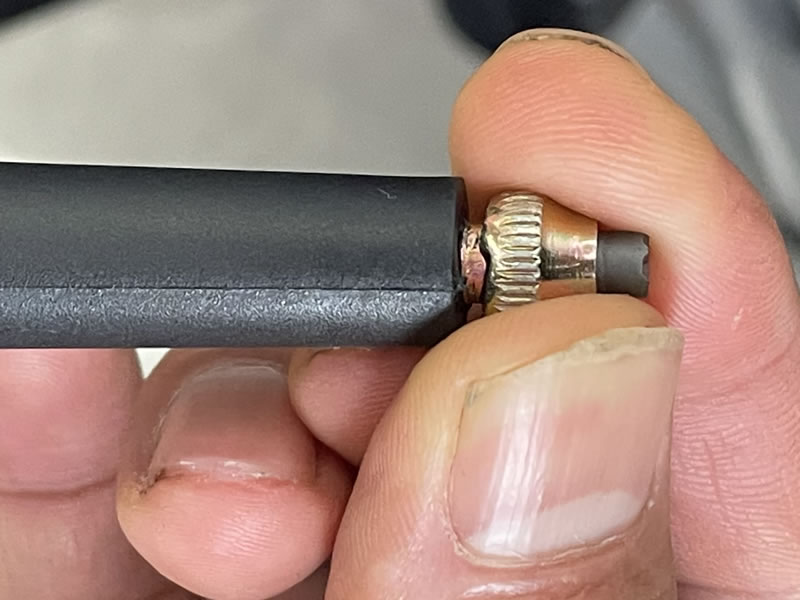
Recommended trekking pole purchase link: https://s.click.aliexpress.com/e/_c4M7OWaN
Understanding the Purpose: Why Baskets Matter
Before diving into replacement, it's important to understand what baskets do. They serve two primary functions:
- Preventing Sinkage: The basket's surface area distributes pressure, stopping the pole tip from sinking too deeply into soft surfaces like mud, sand, and most importantly, snow.
- Protecting the Environment: By limiting how far the pole penetrates, baskets help protect fragile topsoils and prevent unnecessary root damage to trailside vegetation.
Using poles without baskets on soft terrain is like wearing high heels on a hiking trail – you'll sink in and cause damage with every step.
Identifying When Replacement is Needed
Don't wait for a basket to fall off mid-hike. Look for these signs that it's time for a replacement:
- Visible Cracks or Breaks: Even small cracks can quickly propagate into complete failure when pressure is applied.
- Worn-Out or Missing Spokes: As the plastic degrades from sun exposure and impact, individual spokes may break off, reducing the basket's effectiveness.
- Loose Fit: A basket that spins freely or wobbles excessively won't provide reliable support and may detach unexpectedly.
- Terrain Change: The most common reason for replacement isn't failure, but the need for a different basket type for specific conditions.
Choosing the Right Replacement Basket
Baskets aren't one-size-fits-all. Selecting the appropriate type is crucial for optimal performance:
- Small Trekking Baskets (2-3 inches): Ideal for general hiking on established trails, hard-packed earth, and rocky terrain. Their compact size minimizes snagging on roots and rocks.
- Large Snow Baskets (5+ inches): Essential for winter hiking, snowshoeing, and mountaineering. The increased surface area prevents poles from sinking deep into powder snow.
- Mud Baskets: Some manufacturers offer baskets with finer mesh patterns designed to resist clogging in thick mud.
Compatibility Check: Before purchasing, ensure new baskets are compatible with your specific pole model and shaft diameter. Most modern baskets are universal, but some brands like Leki or Black Diamond may have proprietary systems.
The Replacement Process: A Step-by-Step Guide
Replacing a basket is typically a simple, tool-free process:
- Remove the Old Basket: Most baskets attach with a simple screw-on mechanism. Hold the pole shaft firmly and turn the basket counterclockwise to unscrew it. Some models may have a small locking ring that needs to be pressed or turned first.
- Clean the Threads: Once removed, wipe clean the male threads on the pole shaft just above the tip. Remove any dirt, sand, or debris that might prevent the new basket from seating properly.
- Install the New Basket: Align the new basket with the threads. Press it on and turn clockwise until it's hand-tight. For most designs, you don't need excessive force – just ensure it's snug and doesn't wobble.
- Security Check: Gently try to spin and pull the basket to confirm it's securely attached. It shouldn't move independently of the pole shaft.
Troubleshooting Common Replacement Issues
- Stuck Basket: If the old basket won't budge, try applying a small amount of lubricant (like silicone spray) to the threads and let it sit for a few minutes before attempting to turn it again.
- Stripped Threads: If the threads on the pole shaft are damaged, replacement might be more complex. Some manufacturers sell thread repair kits, or you may need to replace the entire lower shaft section.
- Incompatible Fit: If a new universal basket is too loose, a small wrap of Teflon tape around the threads can help create a tighter, more secure fit.
Pro Tips for Basket Longevity and Performance
- Carry Spares: For multi-day hikes or backcountry trips, pack a set of spare baskets. They're lightweight and can save your trip if one fails.
- Seasonal Swap: Get into the habit of changing your baskets with the seasons. Install larger snow baskets for winter adventures and switch back to smaller trekking baskets for summer hikes.
- Visual Inspection: Make a quick basket check part of your regular gear maintenance routine, along with inspecting pole tips and locking mechanisms.
Conclusion: A Small Part with a Big Impact
Replacing your walking pole baskets is one of the simplest yet most impactful forms of gear maintenance you can perform. With the right baskets properly installed, you'll enjoy significantly better stability on variable terrain, contribute to trail preservation, and ensure your poles perform exactly as intended. By understanding the different basket types, mastering the easy replacement process, and incorporating basket checks into your hiking routine, you'll maximize both your safety and your enjoyment on every trail, in every season. Don't underestimate this small component – it's the foundation of your pole's traction and performance.




