




Best Wax for Walking Pole Screws: The Ultimate Guide to Smooth Adjustments
There's nothing more frustrating than reaching a scenic overlook only to find your trekking pole sections stubbornly locked together. Whether it's the adjustment mechanisms or the tiny screws in your basket assemblies, metal components in walking poles are constantly exposed to moisture, dirt, and temperature changes that can lead to corrosion and seizing. While many reach for oil-based lubricants as a quick fix, the true secret to smooth, reliable operation lies in using the right type of wax. This comprehensive guide will explore why specialized wax is the optimal choice for maintaining your walking pole screws and how to apply it for maximum protection and performance.
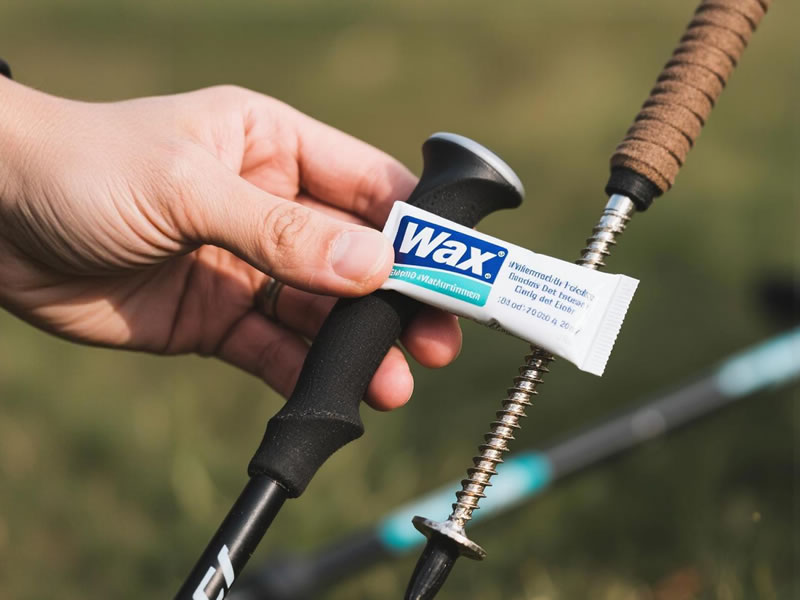
Recommended trekking pole purchase link: https://s.click.aliexpress.com/e/_c4M7OWaN
Why Wax? Understanding the Science Behind the Solution
At first glance, oil might seem like the obvious lubricant. However, for outdoor equipment like trekking poles, wax offers distinct advantages that make it far superior:
- Dry Lubrication: Unlike oils and greases, wax creates a dry, protective coating that doesn't attract dirt, dust, or sand. These abrasive particles are the primary cause of wear in threaded components. A waxed surface remains clean and smooth.
- Water Resistance: A properly applied wax coating is inherently hydrophobic, creating a protective barrier that repels moisture and prevents the oxidation and corrosion that "freeze" metal threads together.
- No-Mess Application: Wax stays where you put it. There's no risk of it migrating onto your pole grips, clothing, or gear, which is a common problem with liquid lubricants.
- Long-Lasting Protection: While oils can thin out and wash away, a single wax application can last for months, providing continuous protection through numerous hikes and cleaning sessions.
Choosing the Champion: The Best Types of Wax for the Job
Not all waxes are created equal. Here are the top choices, ranked by effectiveness:
1. Ski and Hiking Pole-Specific Wax (Top Tier)
- Why it's best: These are specifically formulated for the exact purpose of lubricating and protecting metal pole components. They often contain PTFE (Teflon) or other advanced additives for an incredibly smooth, durable finish.
- Brand examples: Brands like Swix, Toko, and BD offer high-performance solutions.
2. Pure Beeswax or Paraffin Wax (Excellent Alternative)
- Why it works: These natural, universal waxes are non-toxic, widely available, and provide excellent moisture resistance and lubrication. They are a perfect, cost-effective solution for general maintenance.
- Best for: Hikers who prefer natural products and perform maintenance in a controlled home environment.
3. Candle Wax (The Field Expedient Option)
- Why it works: In a pinch, a standard household candle can save the day. It provides adequate lubrication and water resistance for temporary fixes until a more proper application can be done.
- Pro Tip: Carry a small tea light candle in your repair kit for emergency trailside adjustments.
What to Avoid: Lubricants That Can Cause Harm
Steer clear of these common but problematic substances:
- WD-40: This is a water displacer and penetrant, not a lubricant. It attracts dirt and will quickly gum up, making the problem worse over time.
- Silicone Spray/Lube: While it doesn't attract as much dirt as oil, it is messy and can make grips and straps dangerously slippery.
- Petroleum Jelly (Vaseline): It attracts dirt and debris, creating an abrasive paste that accelerates wear.
The Step-by-Step Application Guide for a Flawless Finish
Proper application is key to achieving the desired result. Follow these steps:
- Disassemble and Clean: Remove the screw or separate the pole sections you wish to treat. Thoroughly clean the threads with a brush and isopropyl alcohol to remove all dirt, old lubricant, and moisture. The surface must be perfectly clean and dry.
- Apply the Wax: Rub the wax stick or block directly onto the threads, ensuring complete coverage. For hard waxes, you may need to warm it slightly with a hairdryer to help it flow into the threads.
- Work it In: Screw the component in and out several times to distribute the wax evenly across all the thread surfaces.
- Remove Excess: Wipe away any visible excess wax with a clean cloth. A thin, even film is all that is needed. Excess wax can still attract some dust.
- Final Assembly: Reassemble the component and tighten to the appropriate level. You will immediately notice a smoother, more controlled feel.
Proactive Maintenance Schedule and Tips
- Frequency: A full wax treatment every 3-6 months is sufficient for most hikers. If you frequently hike in wet, muddy, or sandy conditions, consider servicing your poles more often.
- Post-Trip Care: After hiking in wet conditions, always extend your poles fully and allow them to dry completely before retracting and storing them. This simple habit dramatically reduces the risk of corrosion.
- Storage: Store your poles in a cool, dry place. Avoid leaving them fully collapsed, as this can put constant pressure on the locking mechanisms.
Conclusion: A Small Step in Maintenance, A Giant Leap in Performance
Using the right wax on your walking pole screws and adjustment mechanisms is one of the simplest, most effective forms of preventative maintenance you can perform. It ensures your poles adjust smoothly when you need them to, extends their lifespan by preventing corrosion, and saves you from the frustration and potential expense of seized components. By investing in a specialized wax and incorporating this quick process into your regular gear care routine, you protect your investment and guarantee that your poles remain reliable, trail-ready partners for countless adventures to come.




