




How to Prevent Blisters from Pole Straps: The Ultimate Guide to Comfortable Trekking
There's a special kind of frustration that comes with discovering a raw, painful blister on your hand after what should have been an enjoyable hike. While many hikers focus on preventing foot blisters, hand blisters caused by trekking pole straps are equally common and debilitating. These friction injuries don't just happen by chance—they're the direct result of specific mechanical interactions between your skin, the strap, and your technique. The good news is that with the right knowledge and preparation, strap-induced blisters are almost entirely preventable. This comprehensive guide will walk you through the causes, prevention strategies, and solutions to keep your hands comfortable and blister-free, no matter how many miles you cover.
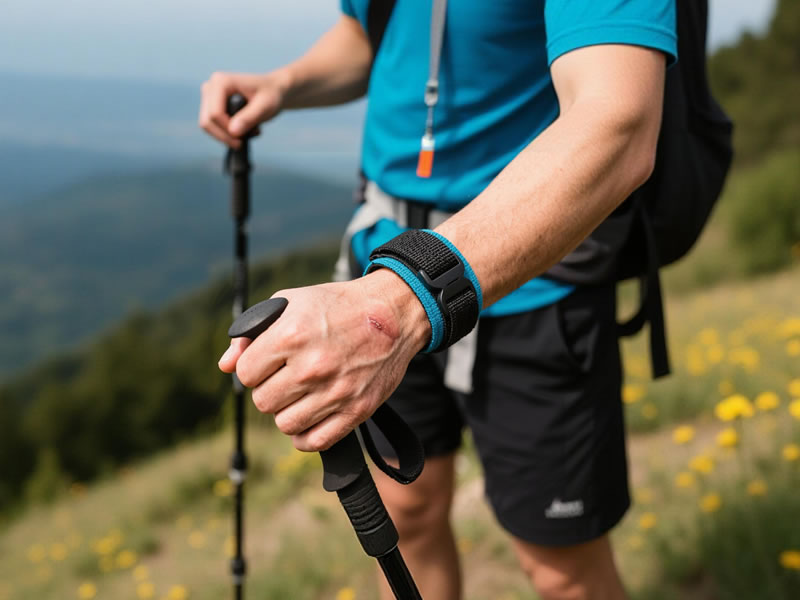
Recommended trekking pole purchase link: https://s.click.aliexpress.com/e/_c4M7OWaN
Understanding the Enemy: Why Do Pole Straps Cause Blisters?
Blisters form due to the combination of three key factors: friction, moisture, and heat. When it comes to pole straps:
- Friction: The constant back-and-forth motion of the strap against your skin creates shear forces that separate the layers of your skin.
- Moisture: Sweat softens your skin, making it more susceptible to damage and increasing friction.
- Heat: The friction process generates heat, further traumatizing the skin and accelerating blister formation.
The unique challenge with pole straps is that the friction occurs in predictable patterns based on your grip technique and strap adjustment.
Master the Technique: Proper Strap Usage is 80% of the Solution
The single most important factor in preventing blisters is using your pole straps correctly. Most hikers make the critical mistake of treating straps like simple handles.
The Correct Method:
- Slide Upward: From below the strap, slide your hand upward through the loop.
- Position the Strap: Let the strap rest across the back of your hand and wrist, not your palm.
- Grip Lightly: Grip the handle with your fingers, but keep pressure minimal. The strap should bear most of your weight through your wrist bones, not your skin.
- Push, Don't Pull: The power should come from pushing down through the strap, not gripping tightly with your hand.
This technique transfers the load from your delicate hand skin to the more durable bones and tissues of your wrist, dramatically reducing friction points.
The Right Fit: Strap Adjustment Makes All the Difference
Even with perfect technique, poorly adjusted straps will still cause problems.
- Snug, Not Tight: Straps should be tight enough to transfer force efficiently but loose enough to allow blood circulation. You should be able to slide one finger comfortably between the strap and your wrist.
- Position Matters: The strap should contact your wrist at the narrowest point, just above the wrist bone. This creates a natural anchor point that minimizes movement.
- Check Frequently: As you hike and your hands swell slightly, you may need to readjust straps throughout the day.
Gear Choices: Selecting Blister-Friendly Equipment
Your equipment choices can either prevent or promote blister formation.
Pole Selection:
- Look for Wide, Padded Straps: Thin, unpadded straps create high-pressure points that quickly lead to blisters.
- Seamless Edges: Check that strap edges are rolled or bonded, not roughly sewn, which creates friction points.
- Quick-Release Buckles: These allow for easy on-and-off without complete readjustment, encouraging you to remove poles frequently and give your hands a break.
Accessories That Help:
- Trekking Gloves: Lightweight hiking gloves provide a protective barrier between your skin and the straps. Look for breathable, moisture-wicking materials with minimal seams in high-contact areas.
- Sports Tape: For known trouble spots, pre-application of sports tape or specialized blister prevention tape can provide a durable second skin.
- Anti-Chafe Products: Balms like BodyGlide or Trail Toes create a protective, low-friction barrier on your skin.
Proactive Maintenance and On-Trail Strategies
Prevention requires ongoing attention during your hikes.
- Take Regular Breaks: Every hour, remove your poles and shake out your hands to restore circulation and reduce heat buildup.
- Rotate Grip Positions: Occasionally vary how you hold the poles, even if slightly, to distribute pressure differently.
- Keep Hands Dry: Use moisture-wicking gloves or occasionally apply antiperspirant to your hands if excessive sweating is an issue.
- Address Hot Spots Immediately: The moment you feel any burning sensation (a "hot spot"), stop and address it with tape, moleskin, or an adjustment. Don't wait until a full blister forms.
Strap Maintenance and Modifications
Sometimes, the straps themselves need attention.
- Clean Regularly: Dirt and salt buildup on straps increases friction. Hand-wash straps with mild soap and water when they become soiled.
- Inspect for Wear: Look for stiff, rough, or frayed sections on your straps that might need replacement.
- Consider Aftermarket Options: If your pole straps are consistently problematic, many companies offer replacement straps with superior padding and ergonomics.
When Prevention Fails: Treating Strap Blisters
Despite your best efforts, blisters can still occur. Here's how to manage them:
- Clean Immediately: Gently clean the area with soap and water or an antiseptic wipe.
- Protect, Don't Pop: Unless the blister is in an unavoidable pressure point, avoid popping it. The fluid provides natural protection and healing.
- Use Proper Dressing: Apply a specialized blister bandage that provides cushioning and maintains a moist healing environment.
- Adjust Technique: If you must continue hiking with a blister, adjust your grip to avoid direct pressure on the affected area.
Building Hand Resilience
Like any part of your body, your hands can adapt to the demands of trekking.
- Gradual Exposure: If you're new to using trekking poles, build up your usage time gradually to allow your skin to toughen.
- Hand Care: Regularly moisturize your hands (but not immediately before hiking) to maintain skin integrity. Tough, healthy skin is more blister-resistant.
Conclusion: Comfort Through Awareness and Technique
Preventing blisters from pole straps isn't about having "tough hands"—it's about understanding the mechanics of friction, mastering proper technique, and making smart equipment choices. By implementing these strategies—particularly the crucial technique of loading weight through your wrist rather than your palm—you can enjoy the substantial benefits of trekking poles without the painful consequence of hand blisters. Remember that prevention is always easier than treatment, so start your next hike with these principles in mind. Your hands will thank you mile after comfortable mile, allowing you to focus on what really matters: the beauty of the trail ahead.




