




Can Walking Poles Damage Trails? The Environmental Impact Explained
The rhythmic tap-tap-tap of trekking poles has become a familiar sound on trails worldwide, but this popular hiking tool has sparked an important environmental debate. As trail networks face increasing pressure from growing outdoor recreation, many hikers wonder: are our walking poles actually harming the very landscapes we love to explore? The answer is nuanced—while poles can cause damage when used improperly, they can also reduce environmental impact when used correctly. Understanding this balance is crucial for every responsible hiker who wants to preserve trails for future generations.
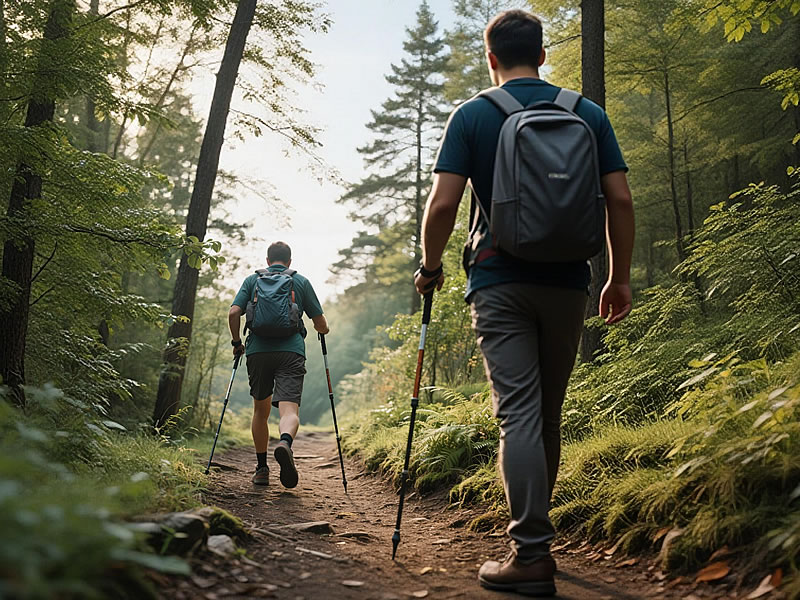
Recommended trekking pole purchase link: https://s.click.aliexpress.com/e/_c4M7OWaN
The Case Against Poles: How Damage Occurs
There are several documented ways that pole use can negatively impact trails:
- Soil Compaction and Erosion: The concentrated pressure from pole tips, particularly when planted aggressively, can create small holes that channel water. On steep slopes, these micro-channels can develop into significant erosion gullies over time.
- Vegetation Damage: Planting poles off-trail to navigate around obstacles or maintain balance can damage fragile trailside plants and their root systems. This "trail widening" effect is particularly problematic in alpine environments where vegetation grows slowly.
- Root Exposure: Repeated pole strikes on the same tree roots crossing trails can strip away protective soil, leaving roots vulnerable to damage and disease.
- Rock Scratches: In areas with significant rock surfaces, particularly sensitive archaeological sites or smooth rock trails, carbide tips can leave permanent scratches and scars.
The Surprising Benefits: How Poles Can Reduce Impact
Despite these concerns, research suggests that proper pole use can actually decrease a hiker's overall environmental footprint:
- Improved Stability Reduces Trail Widening: Hikers with poles are less likely to slip off-trail or take shortcuts around obstacles, preventing the gradual widening that occurs when unstable hikers seek better footing.
- Reduced Soil Impact from Falls: By preventing slips and falls, poles minimize the sudden, concentrated impacts that occur when hikers lose balance and scramble to recover, often damaging trail edges.
- Erosion Control on Steep Descents: On downhill sections, poles allow hikers to control their descent speed without digging in their heels, which is a major cause of trail erosion.
- Stream Crossing Preservation: Using poles for stability when crossing streams prevents hikers from seeking alternative crossing points, which can damage stream banks and aquatic habitats.
The Scientific Perspective: What Research Reveals
Studies on trail impact have yielded important insights:
- A Appalachian Trail Conservancy study found that while individual pole impacts are minimal, cumulative effects become significant on popular trails
- Research in Rocky Mountain National Park demonstrated that poles reduce lower body fatigue, allowing hikers to maintain better form and stay on designated trails
- European studies have shown that rubber tip covers can reduce visible trail damage by up to 80% on certain surfaces
Proper Pole Etiquette: Minimizing Your Impact
The key to responsible pole use lies in technique and awareness:
- Use Rubber Tips on Hard Surfaces: On packed trails, rock surfaces, and in sensitive areas, rubber tip covers eliminate metal-on-rock contact and reduce soil disturbance.
- Mind Your Planting Force: Avoid aggressive "stabbing" motions. Plant poles gently, using them primarily for balance rather than propulsion on delicate terrain.
- Stay on Designated Trails: Never plant poles off-trail to navigate around obstacles. This contributes to trail widening and damages fragile ecosystems.
- Avoid Root Strikes: Be conscious of exposed roots and adjust your pole placement to avoid repeatedly striking them.
- Skip the Pole Drag: Dragging poles creates continuous erosion channels. Practice clean planting and lifting.
Special Considerations for Different Environments
Alpine and Tundra Regions:
- These fragile environments are most vulnerable to pole damage
- Use extra caution and consider foregoing poles in extremely sensitive areas
- Stick to durable surfaces like rock when possible
Desert Environments:
- Cryptobiotic soil crusts are extremely vulnerable to pole damage
- These living soil communities take decades to recover from single impacts
Muddy Trails:
- In muddy conditions, pole holes can deepen and prolong trail wetness
- Consider stepping to the side of mud holes rather than using poles for balance through them
Archaeological Sites:
- Always use rubber tips near historical or archaeological features
- Follow specific site guidelines, which may prohibit pole use entirely
The Bigger Picture: Contextualizing Pole Impact
When evaluating pole damage, it's important to maintain perspective:
- Foot traffic remains the primary cause of trail erosion and damage
- Poor trail design and inadequate maintenance contribute more to degradation than pole use
- The stabilizing benefits of poles may prevent more significant damage from falls and missteps
Manufacturer Responsibility and Innovation
The outdoor industry has responded to these concerns with several improvements:
- Removable rubber tips now standard on most quality poles
- Softer tip materials being developed for reduced impact
- Educational materials included with pole purchases about responsible use
- Basket design improvements to minimize vegetation snagging
Trail Maintenance Perspectives
We spoke with several trail maintenance organizations, and their consensus reveals:
- Most consider poles minimally damaging compared to other issues
- Many appreciate that pole users tend to cause less trail widening
- The primary complaint involves users who drag poles, creating erosion channels
- All recommend rubber tips for regular use on maintained trails
Conclusion: Mindful Use is the Solution
Walking poles are not inherently damaging to trails—the problem lies in how we use them. Like any tool, poles can cause harm when used carelessly but provide net benefits when employed thoughtfully. The responsible hiker recognizes that our enjoyment of natural spaces comes with a responsibility to protect them.
By adopting simple practices like using rubber tips, avoiding aggressive planting, and staying mindful of our surroundings, we can continue to enjoy the many benefits of trekking poles while minimizing our environmental footprint. The next time you plant your pole, remember that each conscious placement is not just about your stability—it's a small vote for the preservation of the trails we all cherish. The path forward lies not in abandoning useful equipment, but in developing the awareness to use it in harmony with the natural world.




