




Why Do My Walking Poles Sink in Mud? The Science of Soft Ground and Solutions
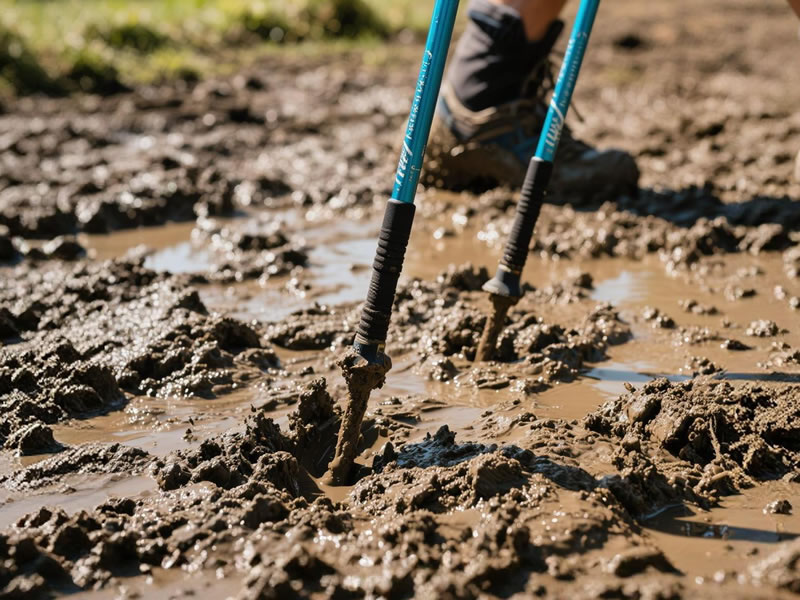
There's nothing more frustrating than planting your walking pole for stability on a muddy trail, only to watch it sink deep into the muck, leaving you off-balance and searching for solid ground. This common experience isn't a design flaw in your poles—it's a fundamental principle of physics that affects all narrow objects in soft, saturated terrain. Understanding why this happens is the first step toward adapting your equipment and technique to maintain stability even in the most challenging muddy conditions. This comprehensive guide will explore the science behind sinking poles and provide practical solutions to keep you securely supported.
Recommended trekking pole purchase link: https://s.click.aliexpress.com/e/_c4M7OWaN
The Physics of Pressure: Why Narrow Objects Sink
The phenomenon of sinking poles boils down to one key physical principle: pressure. Pressure equals force divided by area (P = F/A). When you plant your pole and lean your weight onto it, you're applying considerable force through the very small surface area of the pole tip. Standard carbide tips measure only about 0.5 to 1 centimeter in diameter, creating extremely high pressure at the point of contact.
Think of it this way: the same principle explains why snowshoes prevent you from sinking into deep snow—they distribute your weight over a much larger area, dramatically reducing pressure. Your pole tips are essentially the opposite of snowshoes—they concentrate force rather than dispersing it. In soft, waterlogged soil, this concentrated pressure easily pushes aside the saturated particles, allowing the pole to sink until it reaches more resistant material or the increasing surface area along the shaft creates enough resistance to stop it.
The Role of Soil Composition and Moisture Content
Not all mud is created equal when it comes to pole performance:
- Saturated Clay Soils: These dense, sticky soils can initially resist penetration but become incredibly slick once the pole breaks through the surface tension, often leading to sudden, deep sinking.
- Sandy or Loamy Soils: These granular soils offer little cohesion, allowing poles to sink quickly as particles easily move aside.
- Peat and Organic Soils: Common in boggy areas, these spongy materials may not offer solid resistance at any depth, causing poles to sink continuously.
- Variable Conditions: Many trails feature layered soils where a firm surface hides deeper mud, creating the perfect conditions for unexpected sinking.
Equipment Solutions: Maximizing Surface Area
The most effective way to prevent sinking is to increase the surface area that contacts the ground:
- Mud Baskets/Bogs: These specialized baskets feature wider diameters (typically 4-6 inches) and sometimes a concave shape that acts like a small platform. Unlike standard trekking baskets designed primarily to prevent snow sinking, mud baskets are optimized for wet earth conditions.
- Basket Size Matters: While standard trekking baskets measure 2-3 inches and snow baskets 5+ inches, mud-specific baskets strike a balance—large enough to provide floatation but not so large that they snag on vegetation.
- Alternative Tip Designs: Some manufacturers offer wider "mud tips" that slightly increase surface area while maintaining penetration capability for mixed conditions.
- Homemade Solutions: In a pinch, some hikers attach makeshift platforms using sturdy leaves, bark, or even their camp cups secured with cordage beneath their existing baskets.
Technique Adjustments for Muddy Conditions
Even with the right equipment, technique adaptations are crucial:
- The "Quick Plant and Push": Rather than a slow, deliberate placement, use a quicker planting motion followed by an immediate push-off. This reduces the time the pole has to sink before providing support.
- Shallower Angles: Plant your poles at a shallower angle relative to the ground. This utilizes more of the shaft's surface area against the soil rather than just the tip.
- Multiple Light Touches: Instead of putting full weight on a single pole plant, use a series of lighter, exploratory touches to find firmer ground before committing your weight.
- Rhythm Modification: Adjust your normal pole rhythm to accommodate the different timing needed in muddy conditions, often taking quicker, shorter steps with more rapid pole placements.
Reading the Terrain: Predicting Sinking Zones
Experienced hikers develop an eye for identifying potential sinking areas:
- Vegetation Clues: Areas with certain water-loving plants often indicate saturated ground beneath.
- Animal Tracks: Notice where deer or other animals have sunk deeply—their hoofprints can reveal particularly soft areas.
- Surface Texture: Shiny, smooth mud surfaces often indicate higher water content and deeper softness.
- Previous Pole Holes: Existing holes from previous hikers' poles clearly identify problematic spots.
When Sinking is Inevitable: Damage Control
Sometimes, no amount of technique or equipment can prevent sinking. In these situations:
- Don't Fight It: If a pole sinks deeply, don't yank it straight up, which can damage the mechanism. Instead, gently rotate it while pulling to break the suction.
- Clean Immediately: Always clean mud from your poles and baskets immediately after encountering muddy sections to prevent buildup that adds weight and compromises function.
- Inspect Regularly: Mud can work its way into locking mechanisms and internal shafts. After muddy hikes, disassemble and clean your poles thoroughly.
The Trade-Off: Mud Performance vs. General Use
It's important to recognize that equipment optimized for mud involves compromises:
- Larger baskets may snag more easily on vegetation and rocks
- Specialized techniques for mud may feel unnatural on mixed terrain
- Carrying multiple basket types adds weight and complexity
For hikers who frequently encounter muddy conditions, the trade-offs are usually worthwhile. For those facing occasional mud, technique adjustments may suffice without equipment changes.
Conclusion: Embracing Adaptability
Walking poles sink in mud not because they're flawed, but because they're encountering conditions that defy their standard design parameters. By understanding the physics behind why poles sink—and implementing strategic equipment choices and technique adjustments—you can transform your experience in muddy terrain from frustrating to manageable. The solution lies not in fighting the fundamental properties of soft ground, but in adapting your approach to work with them. Whether you invest in specialized mud baskets or simply refine your technique, you'll find that even the deepest mud doesn't have to compromise your stability or your enjoyment of the trail. Remember that the most effective tool is often knowledge itself—understanding why your poles behave as they do empowers you to adapt and continue forward, no matter what the trail conditions present.




