




How to Walk on Pavement with Trekking Poles: A Complete Urban Guide
Many hikers view trekking poles as exclusively trail-based equipment, but these versatile tools can be equally valuable for urban walking, fitness training, and pavement pounding. However, transitioning from natural trails to hard surfaces requires significant adjustments in both equipment and technique. Using poles incorrectly on pavement can lead to excessive noise, premature wear, and even injury. This comprehensive guide will walk you through everything you need to know about safely and effectively using trekking poles on paved surfaces, transforming your city walks into full-body workouts while protecting both your equipment and your joints.
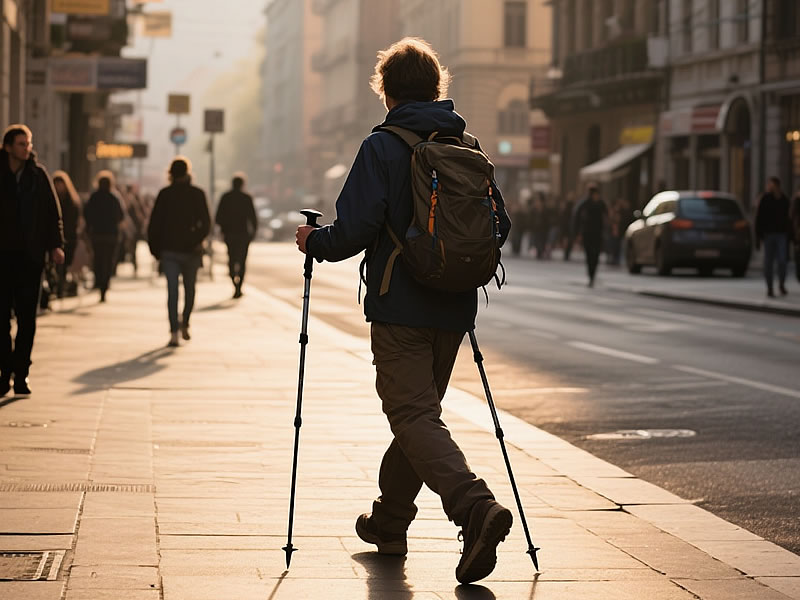
Recommended trekking pole purchase link: https://s.click.aliexpress.com/e/_c4M7OWaN
Essential Equipment Modifications for Pavement
Before taking your first steps on pavement, make these crucial equipment adjustments:
- Rubber Tips Are Non-Negotiable: Always use rubber tip protectors (often called "asphalt feet" or "pavement paddles"). These provide:Superior Grip: Rubber creates friction against smooth surfaces where metal tips would slip dangerouslyNoise Reduction: Eliminates the distracting "click-clack" with each stepSurface Protection: Prevents damage to pavement and indoor floorsTip Preservation: Protects your expensive carbide tips from premature wear
- Pole Length Adjustment: Most hikers benefit from slightly shorter poles on flat, hard surfaces compared to uneven trails. A good starting point is adjusting so your elbow forms a 90-degree angle when the tip touches the ground beside you.
- Basket Removal: Remove snow and trekking baskets, as these can catch on uneven pavement and create tripping hazards.
Proper Walking Technique for Paved Surfaces
Mastering these techniques will ensure efficient, comfortable pole use:
- Softer Planting Motion: Unlike the firm planting used on trails, pavement requires a gentler touch. Think of guiding the poles to the ground rather than stabbing it.
- Natural Arm Swing: Maintain a natural arm swing opposite your leg movement (right pole with left foot). The motion should originate from your shoulders, not your elbows.
- Modified Grip Pressure: Hold the grips firmly enough to maintain control but loosely enough to avoid tension in your hands and forearms. Let the wrist straps bear most of the weight.
- Shorter Stride, Quicker Cadence: A slightly shorter stride with a quicker pole rhythm often works better on pavement than the longer, more powerful movements used on trails.
The Significant Benefits of Pavement Pole Walking
Understanding these advantages will motivate you to incorporate poles into your urban routine:
- Reduced Joint Impact: Studies show pole use can decrease impact forces on knees and hips by up to 25%, making pavement walking much more comfortable, especially for those with joint concerns.
- Increased Calorie Burn: Using poles transforms a lower-body activity into a full-body workout, increasing energy expenditure by 20-40% compared to regular walking at the same speed.
- Improved Posture: Poles encourage an upright stance, counteracting the forward head posture common among urban dwellers and smartphone users.
- Enhanced Stability: Poles provide valuable support on slippery surfaces, uneven sidewalks, and when navigating curbs and stairs.
- Cardiovascular Benefits: The increased muscle engagement elevates your heart rate, providing a better cardiovascular workout than standard walking.
Urban-Specific Safety Considerations
Pavement presents unique challenges that require special attention:
- Awareness of Obstacles: Be mindful of sidewalk cracks, expansion joints, and uneven surfaces that can catch pole tips.
- Crowd Navigation: In busy areas, shorten your pole swing and keep poles closer to your body to avoid interfering with other pedestrians.
- Traffic Awareness: Be particularly careful when walking near roads. Ensure your pole movements don't extend into traffic lanes.
- Stair Technique: On stairs, place poles on the step below you for stability, using them much like you would a handrail.
Common Mistakes and How to Avoid Them
- Overstriding: Taking too-long steps with poles can cause imbalance and reduce the effectiveness of your workout.
- Death Grip: Holding the grips too tightly leads to rapid forearm fatigue and potential strain.
- Improper Tip Placement: Planting poles too far forward or outward reduces stability and increases slipping risk.
- Neglecting Rubber Tip Wear: Check rubber tips regularly for wear and replace them when the tread pattern becomes smooth.
Training Applications and Workout Variations
Transform ordinary walks into targeted workouts:
- Interval Training: Alternate between periods of normal walking and power walking with more vigorous pole use.
- Hill Repeats: Find a gradual incline and use your poles to powerfully push yourself up, then carefully control your descent.
- Endurance Building: Use poles for longer urban hikes to build stamina while reducing cumulative joint stress.
- Posture-Focused Walks: Concentrate on maintaining perfect posture throughout your walk, using the poles as a biofeedback tool.
Maintenance Tips for Urban Pole Use
Pavement walking accelerates certain types of wear:
- Weekly Rubber Tip Inspection: Check for uneven wear, cracking, or smoothness
- Shaft Cleaning: Wipe down poles after urban use to remove pollution residue and road grime
- Mechanism Checks: Pavement vibrations can loosen locking mechanisms over time
- Storage: Keep poles clean and dry, especially if you've walked on wet or salted pavement
Conclusion: Embracing Urban Trekking
Walking with trekking poles on pavement isn't just an adaptation—it's an opportunity to extend the benefits of pole walking to your daily life. Whether you're training for an upcoming hike, seeking a more effective fitness routine, or simply looking to make your city walks more comfortable and joint-friendly, pavement pole walking delivers remarkable benefits. By equipping your poles with rubber tips, mastering the modified technique, and staying mindful of urban hazards, you'll discover a new dimension to your walking routine. The rhythm of poles on pavement might be different from their beat on the trail, but it's equally rewarding—transforming ordinary sidewalks into pathways toward better health, fitness, and connection to your body's movement.




