




Walking Poles for Plus-Sized Hikers: The Ultimate Guide to Safe and Comfortable Trekking
The hiking world is becoming increasingly inclusive, welcoming adventurers of all body types to experience the joys of trail exploration. For plus-sized hikers, finding equipment that provides adequate support and durability can be challenging, yet choosing the right walking poles can dramatically enhance both safety and enjoyment on the trail. Properly selected trekking poles don't just offer stability—they redistribute weight, reduce joint impact, and build confidence across diverse terrain. This comprehensive guide addresses the specific considerations for plus-sized hikers when selecting and using walking poles, ensuring your outdoor experiences are supported by equipment designed for your needs.
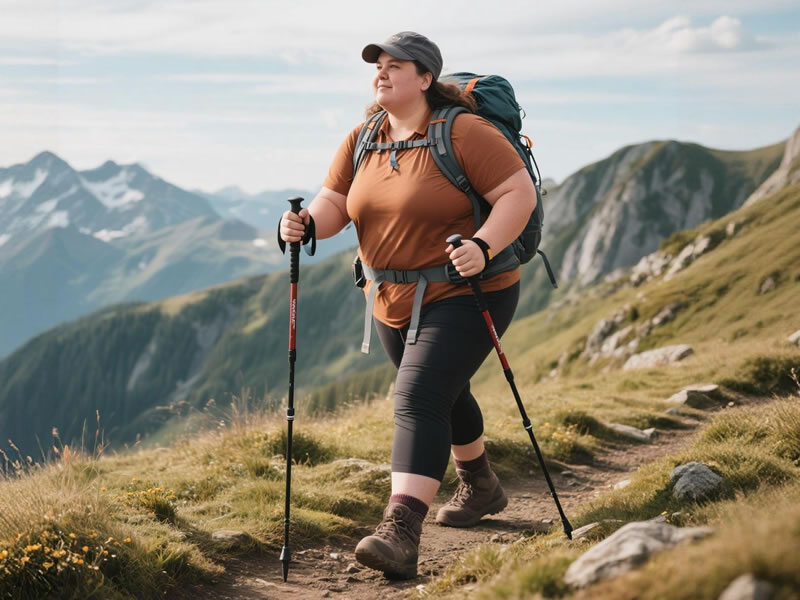
Recommended trekking pole purchase link: https://s.click.aliexpress.com/e/_c4M7OWaN
Understanding the Unique Benefits for Plus-Sized Hikers
Walking poles offer particular advantages that address the specific needs of larger-bodied hikers:
Enhanced Stability and Balance:
Plus-sized hikers often carry weight differently, which can affect center of gravity and balance on uneven terrain. Poles provide additional contact points with the ground, creating a more stable platform. Research indicates that using trekking poles can improve balance by up to 30% on challenging surfaces, significantly reducing fall risk.
Joint Impact Reduction:
Knees and hips bear substantial forces during hiking—forces that multiply with body weight. Quality trekking poles can reduce impact on these joints by 25-30% during descents, where forces can exceed twice your body weight. This protection is crucial for preventing pain and preserving joint health over miles of trail.
Weight Distribution and Endurance:
By engaging your upper body, poles distribute workload across more muscle groups. This reduces fatigue in your legs, potentially extending your hiking range and allowing you to enjoy longer adventures without premature exhaustion.
Confidence Building:
The additional support provided by poles builds confidence on technical sections, stream crossings, and uncertain terrain. This mental security often allows hikers to attempt more challenging trails and develop their skills more rapidly.
Critical Selection Criteria for Durability and Performance
Weight Capacity and Structural Integrity:
Not all poles are created equal when it comes to supporting heavier loads. Key considerations include:
- Manufacturer's Weight Rating: Seek poles explicitly rated for higher capacities (typically 300+ pounds). Avoid models that don't specify weight limits.
- Material Strength: Aircraft-grade aluminum (7075 or 7095 series) offers the best balance of strength and weight for most plus-sized hikers. While carbon fiber is lighter, its impact resistance may be insufficient for some users.
- Section Design: Three-section poles typically distribute stress more effectively than two-section designs. Look for reinforced joints and thicker wall construction in critical areas.
Locking Mechanism Reliability:
The locking system represents a potential failure point under increased loads:
- External Lever Locks: Generally provide more consistent clamping force and are easier to adjust under load than twist mechanisms.
- Quality Indicators: Look for robust metal components rather than plastic, secure rivets, and smooth operation without sticking or slipping.
- Field Testing: Before purchase, extend the poles to their maximum length and apply gentle pressure to check for slippage or movement.
Grip and Strap Comfort:
Larger hands and different grip dynamics require specific features:
- Generous Grip Circumference: Seek diameters of 4.25 inches or more to prevent finger overlap and distribute pressure.
- Strategic Padding: Cushioned grips reduce pressure points and prevent numbness during extended use.
- Adjustable Straps: Wide, padded straps that accommodate larger wrists without chafing are essential for comfort.
Recommended Pole Models for Plus-Sized Hikers
Lighten Up Trail Guardian Series:
Specifically engineered for larger hikers, this series features:
- 350-pound weight rating with reinforced 16mm lower sections
- Oversized lever locks with dual-cam mechanisms for secure locking
- Extended ergonomic grips with contouring for different hand positions
- Additional shock absorption without compromising durability
Black Diamond Expedition Trail Pro:
While not specifically marketed to plus-sized hikers, these poles offer:
- Robust construction tested beyond standard weight limits
- Secure FlickLock® Pro mechanisms that maintain setting under heavy load
- Comfortable grippy rubber tops with extended foam sections
- Replaceable components for extended product life
Komperdell Power Lock Alpine:
Austrian engineering delivers exceptional durability:
- 7001 aluminum alloy with double-walled construction at stress points
- Power Lock system that tightens under pressure rather than slipping
- Contoured cork grips that mold to hand shape over time
- Comprehensive warranty that doesn't exclude based on user weight
Proper Technique for Maximum Benefit and Safety
Optimal Length Adjustment:
The standard 90-degree elbow rule applies, but plus-sized hikers may benefit from adjustments:
- Uphill Sections: Shorten poles 5-10cm to maintain proper leverage without overreaching
- Downhill Sections: Lengthen poles 5-10cm for better control and reduced joint impact
- Sidehilling: Consider asymmetric adjustment when traversing slopes
Effective Planting and Weight Transfer:
- Confident Placement: Plant poles firmly with each step, ensuring tips grip before transferring weight
- Rhythmic Motion: Develop a natural opposite arm/leg rhythm rather than "double-poling" simultaneously
- Controlled Descent: Use poles to control speed downhill rather than braking with your knees
Strap Utilization:
Proper use of wrist straps transfers weight to your skeleton rather than relying on grip strength:
- Slide hand upward through the strap from below
- Let the strap cradle your hand while maintaining a relaxed grip
- Adjust straps to prevent constriction while ensuring efficient weight transfer
Weight Distribution and Pack Considerations
Plus-sized hikers often carry different gear requirements and potentially heavier packs:
- Test poles with your typical day-hiking or backpacking load
- Consider that pack weight affects balance and pole effectiveness
- Ensure your poles provide sufficient stability under full pack weight
Durability Testing and Maintenance
Pre-Purchase Verification:
- Research independent testing and user reviews specifically from larger hikers
- Check manufacturer warranties for weight-related exclusions
- When possible, test poles in-store with your full body weight
Routine Maintenance:
- Regularly inspect locking mechanisms for wear or deformation
- Check for hairline cracks, particularly near joints and adjustment points
- Clean poles after each use to prevent grit from compromising mechanisms
- Store partially extended to relieve constant pressure on locks
Building Confidence Through Progressive Training
Starting on Friendly Terrain:
Begin with well-maintained trails to develop pole technique without the pressure of technical challenges. Focus on establishing rhythm and learning to trust your poles in low-risk environments.
Gradually Increasing Difficulty:
As technique improves, progressively introduce more challenging terrain:
- Gentle slopes before steep inclines
- Firm surfaces before loose gravel or mud
- Dry conditions before wet or icy trails
Addressing Common Concerns
Social Comfort:
Many plus-sized hitters feel self-conscious about using "assistive devices." Remember that trekking poles are standard equipment for hikers of all sizes and abilities, used by Olympic athletes and weekend walkers alike.
Finding Community:
Seek out body-positive hiking groups where you can learn from experienced plus-sized hikers who have already navigated equipment selection challenges.
Accessories for Enhanced Performance
Customization Options:
- Wider Baskets: Provide better flotation in soft conditions like mud or snow
- Replacement Tips: Carbide tips offer superior durability on rocky terrain
- Grip Add-ons: Neoprene sleeves can increase circumference and cushioning
Conclusion: Empowerment Through Proper Equipment
The right walking poles can transform your hiking experience from potentially intimidating to genuinely empowering. By selecting poles designed to support your body weight and learning to use them effectively, you open up a world of outdoor possibilities with reduced joint impact and enhanced stability. Remember that the hiking community is increasingly diverse, and manufacturers are slowly recognizing the need for equipment that serves all body types.
Your journey toward more comfortable, confident hiking begins with acknowledging your specific needs and selecting equipment accordingly. Don't compromise on durability or proper fit—your safety and enjoyment deserve poles that support your adventures without limitations. The trails await, and with the right poles in hand, you're equipped to explore them on your terms, building strength, confidence, and unforgettable experiences with every step.




